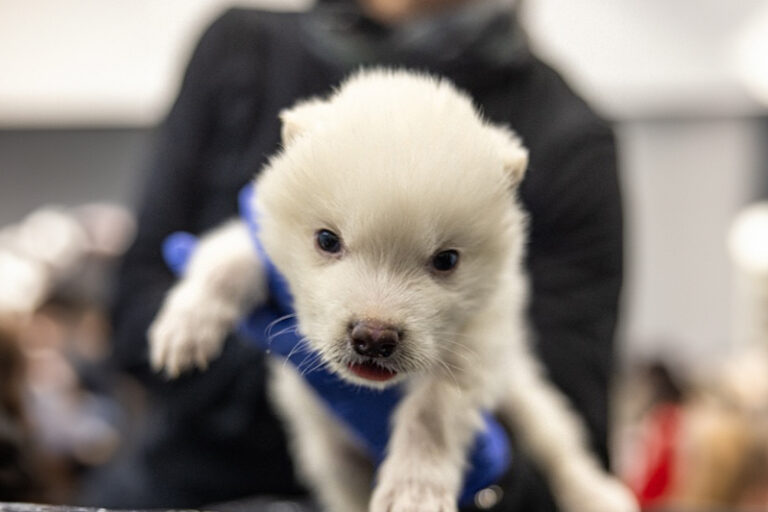
De-Extinction Breakthrough: Dire Wolf Pups Born Through Gene Editing
Diplomacy
2026年7月25日
5
Mongabay Indonesia
Relations
🇮🇩Indonesia🇺🇸United States

General articles are free for 24 hours after publish.

De-Extinction Breakthrough: Dire Wolf Pups Born Through Gene Editing

Share
AI Summary

A US-based biotech company announced the birth of three pups that have had their genomes edited to express traits of the extinct dire wolf. This marks a significant step in the field of de-extinction.

Colossal Biosciences, a US-based biotechnology company, has announced the birth of three pups named Romulus, Remus, and Khaleesi, which exhibit traits of the dire wolf (Canis dirus), an apex predator believed to have gone extinct approximately 13,000 years ago. This development is being hailed as a significant step in the field of de-extinction. The scientific team utilized DNA extracted from a 13,000-year-old dire wolf tooth and a 72,000-year-old skull to study the ancient predator's genetic characteristics. This information was then used to modify the genome of the modern gray wolf using CRISPR gene-editing technology. The resulting engineered embryos were implanted into domestic dogs, which served as surrogate mothers, leading to the birth of the pups. It is important to note that these pups are not genetically pure dire wolves. Instead, they are gray wolves whose genomes have been edited to express certain physical characteristics associated with the ancient predator. Dire wolves are estimated to have been comparable in size to the largest modern gray wolves, but with a more robust build and weighing approximately 25 percent more, with an average weight of 50–68 kilograms and a shoulder height of about 0.8–1 meter. Their powerful jaws and large teeth, coupled with shorter legs, made them well-suited for tackling large prey. As hypercarnivores, more than 70 percent of their diet likely consisted of meat. Dire wolves probably hunted ancient horses and bison, and scavenged carcasses and bones when food was scarce. The discovery of numerous fossils at a single location also suggests they may have hunted in packs. Their dependence on megafauna is believed to have contributed to their extinction. As climate change led to the disappearance of many large animals, they faced competition from the more flexible gray wolf. While this technology opens up possibilities for reviving extinct species, it also raises ethical questions and concerns about potential impacts on existing ecosystems. Source: Mongabay Indonesia

0

Original source

Mongabay Indonesia

原文を読む