Philippines Mandates Lower Digital Transfer Fees Starting July 4
Business
2026年7月3日
5
Rappler Business

Philippines Mandates Lower Digital Transfer Fees Starting July 4

AI サマリー

The Bangko Sentral ng Pilipinas (BSP) has mandated banks and e-wallet operators to lower digital transfer fees by July 4, aiming to boost digital payment adoption across the country.

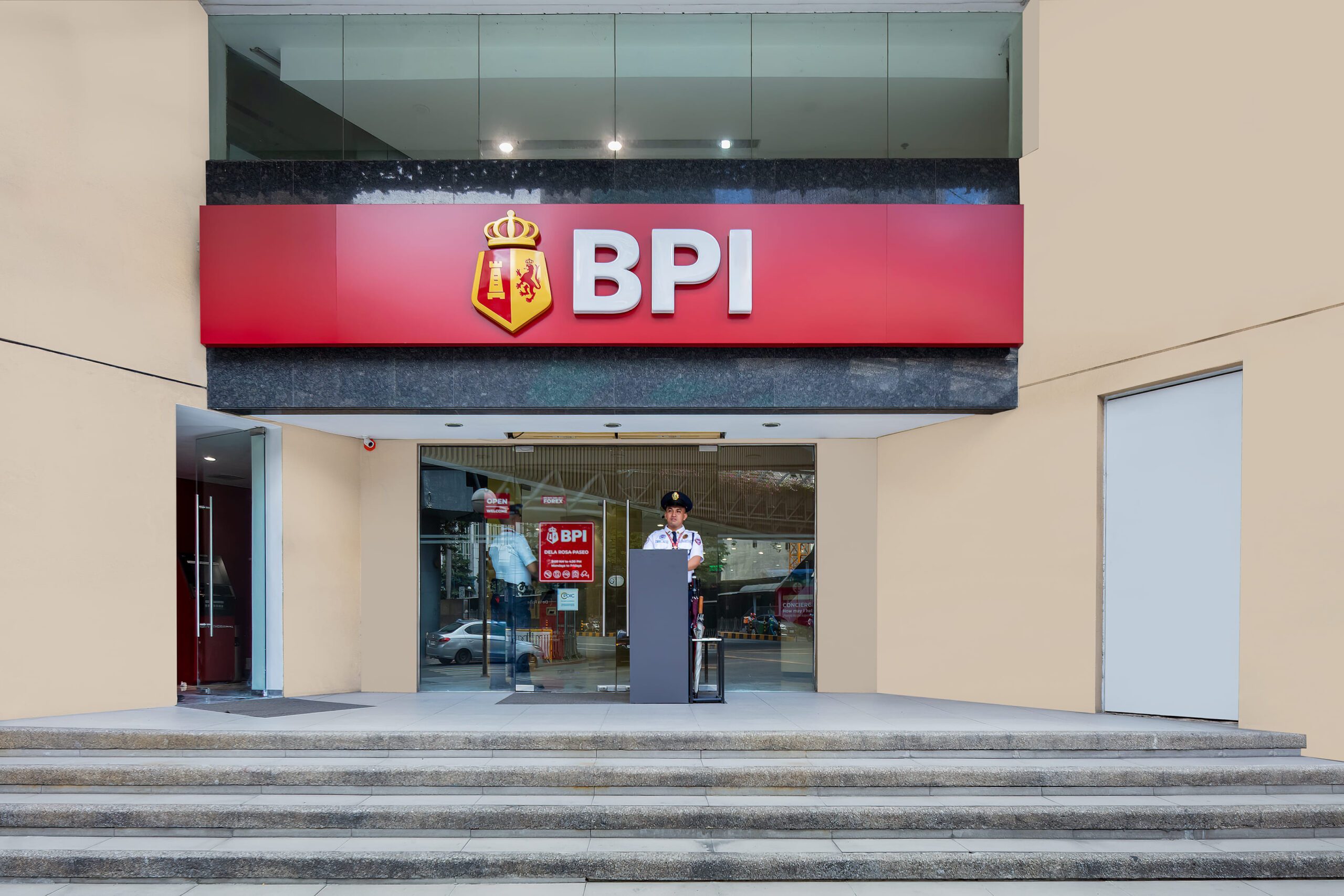
MANILA, Philippines – Banks, e-wallet operators, and other supervised financial institutions have until Saturday, July 4, to comply with the Bangko Sentral ng Pilipinas’ (BSP) new rules meant to bring down digital transfer fees, a high-ranking central bank official said. BSP Deputy Governor Mamerto Tangonan said banks and other financial institutions covered by Circular No. 1238 are expected to adjust their electronic fund transfer fees once the new regulation takes effect on July 4. “Tomorrow, the new policy takes effect – Circular 1238. We anticipate, and we expect, the payment service providers to comply,” he said at the sidelines of a BSP book launch on Friday, July 3. The BSP official said failure to comply could lead to enforcement action, although he described the initial steps as not immediately punitive. “First, there’s a friendly reminder. And then, there’s another reminder, less friendly,” Tangonan said when asked what enforcement action would mean. Some financial institutions have already moved to lower or eliminate fees, including Landbank, BPI, and RCBC. The new rules come after years of consumer complaints over digital transfer fees, which can range from around P10 to P25 and upward, depending on the bank or e-wallet. The BSP had previously imposed a moratorium on fee increases during the pandemic, but has now shifted to a framework that allows fees to move only if institutions can justify them. (READ: Are digital payment fees too high? Even Dutch Queen Máxima seems to think so) Under Circular No. 1238, BSP-supervised financial institutions must adopt a “reasonable and fair market-based pricing mechanism” for electronic payment transactions. The rule covers not only traditional banks, but also BSP-supervised payment providers and e-wallet operators such as GCash and Maya. Must Read BPI to make InstaPay, PESONet transfers free starting July 1. Will other banks follow? How will fees go down? The most important part for consumers is the rule on the difference between same-bank and interbank transfers. Same-bank transfers are called “on-us” transactions. These happen when both the sender and recipient use accounts in the same institution, such as BPI to BPI, BDO to BDO, or GCash to GCash. Interbank transfers are called “off-us” transactions, where the sender and recipient use accounts held at different institutions. Many on-us transfers are already free. The BSP’s point is that off-us transfers should not be priced as if they carry an entirely different cost structure. Tangonan said the main difference between on-us and off-us transfers should be the switch fee, or the cost paid to the network that processes the interbank transaction. “Bank A to Bank A, free. And then if you want to maintain that free Bank A to Bank A, free, when you do Bank A to Bank B, it should be [just] plus switch,” Tangonan said. For InstaPay transfers, the switch fee is around P1.50. This means that following the new rules, the difference between on-us and off-us transactions should only be around P1.50. “So all we say is that whatever you charge, the price of your off-us transaction must be the same as your on-us [or] cannot be more than your on-us price plus the switch fee. That’s all it says,” he added. Put simply, the BSP does not want one type of transfer subsidizing another. “That’s what you want to remove,” Tangonan said. “It’s more fair if you don’t make one transaction pay for another. So if you want to charge a fee, you allocate it to all transactions. That’s the essence of the situation.” Tangonan said the lower-fee push is meant to encourage more Filipinos to use digital payments. “The outcome there is that more consumers will use digital payments,” Tangonan said. “Because one of the barriers is, they say, high fees. So if you remove that, more customers will use it.” Higher merchant acceptance The BSP is also trying to solve the other side of the payments equation: merchant acceptance. Tangonan said payments are a “two-sided market,” where it is not enough for consumers to have digital wallets or bank accounts if they have few places to use them. “When you increase the consumer usage, you have to increase the number of merchants where they can use it. Otherwise, all of us have a balance, but there’s no one to pay to,” he said. To help bring more small businesses into the digital payments system, Circular No. 1238 also eases onboarding requirements for potentially low-risk merchants, such as sari-sari (general merchandise) stores, beauty shops, and bakeries. Tangonan said a national ID or other identity document may be enough for such merchants, instead of heavier documentary requirements like business permits. “The aim there is more merchants will come on board and you now have more consumers and more merchants, and more merchants will encourage more consumers, more consumers will encourage more merchants, and it becomes a virtuous cycle,” Tangonan said. – Rappler.com

多角的分析

経済的影響

フィリピン中央銀行(BSP)によるデジタル送金手数料引き下げ命令は、国内の金融包摂を促進し、経済活動を活性化させるための重要な一歩です。手数料の低下は、特に低所得者層や地方住民にとって、デジタル決済の利用障壁を低減させ、より多くの人々が金融サービスにアクセスできるようになります。これは、個人間の送金だけでなく、小規模事業者による決済受け入れの拡大にも繋がり、結果として国内消費の増加や、より効率的なサプライチェーンの構築に寄与すると考えられます。過去には、高額な手数料がデジタル化の進展を妨げる要因となっていましたが、今回の措置はその構造的な問題を是正するものです。

投資家心理

今回のBSPによる手数料引き下げ命令は、フィンテック企業や電子マネー事業者にとって、短期的な収益構造に影響を与える可能性があります。しかし、長期的には、デジタル決済の普及率向上と利用者数の増加という形で、市場全体の拡大をもたらすと考えられます。特に、加盟店開拓や新規顧客獲得における競争が激化する中で、手数料の低さは新規参入者や既存プレイヤーにとって、顧客基盤を拡大するための強力な武器となり得ます。投資家は、手数料収入への依存度が高い企業よりも、付加価値サービスやデータ活用による収益化を目指す企業の将来性に注目する可能性があります。

社会的影響

デジタル送金手数料の引き下げは、フィリピン国民、特にこれまで高額な手数料のためにデジタル決済を敬遠していた層にとって、直接的な恩恵となります。例えば、海外で働く家族からの送金を受け取る人々や、地方で小規模な商売を営む人々は、送金コストの削減により、より多くの手元資金を確保できるようになります。また、サリサリ(雑貨店)のような小規模事業者がデジタル決済を受け入れやすくなることで、地域経済における取引の利便性が向上し、より広範な人々がデジタル経済に参加する機会を得られます。これは、マニラ首都圏だけでなく、地方都市においても、金融アクセスの格差を是正し、経済的自立を支援する上で重要な意味を持ちます。

市民の声

国民としては、送金手数料が安くなるのは非常にありがたいことです。特に、家族が海外で働いている場合や、遠方に住む親戚にお金を送る際に、手数料の負担が軽くなるのは生活に直結します。これまで、銀行間の送金や電子マネーでの支払いに手数料がかかるのがネックでしたが、これが下がれば、もっと気軽に使えるようになります。また、お店でカードやスマホで支払える場所が増えるのも嬉しいです。サリサリのような小さなお店でも使えるようになれば、現金を持ち歩く必要が減って安心です。

背景・歴史的文脈

フィリピンにおけるデジタル決済の普及は、国民の約7割が銀行口座を持たないという金融包摂の課題と密接に関連しています。長年、送金手数料の高さがデジタル決済利用の大きな障壁とされてきました。BSPは、2020年以降、パンデミックを機にデジタル化を加速させるため、手数料引き上げの猶予措置を講じてきましたが、根本的な手数料構造の是正には至っていませんでした。今回の通達1238号は、2022年12月に発表された「National Payment Systems Act」の施行に向けた動きの一環であり、より安全で効率的、かつ包括的な決済システム構築を目指すフィリピン政府の意欲を示しています。

原文ソース

Rappler Business

原文を読む