Cambodia Unveils Environmental Diplomacy Strategy 2026-2030 to Boost International Cooperation
Environment
2026年7月8日
3
Kampuchea Thmey English

Cambodia Unveils Environmental Diplomacy Strategy 2026-2030 to Boost International Cooperation

AI サマリー

Cambodia has launched its Environmental Diplomacy Strategy (CEDS) for 2026–2030, a framework designed to strengthen international cooperation and address global climate challenges. Key priorities include forest conservation, clean energy transition, and climate-smart agriculture.

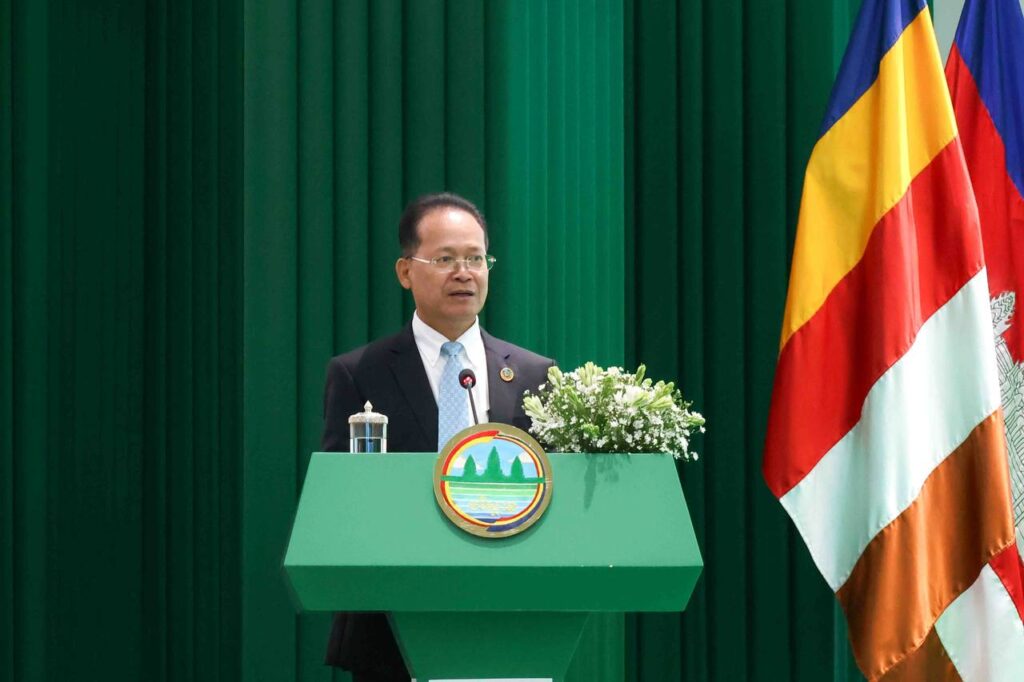
PHNOM PENH, July 8, 2026 (KPT) – Cambodia has launched its Environmental Diplomacy Strategy (CEDS) for 2026–2030, a national framework aimed at strengthening international cooperation and tackling global climate challenges. The strategy was unveiled on July 6 at the Ministry of Environment in Phnom Penh under the chairmanship of Environment Minister Eang Sophalleth. The ceremony was attended by lawmakers, senior government officials, representatives of the United Nations Development Programme (UNDP), international organisations, development partners and other guests. Sophalleth said the initiative comes at a critical time as the world faces increasingly complex environmental threats that demand closer cooperation, stronger trust among nations and collective action. He described environmental diplomacy as a vital bridge between economic growth and ecological protection. The CEDS sets out priorities to reduce greenhouse gas emissions through forest conservation, clean energy transition, climate‑smart agriculture and green investment, while also strengthening resilience through infrastructure development, community preparedness, institutional reforms, public‑private partnerships and climate finance mobilisation. It also calls for intensified biodiversity protection and forest restoration, including stronger law enforcement in protected areas, expanded cooperation with stakeholders and reforestation programmes that support sustainable livelihoods. In addition, the strategy seeks to curb pollution and safeguard air, land and water resources by tightening regulations, raising public awareness, promoting clean energy and environmentally friendly transport, and improving wastewater treatment, agricultural runoff management and waste disposal systems, including recycling and waste‑to‑energy solutions. Officials said the new framework will advance Cambodia’s sustainable development goals while reinforcing its role in international environmental diplomacy.

多角的分析

経済的影響

カンボジアの環境外交戦略は、経済成長と環境保護の調和を目指す国の意思表明である。特に、グリーン投資の促進や気候変動に強い農業への転換は、新たな産業機会の創出と国際的な資金流入を期待させる。しかし、これらの目標達成には、技術移転やインフラ整備への大規模な投資が必要となり、その資金調達と実行能力が経済的持続可能性の鍵となる。過去のインフラ開発プロジェクトにおける資金調達の課題を鑑みると、国際社会からの支援獲得が不可欠である。

投資家心理

この戦略は、環境・再生可能エネルギー分野への投資機会を示唆している。特に、森林保全、クリーンエネルギー、気候変動に強い農業、廃棄物管理といった分野は、ESG投資の観点から注目されるだろう。しかし、投資家は、政策の実行能力、規制の安定性、そしてインフラ整備の進捗を慎重に見極める必要がある。過去のカンボジアにおける投資環境の変動性を考慮すると、具体的なプロジェクトの透明性と収益性に関する詳細な情報が求められる。

社会的影響

環境外交戦略は、国民の生活環境の改善に直接的な影響を与える可能性がある。大気汚染や水質汚染の抑制、持続可能な資源管理は、地域住民の健康と福祉の向上に寄与する。しかし、森林保全や開発プロジェクトにおいては、土地利用権や地域社会への影響が懸念される場合がある。過去のインフラ開発で生じた地域住民との摩擦を踏まえ、戦略の実施にあたっては、透明性のある情報公開と、地域社会との十分な協議が重要となる。

市民の声

環境外交戦略は、カンボジア市民、特に若年層にとって、より健康的で持続可能な未来への希望を抱かせるものである。SNSなどを通じて環境問題への関心が高まる中、政府が国際的な枠組みでこれに取り組む姿勢は、共感を呼ぶだろう。しかし、戦略の具体的な成果が、日常の生活、例えば大気や水の質、食料価格などにどのように還元されるかが、市民の関心事となる。特に、環境保護と経済発展のバランスをどのように取るかが、市民生活への真の影響を左右する。

背景・歴史的文脈

カンボジアは、過去数十年にわたり、急速な経済成長の陰で、森林破壊、水質汚染、廃棄物問題など、深刻な環境問題に直面してきた。特に、インフラ開発や資源開発の加速は、環境への負荷を増大させる要因となった。2010年代以降、国際社会からの環境保全への関心が高まる中、カンボジア政府も持続可能な開発目標(SDGs)へのコミットメントを表明し、国内の環境政策の見直しを進めてきた。今回の環境外交戦略は、こうした国内的な課題認識と、気候変動対策における国際社会との連携強化という外部要因が結びついた結果と言える。

原文ソース

Kampuchea Thmey English

原文を読む