94% of Filipinos Support Safer Bike Lanes, Walkways: Pulse Asia Survey
A recent Pulse Asia survey reveals that 94% of Filipinos support the development of safer and wider bicycle lanes and walkways. This highlights a "94% Paradox" between the needs of the carless majority and recent budget cuts for active transport infrastructure.
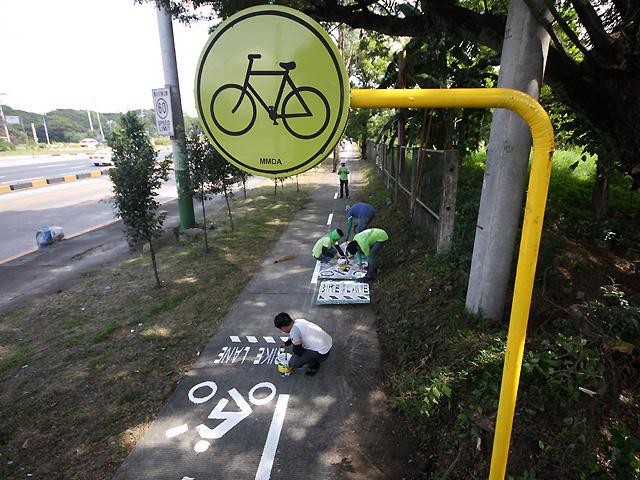
Nearly all Filipinos support the construction of safer and wider bicycle lanes and walkways, according to a Pulse Asia survey commissioned by the Mobility Awards. Results of the survey showed 94% of respondents agreed with proposals to build safer and wider bicycle lanes and walkways. The survey was conducted by Pulse Asia from May 23 to 26, 2026, using face-to-face interviews with 1,200 registered voters nationwide. It has a ±2.8% margin of error at the 95% confidence level for national results. The survey also found strong public support for other transport-related measures, with 93% backing the expansion of dedicated public transport lanes and 82% supporting transit subsidies. Meanwhile, maintaining policies that prioritize private vehicles registered the lowest level of support among the transport proposals tested, with 72% of respondents agreeing. The Mobility Awards said the findings point to what it described as a “94% Paradox.” Citing a 2022 Social Weather Stations study, the group said 94% of Filipino households do not own cars, yet funding for active transport infrastructure has significantly declined in recent years. According to the group, the national budget for active transport infrastructure dropped from P2 billion in 2022 to just P105 million in 2026. "The 94% carless majority has spoken, and our leaders must step up to protect them," said Amber Garma, national coordinator of the Mobility Awards. "First, the President must declare active transport an economic and labor priority in his upcoming State of the Nation Address. Second, Congress must reverse years of fiscal neglect and lock in a minimum PHP 1 billion budget for active transport for 2027. Lastly, local governments must deploy their own funds to build interconnected networks for active transport," she continued. “For the majority of our workforce, walking and cycling are not lifestyle choices—they are financial lifelines. Active transport keeps money in workers’ pockets and drives daily productivity. Yet we are stuck in a paradox where funding and infrastructure are designed to protect only the 6% who own cars,” she added. In 2023, a Social Weather Station (SWS) survey showed the number of households in the country that used bikes rose to 36% or around 10M, from 29% or 7pm from the previous year. Respondents were asked why they cycle, and 56% or some 5.6M cited the reason "to save on fares." The Mobility Awards is convened by the Institute for Climate and Sustainable Cities, MNL Moves, The Climate Reality Project Philippines, 350 Pilipinas, and Pinay Bike Commuter, in partnership with local active transport organizations nationwide. — LA, GMA News
多角的分析
アクティブ・トランスポートへの投資不足は、経済的な観点から見ると機会損失である。自転車や徒歩での移動は、公共交通機関の利用や自動車の維持費と比較して、個人の家計負担を軽減する。これは可処分所得の増加につながり、消費活動の活性化に寄与する可能性がある。また、インフラ整備は建設業や関連産業に雇用を生み出し、地域経済を潤す効果も期待できる。長期的には、健康増進による医療費の抑制や、環境負荷低減による社会全体のコスト削減にもつながる。現在の予算配分は、これらの経済的恩恵を最大化する機会を逃していると言える。
アクティブ・トランスポートインフラへの投資は、長期的な視点を持つ投資家にとって、新たな市場機会を提示する。都市部での交通渋滞緩和や大気汚染改善は、不動産価値の向上や商業活動の活発化を促す可能性がある。また、自転車関連製品やサービス、スマートモビリティ技術への投資も期待できる。しかし、現在の政府の予算配分は、こうした投資を呼び込むには不十分であり、政策の不確実性を示唆している。投資家は、政府の財政政策の明確化と、アクティブ・トランスポートへのコミットメント強化を注視する必要があるだろう。
フィリピンの都市部、特にマニラ首都圏では、公共交通機関の混雑と自家用車の増加による交通渋滞が深刻な問題となっている。多くの国民、特に低所得者層にとって、自動車の維持費や公共交通機関の運賃は大きな負担である。自転車や徒歩は、これらの人々の経済的負担を軽減し、移動の自由度を高める重要な手段となる。しかし、安全な自転車レーンや歩道が整備されていない現状では、これらの移動手段の利用は危険を伴う。今回の調査結果は、大多数の国民が、より安全でアクセスしやすい移動手段を求めていることを明確に示しており、これは公共の安全と公平性に関わる重要な課題である。
マニラ首都圏で働くJuan(20代)は、「毎日の通勤でバスに乗るのに、運賃がどんどん上がっている。自転車で移動できれば、もっとお金が貯まるし、運動にもなる。でも、道路は車ばかりで怖くて走れない。安全な道を作ってほしい」と語る。彼は、SNSで自転車通勤の楽しさを発信しているが、インフラの不備が普及の障壁になっていると感じている。また、地方から出てきたMaria(40代)は、「子供の学校への送り迎えも、歩道が狭くて危険。車道は危ないし、バス停まで遠い。もっと歩きやすい、安全な街になってほしい」と、子供の安全を心配している。
背景・歴史的文脈
フィリピンでは、経済成長に伴い自動車保有台数が増加し、都市部を中心に交通渋滞や大気汚染が深刻化している。特にマニラ首都圏では、公共交通機関のキャパシティ不足と自家用車優先の都市計画が、歩行者や自転車利用者の安全を脅かしてきた。過去数十年にわたり、インフラ投資は主に道路建設に偏り、アクティブ・トランスポート(自転車・徒歩)のインフラ整備は後回しにされてきた。2022年のパンデミック以降、公共交通機関の混雑を避けるため、自転車利用者が増加したが、安全なインフラの不足が課題となっている。
原文ソース
GMA News Philippines