Philippines Restores Excise Tax on Kerosene, LPG as Oil Prices Dip
Economy
2026年7月8日
3
BusinessWorld Nation

Philippines Restores Excise Tax on Kerosene, LPG as Oil Prices Dip

AI サマリー

The Philippines has reinstated excise taxes on kerosene and liquefied petroleum gas (LPG) effective July 8, as the average price of Dubai crude oil fell below the threshold set by law. This marks the reversal of a temporary suspension aimed at cushioning the impact of high oil prices.

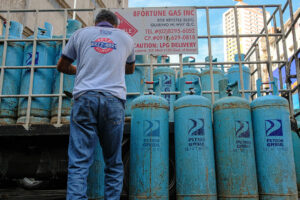
The Bureau of Internal Revenue (BIR) has announced that excise tax rates on kerosene and liquefied petroleum gas (LPG) reverted to their original levels on July 8. This change occurred because the average price of Dubai crude oil fell below the threshold stipulated by law. According to a certification from the Department of Energy (DoE), the average price of Dubai crude oil from June 1 to June 30 was $79.45 per barrel, which is below the $80-per-barrel threshold established under Executive Order (EO) No. 114-2026. Issued on April 16, EO No. 114 temporarily suspended excise taxes on specific petroleum products for three months to cushion the impact of higher oil prices triggered by the Middle East conflict. Under this EO, excise tax rates automatically revert to those prescribed by the National Internal Revenue Code (NIRC) one week after the one-month average Dubai crude oil price falls below the $80-per-barrel threshold, without the need for a separate issuance. "Following the DoE certification, and pursuant to Section 3(i) of EO No. 114, the excise tax rates on kerosene and LPG shall automatically revert to the rates prescribed under Section 148 of the NIRC of 1997, as amended, effective July 8, without need of further issuance," the BIR stated. This development could have a direct impact on the cost of living for consumers in the Philippines, particularly for households that widely use LPG as a cooking fuel. Fluctuations in crude oil prices have ripple effects throughout the Philippine economy, making future oil market trends a point of focus.

多角的分析

経済的影響

フィリピン経済において、エネルギー価格はインフレの主要因の一つである。灯油やLPGへの物品税復活は、消費者物価指数(CPI)の上昇圧力となり得る。特に、低所得者層はLPGへの依存度が高いため、家計への負担増が懸念される。政府は、この税負担増を相殺するための追加的な支援策を検討する必要に迫られる可能性がある。また、石油製品の価格変動は、輸送コストや製造業の生産コストにも影響を与え、経済全体の競争力に影響を与える可能性がある。

投資家心理

投資家にとって、このニュースは短期的なインフレ懸念を高める可能性がある。特に、消費財セクターや輸送関連企業は、コスト上昇の影響を受けやすい。しかし、原油価格が基準値以下で推移している状況は、エネルギー関連企業にとっては収益の圧迫要因となり得る。投資家は、フィリピン国内のインフレ動向と、政府の財政政策、特にエネルギー補助金や税制措置の動向を注視する必要がある。長期的には、エネルギー価格の安定化が、より持続可能な経済成長の基盤となる。

社会的影響

灯油とLPGの物品税復活は、フィリピンの一般市民、特に都市部や地方で調理用燃料としてこれらの製品に依存している家庭に直接的な影響を与える。LPGの価格上昇は、日々の食費に直結するため、家計を圧迫する。特に、経済的に脆弱な層は、代替燃料への切り替えが困難な場合が多く、生活水準の維持がより一層厳しくなる。この状況は、社会的な不満や、政府への支援要求を高める可能性がある。

市民の声

今回の物品税復活は、日々の生活に直結するLPGや灯油の価格に影響を与えるため、多くのフィリピン市民、特に家庭でこれらの燃料を使用している人々にとって、負担増となります。特に、物価上昇が続く中で、家計への影響は無視できません。政府が一時的な措置を解除した背景には、財政状況や原油価格の安定化への期待があると考えられますが、市民としては、生活必需品の価格上昇に対する不安が募ります。

背景・歴史的文脈

フィリピンでは、エネルギー価格の変動が国民生活に与える影響が大きいため、政府は過去にも原油価格高騰時に石油製品への物品税を一時的に停止する措置を講じてきた。2023年後半から2024年初頭にかけて、中東情勢の緊迫化による原油価格の上昇が懸念され、フィリピン政府も EO No. 114-2026 を発令し、灯油、LPG、ガソリンなどの一部石油製品に対する物品税を一時的に免除または減額することで、国民の負担軽減を図ってきた。今回、原油価格が基準値を下回ったため、この措置が解除され、元の税率に戻された形である。これは、政府の財政状況や、原油価格の安定化への期待を反映したものであると考えられる。

原文ソース

BusinessWorld Nation

原文を読む