10 Years On, Did the Philippines' South China Sea Victory Matter?
A decade after the Philippines won a landmark arbitration case against China in the South China Sea, Beijing's aggressive maritime claims persist, leaving the region as volatile as ever. This report examines the tangible achievements and enduring significance of that pivotal 2016 ruling.
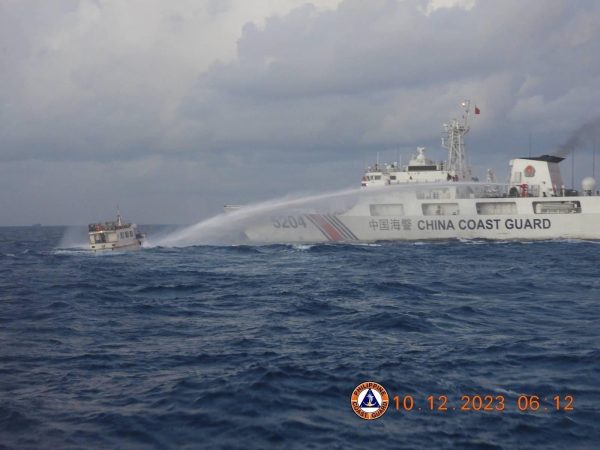
A decade ago, in July 2016, an arbitral tribunal in The Hague delivered a landmark victory for the Philippines against China in their South China Sea territorial dispute. Ruling under the United Nations’ Law of the Sea, the tribunal invalidated most of China’s expansive maritime claims in the disputed waters. However, nearly ten years after this pivotal ruling, its tangible impact is increasingly questioned. China, which dismissed the verdict as "nothing but a scrap of paper" from the outset, has not backed down from its claims. On the contrary, the China Coast Guard has normalized aggressive tactics against Philippine vessels and fishermen, employing water cannons, military-grade lasers, and ramming attempts. The South China Sea remains one of Asia’s most dangerous flashpoints. This reality raises the fundamental question: What did the verdict actually achieve? Was one of history’s largest international lawsuits merely a waste of time? While the Philippines secured a legal victory under international law, it has struggled to translate this into tangible benefits amidst China’s assertive stance. Analysis suggests that the power dynamics in the South China Sea have remained largely unchanged over the past decade, with China’s presence arguably strengthening. The international community faces the challenge of devising new strategies to leverage this ruling and establish regional stability and the rule of law.
多角的分析
仲裁判断は、南シナ海における国際法に基づく秩序の確立を目指すものであったが、中国の経済的・軍事的影響力の拡大を直接的に抑制する効果は限定的であった。むしろ、中国は判決を無視しつつ、南シナ海での経済活動(漁業、資源開発)を継続・拡大しており、国際法を遵守する国々にとっては、経済的な不確実性が増大する要因となっている。フィリピン経済への直接的な影響は、漁業資源へのアクセス制限や、域内の安全保障リスクによる投資の抑制といった形で現れる可能性がある。
南シナ海における緊張の高まりは、域内への投資リスクを増加させる。特に、中国の強硬姿勢は、航行の自由や資源開発における予測可能性を低下させるため、長期的な投資判断において慎重な姿勢を促す。フィリピンや近隣諸国のインフラ開発や資源開発プロジェクトは、地政学的なリスクプレミアムを考慮する必要に迫られる。一方で、安全保障分野への投資や、紛争リスクを回避するためのサプライチェーン再編といった動きも考えられる。
南シナ海での中国による挑発行為は、フィリピンの漁民や沿岸警備隊員の安全を直接脅かしている。彼らは、日々の生活や職務遂行において、いつ攻撃されるか分からない恐怖に晒されている。また、この紛争は、フィリピン国民のナショナリズムを刺激する一方で、国際法に基づく解決への期待と、現実の力関係とのギャップに直面し、無力感や不満を抱かせる可能性もある。SNSなどを通じて、こうした現場の声や感情が共有され、世論形成に影響を与えている。
The Philippines' victory in the 2016 South China Sea arbitration case has not translated into palpable improvements in the daily lives of ordinary citizens. Fishermen continue to face harassment and intimidation from Chinese vessels, impacting their livelihoods and safety. The ongoing tensions also contribute to a sense of insecurity and uncertainty, potentially affecting local economies that rely on maritime resources and trade. Citizens often express frustration over the perceived lack of tangible benefits from the international legal win.
背景・歴史的文脈
2016年の南シナ海仲裁判断は、フィリピンが中国の海洋進出に対し、国連海洋法条約に基づき提起したものである。中国は、南シナ海のほぼ全域を「九段線」で囲い込み、歴史的権利を主張してきた。これに対し、フィリピンは、中国の主張が国際法に違反すると訴えた。裁判所は、中国の九段線に基づく権利主張は国際法上の根拠がないと判断し、フィリピンに軍配を上げた。しかし、中国は判決を拒否し、その後も同海域での活動を活発化させている。この判決は、国際法廷の権威を示す試みであったが、強大な国家の意思の前には、その実効性が問われることとなった。
原文ソース
The Diplomat Indonesia