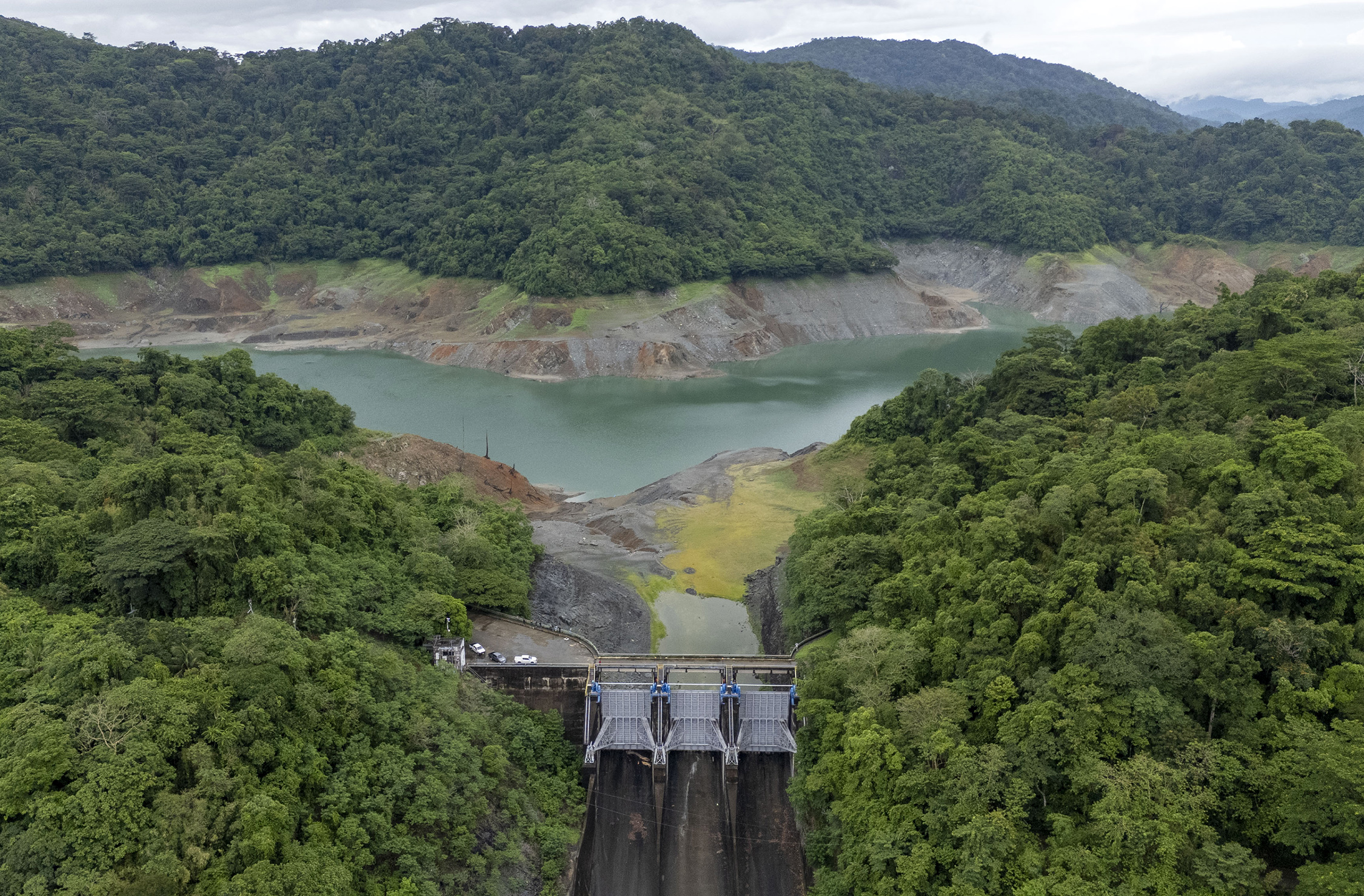
Angat Dam Water Level Drops Below Critical Mark as Typhoon Bavi Approaches
Infrastructure
2026年7月7日
4
Inquirer NewsInfo

Angat Dam Water Level Drops Below Critical Mark as Typhoon Bavi Approaches

AI サマリー

The water level at Angat Dam in the Philippines continues to fall daily, remaining below its critical mark despite the approach of Super Typhoon Bavi. This decline in the dam's water level, a primary source for the capital region, raises concerns about future water supply.

The water level at Angat Dam, a crucial source for Metro Manila's water supply, has continued to decline daily, falling further below its critical operating mark. As of 8 a.m. on Monday, July 6, the reservoir's water level stood at 158.23 meters, a decrease of 0.52 meters from 158.75 meters recorded at the same time on Sunday. This leaves the reservoir 1.77 meters below its critical water level of 160 meters, a key threshold for the country's primary raw water source for the capital region. The current level remains significantly below the dam's normal high water level of 212 meters above sea level. It is also 23.30 meters below its rule-curve elevation of 181.53 meters. No spill operations or gate openings were in progress at the time of the observation. This continued decline occurs as Super Typhoon Bavi approaches the Philippine Area of Responsibility (PAR). According to the Philippine Atmospheric, Geophysical and Astronomical Services Administration (Pagasa), Bavi was located approximately 2,215 kilometers east of Southeastern Luzon as of 11 a.m. Monday, packing maximum sustained winds of 205 kilometers per hour and gusts of up to 250 kph, moving west-northwestward. The cyclone is forecast to enter PAR between Tuesday evening and early Wednesday, where it will be assigned the local name Inday. Bavi is expected to maintain super typhoon strength upon entering PAR before gradually weakening as it moves near Extreme Northern Luzon towards eastern Taiwan. While the chance of landfall over Luzon remains low, tropical cyclone wind signals may be raised over parts of Northern Luzon beginning Tuesday night or Wednesday morning. Angat Dam supplies most of Metro Manila’s raw water requirements through concessionaires Manila Water Co. and Maynilad Water Services, Inc. It also provides irrigation water to farms in Bulacan and Pampanga and generates hydroelectric power. Source: Inquirer NewsInfo

多角的分析

経済的影響

アン hạtダムの水位低下は、首都圏の水道水供給に直接的な影響を与える可能性がある。これは、水不足による断水や、水の使用制限につながり、家庭生活や企業活動にコスト増をもたらす。特に、農業用水の供給にも影響が出れば、食料品価格の上昇も懸念される。また、水力発電への影響も考慮すると、電力供給の安定性にも間接的なリスクが生じうる。

投資家心理

アン hạtダムの水位低下は、インフラ関連企業、特に水供給事業者の収益見通しに不確実性をもたらす。長引く水不足は、設備投資の必要性を高める可能性がある一方、需要抑制策が実施されれば、売上高の減少につながるリスクもある。投資家は、水資源管理能力や代替水源の確保状況を評価する上で、これらの要因を注視する必要がある。

社会的影響

アン hạtダムの水位低下は、首都圏住民の日常生活に直接的な影響を与える。水不足による断水は、衛生状態の悪化や、日々の生活における不便を増大させる。特に、低所得者層は、水の購入や貯水のための追加コストを負担せざるを得なくなる可能性があり、社会的な格差を拡大させる懸念もある。また、農家への灌漑用水供給の減少は、食料生産と農村部の生計にも影響を及ぼす。

市民の声

アン hạtダムの水位低下は、マニラ首都圏の市民にとって、水不足への懸念を直接的に引き起こす。特に、断水が発生した場合、日々の生活用水の確保が困難になり、衛生問題や生活コストの増加につながる。市民は、水道料金の値上げや、水の購入といった追加的な出費を強いられる可能性があり、生活への圧迫感が増す。

背景・歴史的文脈

フィリピンは熱帯モンスーン気候に属し、年間の降水量には季節的な偏りがある。アン hạtダムは、1967年に建設され、マニラ首都圏の人口増加に伴い、その重要性が増してきた。しかし、近年の異常気象や、ダム周辺の森林破壊による水源涵養能力の低下、そして首都圏の人口急増による水需要の拡大が、ダムの水位低下という問題の根本原因となっている。過去にも水不足は度々発生しており、その度に政府は水資源管理やインフラ投資の必要性を訴えてきたが、抜本的な解決には至っていない。

原文ソース

Inquirer NewsInfo

原文を読む