Baguio City Spends Up to P200M Annually for Waste Hauling Amidst Lack of Final Disposal Facility
Economy
2026年7月13日
5
Inquirer NewsInfo

Baguio City Spends Up to P200M Annually for Waste Hauling Amidst Lack of Final Disposal Facility

AI サマリー

Baguio City, Philippines, spends P150 million to P200 million annually to transport residual waste to a sanitary landfill in Pangasinan due to the absence of its own final disposal facility. While a central Materials Recovery Facility aims to reduce costs, resident cooperation in waste segregation and circular economy initiatives remain crucial.

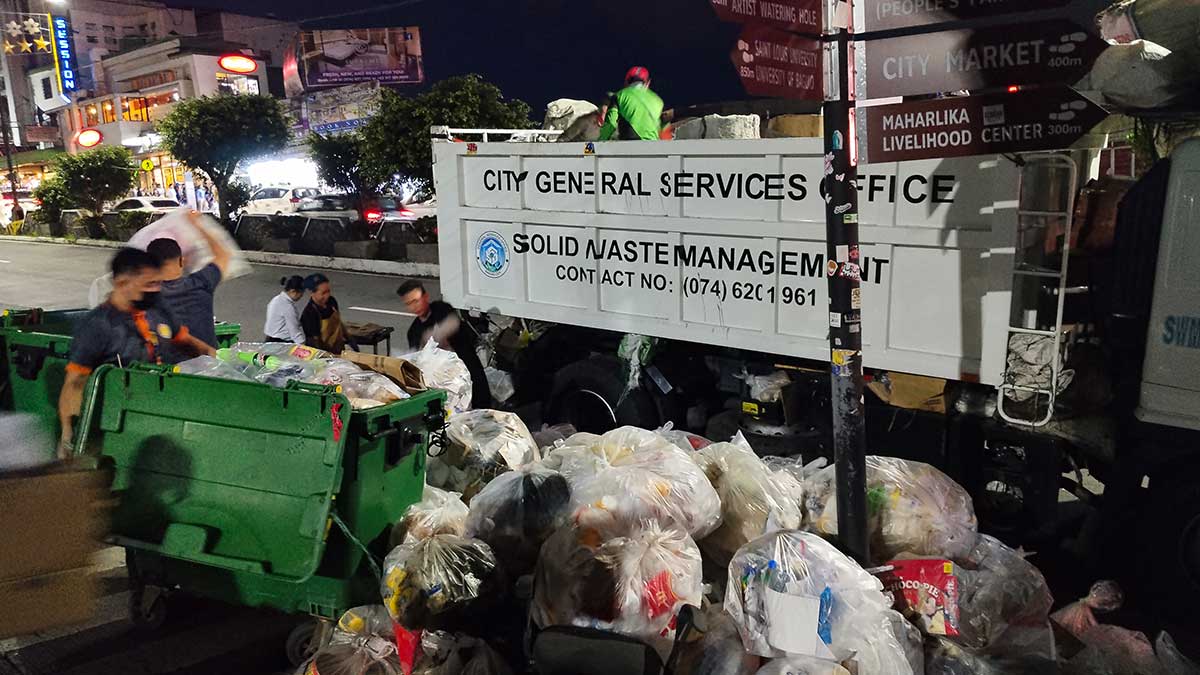
BAGUIO CITY, Philippines — The city spends between P150 million and P200 million a year to transport its residual waste to an engineered sanitary landfill in Urdaneta City, Pangasinan, underscoring the high cost of operating without its own final disposal facility. Assistant City General Services Officer Ma. Guadalupe Della said the city continues to shoulder the multimillion-peso hauling cost because it has yet to establish its own final solid waste disposal facility. In a statement issued by the Baguio City Public Information Office (PIO) on Saturday July 11, Della was quoted as saying that the city expects the cost of hauling waste to decline once its planned central Materials Recovery Facility (MRF) is completed at the temporary waste transfer station in Barangay Dontogan. The facility is expected to reduce the volume of residual waste that needs to be transported outside the city. She said residual waste hauled out of Baguio peaked at around 230 tons in March before declining in the succeeding months and increasing again during the rainy season, reflecting fluctuating waste generation across the city’s barangays. Despite the erratic volume, Della said the city’s waste output has remained manageable due to improved compliance by residents with waste segregation policies and sustained efforts by barangay officials to enforce solid waste management measures. The city has also intensified its circular economy program, which promotes recovering and reusing materials that would otherwise end up in landfills. Among its initiatives is converting collected plastic waste into armchairs for use in public schools. To strengthen waste segregation at the source, the city has deployed garbage trucks to six pilot barangays—Irisan, Dominican-Mirador, Guisad Central, Gibraltar, Bakakeng Central, and Happy Hallow—for the separate collection of biodegradable and non-biodegradable waste. The local government also recognized 18 barangays for helping collect single-use plastics that were recycled into 45 armchairs, which were donated to Baguio Central School for use by Grade 3 pupils. —MAUREEN MATAYEW/CONTRIBUTOR

多角的分析

経済的影響

バギオ市の年間最大2億ペソという廃棄物輸送コストは、最終処分場未整備というインフラ不足が経済に直接的な負担を与えていることを示している。このコストは、市民へのサービス提供や他の公共事業に振り向けられるべき財源を圧迫する。中央MRFの建設はコスト削減に寄与すると期待されるが、その建設・運営コスト、そして周辺地域との連携による最終処分場の確保が、持続的な経済的負担軽減の鍵となる。フィリピン全体で見ても、地方自治体のインフラ投資能力の差が、地域経済の格差を生む一因となっている。

投資家心理

投資家にとって、バギオ市の状況はインフラ整備の遅れがもたらす経済的非効率性を示す事例となる。廃棄物処理という基礎的なインフラの未整備は、事業活動におけるコスト増加や不確実性を生じさせる可能性がある。一方で、中央MRFの建設や循環経済への取り組みは、廃棄物管理分野における新たなビジネス機会を示唆している。特に、プラスチックリサイクルや再生素材活用といった分野への投資は、環境規制の強化やCSR意識の高まりとともに、将来的な成長が見込まれる。

社会的影響

バギオ市が年間最大2億ペソを廃棄物輸送に費やす現状は、市民の生活に直接的な影響を与える。この費用は、本来であれば教育や医療、交通インフラの改善といった市民サービスの向上に充てられるべき財源である。市民の分別協力が進んでいることは評価できるが、最終処分場問題は長期的な視点での解決が求められる。プラスチック廃棄物を肘掛け椅子に転換する取り組みは、環境意識の向上と資源の有効活用という点で地域社会に貢献しているが、根本的な廃棄物管理体制の構築が、市民の健康と環境保護のために不可欠である。

市民の声

バギオ市民にとって、年間最大2億ペソもの税金が市外への廃棄物輸送に費やされている事実は、財政の非効率性を痛感させるものだろう。本来であれば、この資金は学校の設備拡充や医療サービスの向上、あるいは公共交通機関の整備など、市民生活を直接的に豊かにする分野に活用されるべきだと考える市民は多いはずだ。プラスチックを肘掛け椅子にリサイクルする取り組みは好意的に受け止められているかもしれないが、それはあくまで部分的な解決策であり、根本的な廃棄物処理問題の解決が、市民の安心・安全な生活環境の維持に不可欠だと感じているだろう。

背景・歴史的文脈

フィリピンでは、多くの地方自治体が最終処分場の確保に苦慮している。1999年に制定された「固体廃棄物管理法(RA 9003)」は、各自治体に最終処分場の設置を義務付けているが、土地の確保、建設費用、住民の反対運動など、多くの障壁が存在する。バギオ市のように、自前の施設を持たない自治体は、近隣の州や民間の施設に高額な費用を支払って廃棄物を運搬しており、これが財政を圧迫している。この問題は、都市化の進展と人口増加に伴い、全国的に深刻化している。

原文ソース

Inquirer NewsInfo

原文を読む