Cambodia Maintains E-Waste Import Ban to Safeguard Environment and Health
Cambodia's Ministry of Environment announced the continuation of its ban on electronic waste (e-waste) imports to protect the environment, natural resources, and public health from long-term pollution. The ministry is also considering strengthening domestic e-waste management.
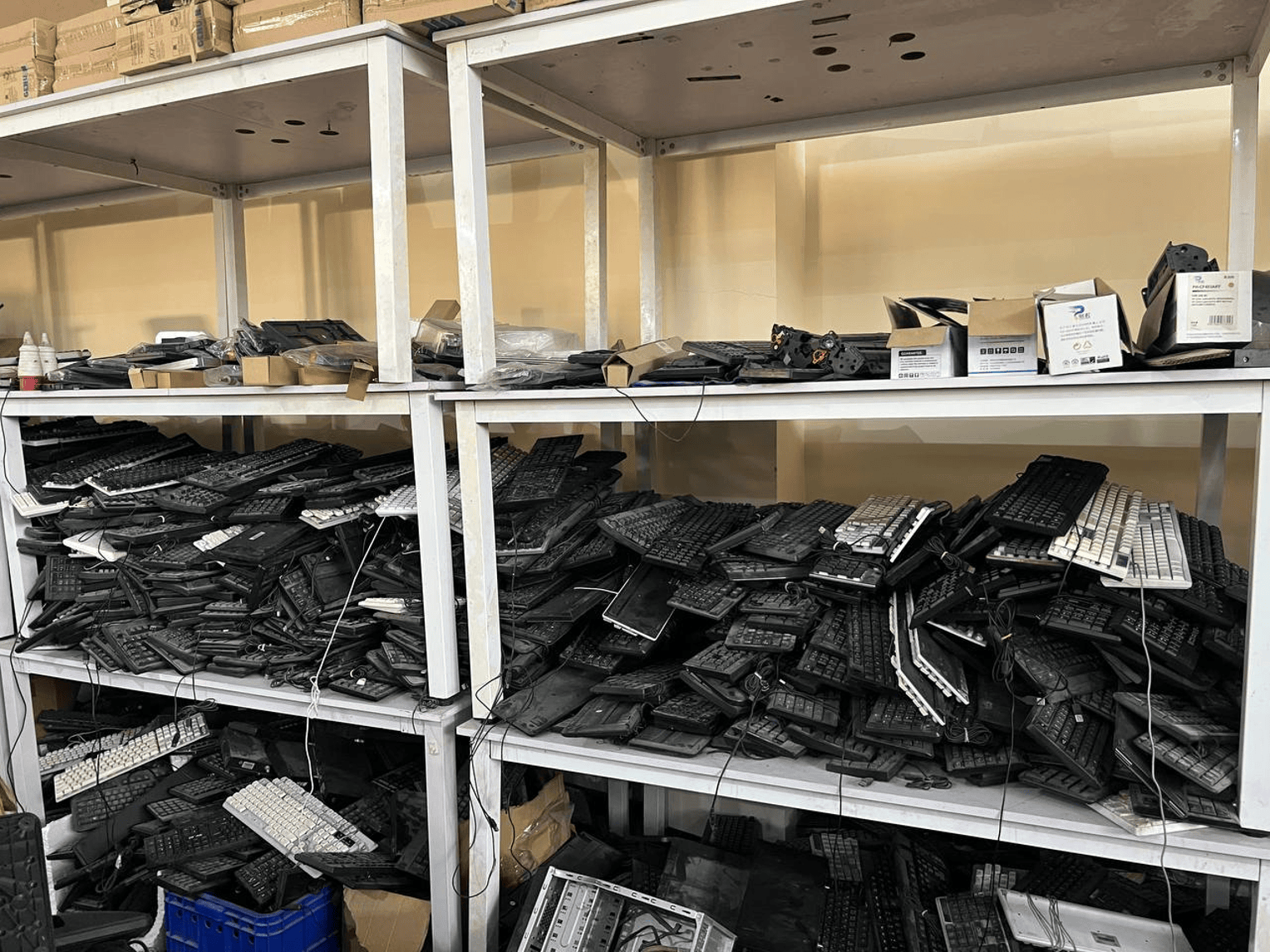
Cambodia is maintaining its ban on the import of electronic waste (e-waste) as part of ongoing efforts to protect the country’s environment, natural resources and public health from long-term pollution, according to the Ministry of Environment. E-waste includes outdated and discarded electronic devices such as computers, televisions, mobile phones, printers, household appliances, batteries and various other electrical equipment. Environment minister Eang Sophalleth explained in a press release that while some valuable materials can be extracted from e-waste, only about 9 per cent is typically economically viable for recycling. He noted that the remaining materials require advanced processing, specialised recycling technology and environmentally sound disposal, all of which are costly and require high technical expertise. “Improper e-waste management can release hazardous substances into the soil, groundwater, rivers and atmosphere, causing long-term environmental pollution and posing risks to human health. Once pollution occurs, restoration is often expensive, and in some cases, the damage may be irreversible,” he stated. He added that Cambodia will not allow itself to become a destination for foreign e-waste and will continue to enforce the ban on such illegal imports. Recognising the risks posed by e-waste, including domestically generated electronic waste, the minister shared that the ministry is considering a special national effort. This effort will strengthen the capacity to effectively and efficiently collect, manage and process domestic e-waste to safely handle it and minimise environmental risks.
多角的分析
カンボジアがe-wasteの輸入禁止を維持することは、国内の環境保護および公衆衛生への長期的な投資と見なせる。一方で、e-wasteに含まれる貴金属のリサイクルによる経済的利益の機会損失という側面もある。ただし、記事にあるように、経済的に見合うリサイクル率は低く、高度な技術とコストを要するため、現時点では輸入禁止が国内経済への直接的な負の影響よりも、潜在的な環境・健康リスク回避のメリットの方が大きいと判断されていると考えられる。
e-wasteの輸入禁止は、カンボジア国内でのリサイクル産業や関連技術への直接的な投資を抑制する要因となり得る。しかし、これは同時に、国内で発生するe-wasteの管理・処理能力強化に向けた将来的な投資機会を示唆している。規制当局が国内処理能力の向上に注力する姿勢を見せていることから、将来的にこの分野での技術導入やインフラ整備に関心を持つ投資家にとっては、新たなビジネスチャンスが生まれる可能性がある。
e-wasteの輸入禁止は、カンボジア国民を有害物質による汚染から保護する上で重要な一歩である。不適切な処理は土壌や水質汚染を引き起こし、住民の健康に深刻な影響を与える可能性があるため、この禁止措置は、特に都市部や工業地帯周辺の居住者にとって、より安全な生活環境の維持に寄与すると考えられる。また、国内発生e-wasteの管理強化は、不法投棄や不適切な処理による環境悪化を防ぐための、地域社会の協力が不可欠となる。
カンボジア市民にとって、e-wasteの輸入禁止は、自国が発展途上国として先進国の廃棄物処理場となることを防ぎ、将来世代への環境負荷を軽減するという意味合いを持つ。国内で発生するe-wasteの管理強化は、家庭から出る電子機器の適切な処理方法への意識向上を促し、地域社会の衛生環境改善につながる可能性がある。しかし、国内処理能力の向上には時間がかかるため、当面は個人レベルでのリサイクルや廃棄に関する啓発活動が重要となる。
背景・歴史的文脈
カンボジアにおけるe-waste問題は、経済発展に伴う電子機器の普及と、それらの廃棄・処理に関するインフラや規制の遅れから生じている。特に、近隣諸国や先進国からの違法なe-wasteの流入は、環境汚染や公衆衛生への深刻な脅威となってきた。これに対し、カンボジア政府は2010年代初頭からe-wasteの輸入規制を強化し、国内での適切な管理体制構築を目指してきた。今回の発表は、その方針を再確認し、国内発生e-wasteへの対策を具体化する動きと言える。
原文ソース
Phnom Penh Post