Cambodia Faces Severe Water Shortages in Rainy Season, Hitting Battambang Rice Cultivation
Environment
2026年7月3日
4
Phnom Penh Post

Cambodia Faces Severe Water Shortages in Rainy Season, Hitting Battambang Rice Cultivation

AI サマリー

Battambang province in Cambodia is experiencing water shortages affecting over 18,000 hectares of rice fields, despite it being the rainy season. The government is prioritizing water conservation and irrigation system modernization in anticipation of the dry season, potentially influenced by El Niño.

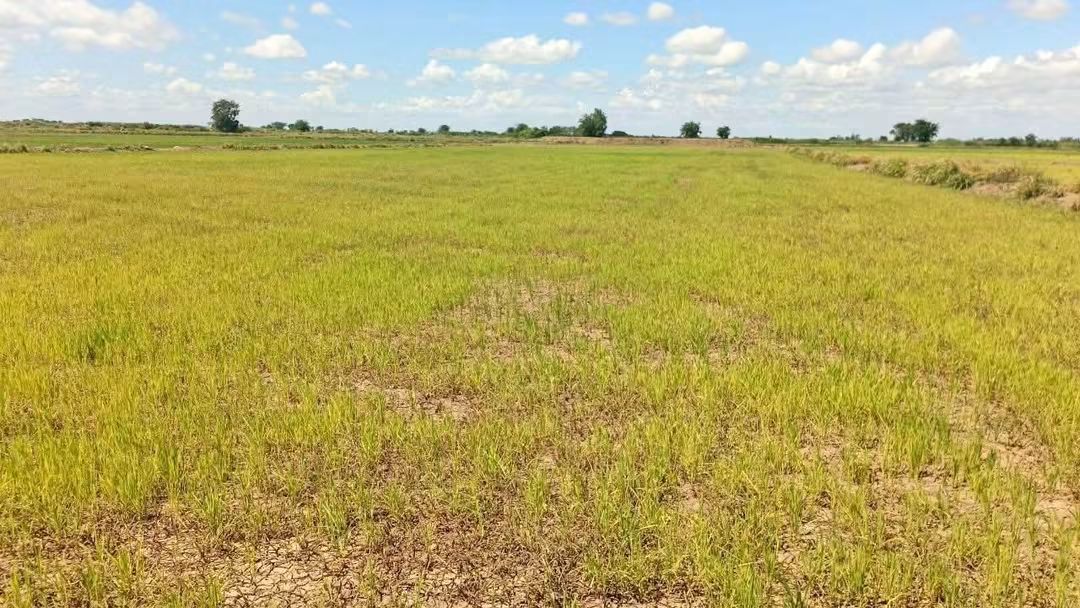
Authorities are assessing the impact of water shortages on more than 18,000 hectares of rice fields in Battambang province, with all relevant ministries urging water conservation measures during the middle and latter stages of the rainy season to reduce the risk of future shortages. Senior Minister Kun Kim, first vice-president of the National Committee for Disaster Management (NCDM), said he has instructed provincial leaders, department heads and relevant officials to closely monitor the situation, conduct detailed assessments and prepare measures to address water shortages affecting rice cultivation in the province. The directive followed instructions from Prime Minister Hun Manet, who serves as NCDM president. The prime minister’s instructions were based on reports showing that rice crops in Battambang are facing increasingly severe water shortages. As of July 1, a total of 18,362 hectares of rice fields in Ek Phnom and Sangke districts had been affected, 7,769 in Ek Phnom and 10,593 in Sangke. During a first-half 2026 review meeting held yesterday, July 2, by the Ministry of Water Resources and Meteorology, the Cambodia National Mekong Committee and the Tonle Sap Authority, water resources minister Thor Chetha instructed officials to remain vigilant. He stressed the importance of conserving as much water as possible during the middle and end of the current rainy season in preparation for potential water shortages and higher temperatures during the upcoming dry season, which are expected to be influenced by the return of the El Niño climate pattern. “Particular attention should be given to storing as much water as possible,” he said. He called for close coordination with provincial and municipal administrations to monitor developments and keep the public informed about the impacts of climate change. Chetha highlighted the ministry’s ongoing efforts to identify new water sources, construct reservoirs, modernise irrigation systems and upgrade Cambodia’s meteorological services. These initiatives aim to ensure reliable water supplies for agricultural irrigation and other sectors while improving weather forecasting and providing timely public warnings about natural disasters, including floods and droughts.

多角的分析

経済的影響

今回の水不足は、カンボジアの主要産業である農業、特に米生産に直接的な打撃を与える。バッタンバン州は米の主要産地の一つであり、収穫量の減少は国内の食料供給だけでなく、輸出収入にも影響を及ぼす可能性がある。エルニーニョ現象による降雨パターンの変化は、長期的な食料安全保障のリスクを高める。政府による灌漑システムの近代化や貯水能力の向上は、こうした気候変動リスクへの適応策として重要だが、その実施には多大な投資と時間がかかるため、短期的な収量への影響は避けられないと考えられる。

投資家心理

農業セクターへの投資家にとって、今回の水不足はリスク要因となる。特に、米の生産・輸出に関わる企業は、収穫量の不確実性や生産コストの上昇に直面する可能性がある。一方で、政府が灌漑インフラへの投資を加速させる場合、建設業や関連資材供給業には新たなビジネスチャンスが生まれることも考えられる。長期的な視点では、気候変動への適応能力が高い農作物や技術への投資が注目されるだろう。

社会的影響

水不足は、直接的に農家の生計を圧迫する。収穫量の減少は収入減に直結し、食料不足や生活必需品の価格上昇を招く恐れがある。特に、小規模農家は代替収入源が限られているため、その影響は深刻になる。また、水資源の配分を巡る地域間の摩擦や、都市部と農村部での格差拡大も懸念される。政府による情報提供と、農家への直接的な支援策が求められる。

市民の声

農村部では、水不足が日々の生活に直結する。飲料水の確保や衛生状態の悪化が懸念されるほか、農業に依存する地域では収入源の喪失が深刻な問題となる。食料価格の上昇は、都市部の住民にも影響を与える可能性がある。政府による正確な情報提供と、迅速な支援が、市民の不安を和らげる鍵となる。

背景・歴史的文脈

カンボジアは、メコン川流域に位置し、農業、特に米作が経済の基幹をなしている。しかし、近年の気候変動は、降雨パターンの変化、エルニーニョ現象の頻発化・強大化といった形で、国内の農業生産に深刻な影響を与えている。過去にも、2019年のエルニーニョ現象時には深刻な干ばつが発生し、広範囲で農作物が被害を受けた。政府は、灌漑施設の整備や水資源管理の強化を掲げているが、急速に進行する気候変動に対応するには、インフラ投資の加速と、より持続可能な農業慣行への転換が求められている。

原文ソース

Phnom Penh Post

原文を読む