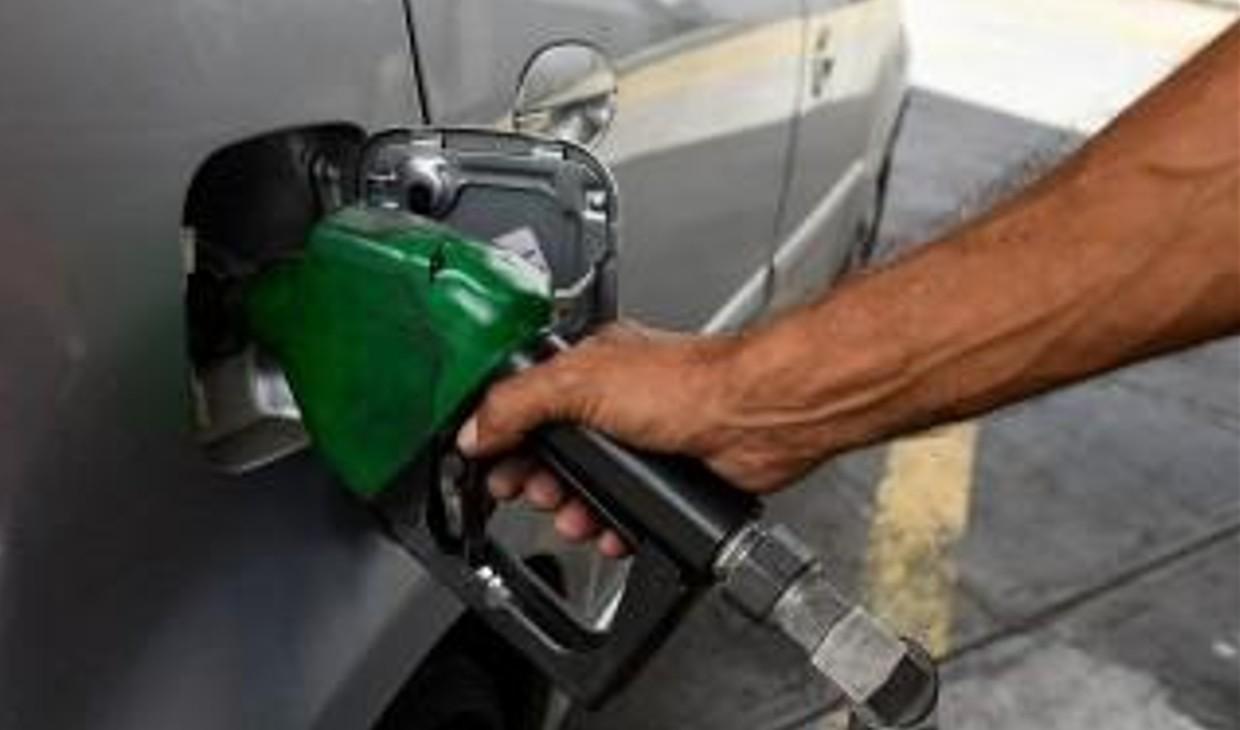
Philippines Faces Fuel Price Volatility Amid Rising Crude Oil Costs and Regional Tensions
The Philippines is set to see price adjustments for gasoline starting July 14, with definite hikes for diesel and kerosene. The Department of Energy cited regional tensions, particularly in the Strait of Hormuz, as a key factor driving up international crude oil prices and impacting domestic fuel costs.
Motorists in the Philippines can expect price adjustments for gasoline, with potential rollbacks or hikes, starting this week, while definite price increases are slated for both diesel and kerosene. These adjustments are based on the permitted range of price changes per liter prescribed by the Department of Energy (DOE). DOE Secretary Sharon Garin stated that recent growing tensions in the region, particularly threats to navigation through the Strait of Hormuz, have underscored the vulnerability of one of the world's most critical energy trade corridors. This, she explained, has exerted upward pressure on international crude oil prices, "and consequently, affected po tayo" (and consequently, has affected us). Reports indicate that US and Iranian forces exchanged missile and drone assaults across the Gulf on Sunday, prompting the closure of the Strait of Hormuz. This escalation in regional conflict contributes to the volatility of the global crude oil market. Secretary Garin added that for the following week, if global prices remain volatile, the DOE may opt to do away with the range and instead prescribe definite minimum or maximum adjustments, whether it's a rollback or a hike. This move is intended to provide clearer guidance in a fluctuating market. The actual price adjustments will vary by fuel retailer. For Filipino drivers and consumers, these fuel price fluctuations have a direct impact on household budgets, making future price movements a key point of attention.
多角的分析
国際原油価格の上昇は、フィリピン経済においてインフレ圧力の主要因となる。燃料価格の上昇は、輸送コストの増加を通じて、食料品やその他の必需品の価格にも波及する。これは、特に低所得者層の家計を圧迫し、消費支出の鈍化につながる可能性がある。フィリピン経済は、海外からの原油輸入に大きく依存しており、地政学的なリスクが直接的な経済的脆弱性として現れている。
原油価格のボラティリティは、エネルギー関連企業や輸送業者の収益性に直接影響を与える。投資家は、これらのセクターへの投資リスクを再評価する必要がある。また、インフレ懸念の高まりは、中央銀行の金融政策にも影響を与え、金利引き上げの可能性を示唆する。これは、株式市場全体にとってマイナス要因となり得る。フィリピン証券取引所(PSE)の動向にも注視が必要だ。
燃料価格の上昇は、フィリピンの多くの市民、特に公共交通機関を利用する人々や、地方で生計を立てる人々にとって、生活必需品へのアクセスを困難にする。例えば、マニラ首都圏のジープニー運転手やトライシクル運転手は、燃料費の増加分を運賃に転嫁せざるを得なくなり、乗客の負担が増加する。また、地方では、食料品や物資の輸送コスト増が、物価上昇として直接的に現れるため、食料安全保障上の課題も生じうる。
ホルムズ海峡における緊張の高まりは、フィリピン国民の日常生活に直接的な影響を与えている。燃料価格の上昇は、日々の通勤費や食料品の購入費を増加させ、家計を圧迫する。特に、海外からの原油輸入に依存するフィリピンでは、国際情勢の不安定さが、国民の生活水準に直結する問題となる。国民は、政府による物価安定策や、エネルギー自給率向上に向けた取り組みに期待を寄せている。
背景・歴史的文脈
フィリピンは、国内の石油生産量が限られているため、エネルギー需要の大部分を輸入に依存している。特に、中東地域からの原油輸入は、フィリピンのエネルギー安全保障の要となっている。ホルムズ海峡は、世界の石油輸送量の約3分の1が通過するチョークポイントであり、この海峡における紛争や緊張は、国際的な原油価格に直接的な影響を与える。2026年7月14日時点でのこの緊張は、過去の同様の地政学的リスクが原油価格に与えた影響(例:2019年のホルムズ海峡付近でのタンカー攻撃)と同様のメカニズムで、フィリピン国内の燃料価格にも波及している。
原文ソース
GMA Money Philippines