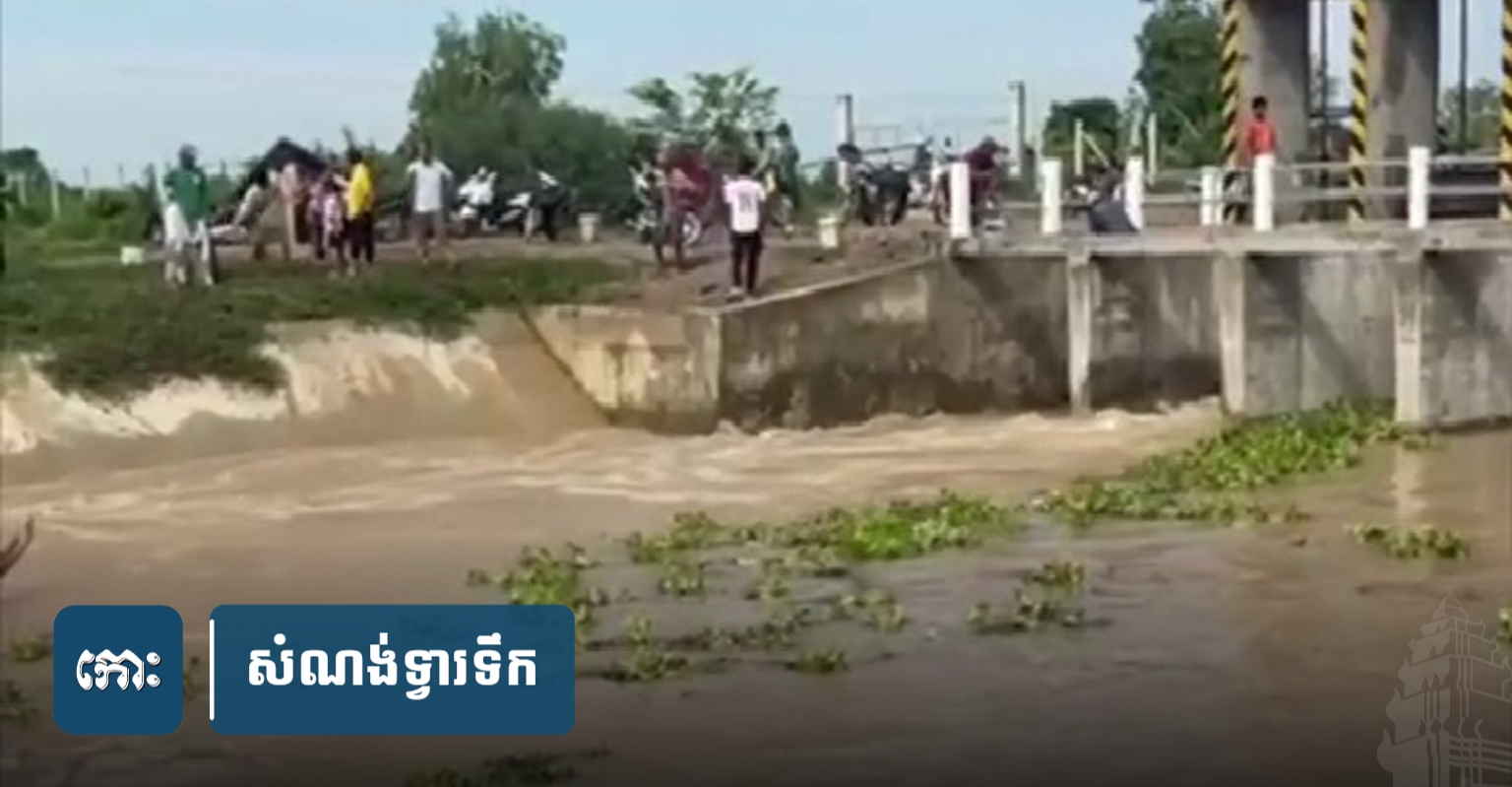
Banteay Meanchey Farmers Clash Over Water Distribution Amid Drought Recovery
In Banteay Meanchey province, Cambodia, farmers clashed over the opening and closing of water gates for the distribution of water to over 7,000 hectares of rice fields affected by drought. Authorities are mediating the situation.
In Banteay Meanchey province, Cambodia, a conflict arose among farmers over the opening and closing of water gates as water began to be supplied following drought-induced damage to over 7,000 hectares of rice fields. The issue surfaced on July 7 in Mongkol Borei district. According to Pan Nara, Deputy Director of the Provincial Department of Agriculture, Forestry, and Fisheries, a total of 7,002 hectares of rice cultivation across five districts and 12 communes in the province were affected by the drought. The affected areas include 2,045 hectares in Phnom Srouk district, 682 hectares in Preah Net Preah district, 766 hectares in Thma Puok district, 3,347 hectares in Svay Chek district, and 162 hectares in the city of Serei Saophoan. Keo Thalarasmy, Governor of Mongkol Borei district, explained that water has been flowing into the two-stemmed Pou construction's waterway for two days, and the irrigation system and main canals are being opened to supply water to farmers. However, a dispute occurred when upstream farmers demanded the water gates be closed for their own needs. District authorities and relevant departments have mediated the situation, and it is now progressing smoothly. Lai Sothy, Director of the Provincial Department of Water Resources and Meteorology, stated that the water flowing into the two-stemmed Pou construction's waterway is from rainfall in recent days from Pailin province. This water flows through the Po Bivul and Prey Khsach structures in Battambang province and enters via rivers and the Seur canal. Authorities and specialized departments are currently distributing water according to farmers' needs. Some districts north of National Road 5 and 6 are still facing challenges, but rainfall in the next three to four days is expected to improve the situation, though it may not be entirely sufficient.
多角的分析
カンボジア経済は依然として農業に大きく依存しており、特に米の生産は国民の食料安全保障と輸出収入の重要な柱である。今回の干ばつによる被害と、それに続く水配分を巡る混乱は、小規模農家の収入に直接的な打撃を与えるだけでなく、地域経済の不安定化要因となりうる。水資源の管理と公平な配分は、将来的な農業生産性の維持と農村部の安定のために不可欠であり、灌漑インフラへの投資と、気候変動への適応策が喫緊の課題となっている。
農業セクターにおける水資源の不安定性は、直接的な農業投資のリスク要因となる。特に、灌漑システムへの依存度が高い米作地帯では、水門の開閉を巡る地域間の対立は、事業運営の不確実性を高める。投資家は、気候変動の影響を受けにくい作物への分散投資や、効率的な水管理技術を持つ企業への投資を検討する必要がある。また、政府によるインフラ整備や気候変動対策への投資動向も注視すべき点である。
干ばつによる農作物への被害と、その後の水配分を巡る対立は、農村部における住民間の摩擦を顕在化させる。上流・下流、あるいは地域間の利害の衝突は、地域社会の連帯感を損なう可能性がある。当局による迅速かつ公平な調整が求められるが、水資源の枯渇は、将来的にさらなる社会的不安を引き起こす要因となりうる。特に、生計を農業に依存する多くの農民にとって、水へのアクセスは生存に直結する問題である。
今回の水配分を巡る対立は、干ばつによって既に苦境に立たされている農民たちの生活に直接的な影響を与えている。本来、雨季の恵みであるはずの水が、地域間の争いの種となっている現状は、多くの市民にとって憂慮すべき事態である。特に、水不足に直面している地域では、収穫量の減少や作物の枯死といった事態が、家計をさらに圧迫する。当局による公平な水分配と、将来的な水資源管理の強化が、市民の安心した生活のために強く求められている。
背景・歴史的文脈
カンボジアは、メコン川流域に位置し、農業が経済の根幹をなしている。特に米作は国民の主食であり、輸出の重要な柱である。しかし、近年、気候変動による干ばつや洪水といった異常気象が頻発しており、農業生産に大きな影響を与えている。水資源の管理と配分は、地域間の利害対立を生む可能性を常に孕んでおり、特に雨季と乾季の間の水不足は、農民の生活を直撃する。今回の事例は、こうした脆弱性が顕在化したものであり、持続的な農業生産と農村部の安定のためには、灌漑インフラの整備や気候変動への適応策が喫緊の課題となっている。
原文ソース
Koh Santepheap Khmer