Phnom Penh Garment Factories Face Penalties for Illegal Waste Burning
Environment
2026年7月16日
5
CamboJA News
Relations
🇰🇭Cambodia🇨🇳China

Phnom Penh Garment Factories Face Penalties for Illegal Waste Burning

AI サマリー

Cambodia's Ministry of Environment plans to penalize two garment factories in Phnom Penh for illegally burning fabric scraps and exceeding air pollutant emission limits. The inspections followed complaints from residents.

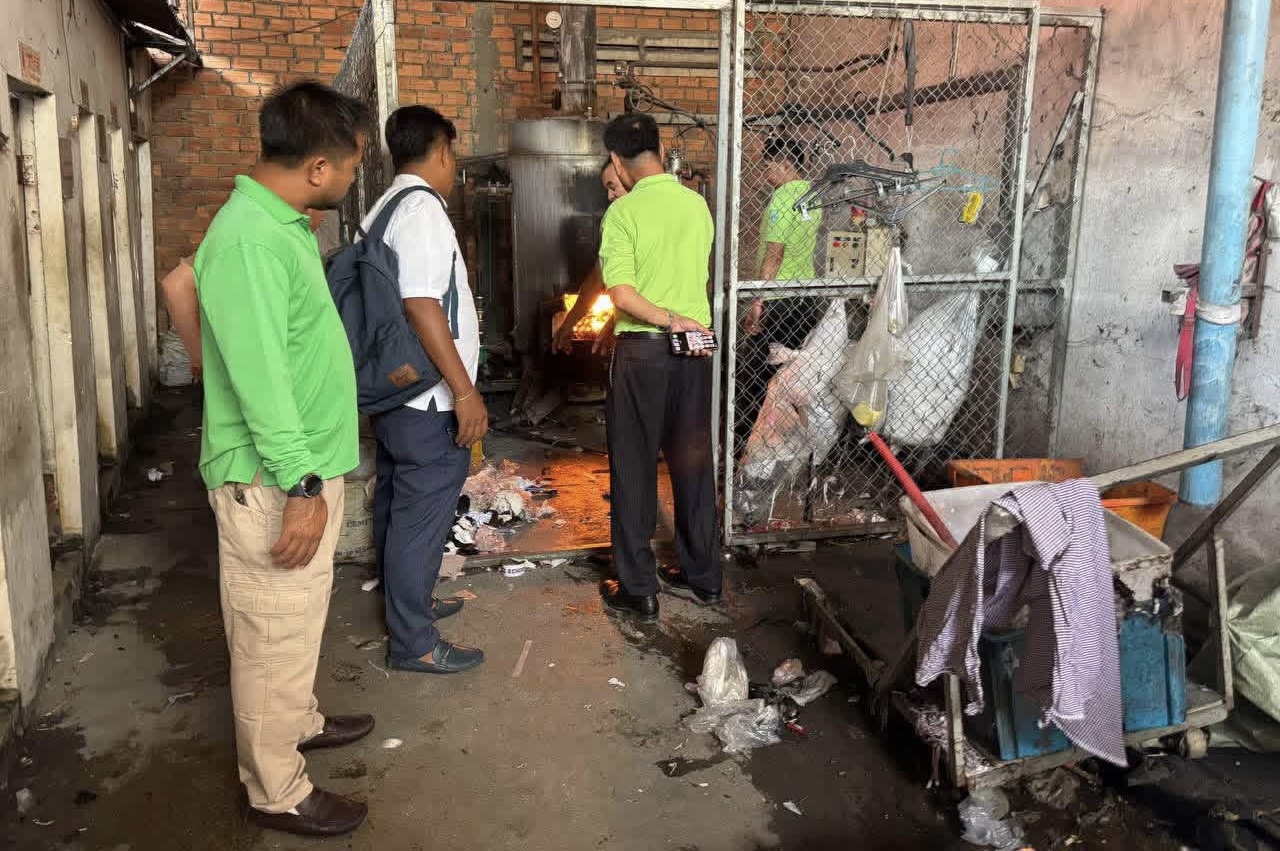
Two garment factories in Phnom Penh are facing fines and other penalties after the Environment Ministry found they burned fabric scraps in boilers, emitting air pollutants above legal limits. Inspection teams from the ministry’s General Department of Environmental Protection and the Phnom Penh Department of Environment visited the factories on Tuesday following pollution complaints. The factories, Chinese-owned XSLJ (Cambodia) Garment Co. Ltd. and Yun Jian Garment Co. Ltd., are located in Meanchey District. The ministry stated that Yun Jian Garment burned approximately 10 kilograms of fabric scraps daily in a boiler lacking an air pollution control system. The company was also accused of failing to prepare an environmental protection agreement and obtain a required waste discharge permit. Yongjian Cai, chairman of Yun Jian Garment, disputed these findings. "They inspected our boiler and found nothing harmful. We do not burn fabric scraps. We burn firewood, and our equipment is properly installed," he said through a translator, asserting that inspectors found no pollution affecting nearby residents or the environment. Regarding XSLJ Garment, the ministry reported the burning of about 3,000 kilograms of fabric scraps daily. An additional boiler burned 10 to 15 cubic meters of firewood daily, also using diesel fuel. Although the factory had installed a smoke filtration system, preliminary tests indicated that emissions from its boiler smokestacks exceeded Cambodia’s legal limits. Officials also noted that the company had prepared an environmental protection agreement but had not secured the necessary waste discharge permit. XSLJ Garment did not respond to requests for comment sent to the phone number listed in the public business registry. Kaing Monika, deputy secretary-general of the Textile, Apparel, Footwear and Travel Goods Association in Cambodia (TAFTAC), was also unavailable for comment. The practice of burning textile offcuts and other production waste has long been a source of environmental concern within Cambodia’s garment industry. Researchers and rights groups have documented instances where factories and brick kilns utilize fabric scraps as a low-cost fuel, linking this practice to harmful air pollution and, in some cases, to global apparel supply chains serving major international fashion brands. Firewood used to fuel industrial boilers has also drawn scrutiny due to concerns that demand contributes to illegal logging and deforestation. Environment Ministry spokesperson Khvay Atitya said the ministry has investigated 29 environmental pollution cases nationwide this year across multiple sectors, including violations related to inadequate emissions control systems and improper wastewater discharge. Atitya emphasized that burning fabric scraps without appropriate pollution control systems is prohibited under Cambodian environmental regulations.

多角的分析

経済的影響

カンボジアの縫製産業は、依然として同国の主要な輸出産業であり、雇用創チを生み出している。しかし、本件のような環境規制違反は、国際的なサプライチェーンにおける企業の評判リスクを高め、結果として投資や注文の減少につながる可能性がある。特に、欧米のブランドは、サプライヤーの環境・社会・ガバナンス(ESG)基準への準拠を重視する傾向が強まっており、今回の工場がそれらの基準を満たせない場合、長期的な事業継続に影響が出かねない。

投資家心理

今回の事案は、カンボジアの縫製工場における潜在的な運用リスクを示唆している。投資家は、環境規制の遵守状況、特に廃棄物管理と排出規制への対応を、投資判断の重要な要素として考慮する必要がある。中国系企業が関与している点も注目に値し、外国投資家は、現地の法規制だけでなく、投資元の国の規制や国際的な規範との整合性も確認する必要があるだろう。

社会的影響

メアンチェイ地区の住民は、工場からの排気による大気汚染の直接的な影響を受けている可能性が高い。布くずなどの不適切な焼却は、呼吸器疾患やその他の健康問題を引き起こすリスクがあり、生活環境の悪化につながる。環境省が苦情を受けて調査に乗り出したことは、住民の声が一定程度反映されていることを示唆するが、実効性のある監視体制と罰則の適用が、住民の健康と安全を守る上で不可欠である。また、薪の需要が違法伐採に繋がる懸念は、農村部や森林地域における環境問題とも関連している。

市民の声

プノンペン市民、特にメアンチェイ地区の住民は、工場からの大気汚染に直接苦しんでいる。布くずなどの不法焼却は、健康被害のリスクを高め、生活の質を低下させる。環境省の調査は住民の懸念に応える一歩だが、工場側が主張するように、彼らが薪を燃やしているだけであれば、その薪の調達元や、ボイラーの排気システムが適切に機能しているかの継続的な監視が求められる。市民としては、きれいな空気と安全な生活環境を享受する権利があり、その実現のために、当局にはより厳格な規制と執行を期待したい。

背景・歴史的文脈

カンボジアの縫製産業は、1990年代以降、特に欧米諸国からの特恵関税制度などを背景に急速に発展した。これは、同国の経済成長と雇用創チに大きく貢献してきた一方で、労働条件や環境問題に関する懸念も長年指摘されてきた。特に、製造過程で発生する廃棄物の不適切な処理や、低コスト燃料としての布くずの焼却は、大気汚染の原因として問題視されてきた。環境省は、2000年代以降、環境規制の整備を進めてきたが、その執行力や、急速な産業発展に追いつくための監視体制の強化が課題となっている。中国からの投資が増加する中で、これらの問題への対応は、カンボジアの持続可能な発展にとって重要な要素となっている。

原文ソース

CamboJA News

原文を読む