Cambodia Enhances Logistics Sector to Boost International Competitiveness
Politics
2026年7月8日
5
CEN Cambodia
Relations
🇰🇭Cambodia🇨🇳China🌐United Nations / ASEAN

Cambodia Enhances Logistics Sector to Boost International Competitiveness

AI サマリー

Cambodia held the 11th National Logistics Council meeting on the 8th to strengthen the logistics sector. Discussions focused on collecting logistics indicators, building a dashboard, and legal frameworks, aiming to integrate into global supply chains and attract investment. Reducing transportation costs through collaboration with EuroCham was a key topic.

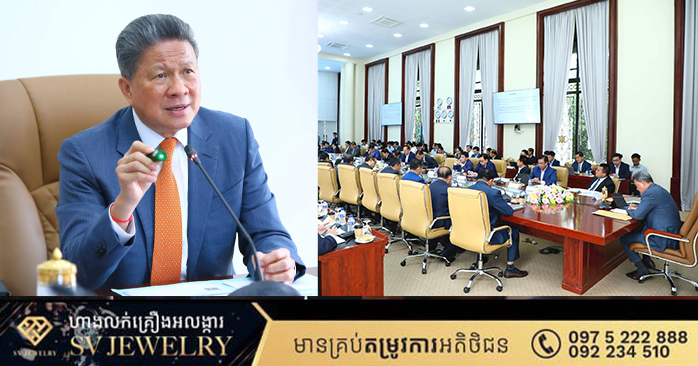
On July 8, 2026, Cambodia convened the 11th National Logistics Council (NLC) meeting, led by Deputy Prime Minister and First Vice Chairman of the Council for the Development of Cambodia (CDC), Sun Chanthol, who also chairs the NLC. This high-level meeting was attended by H.E. Peng Ponea, Minister of Public Works and Transport and Chairman of the National Logistics Committee (NLC), along with Deputy Chairmen, members of the NLC and NLC, representatives from the Cambodia Chamber of Commerce, the Cambodia Logistics Association, as well as relevant technical officials and private sector representatives. The 11th meeting focused on reviewing, monitoring, and evaluating the progress of three key operational tasks: 1. The collection of Logistics Performance Index (LPI) indicators, 2. The preparation of a Logistics Dashboard, and 3. The draft law on "Logistics." In addition to reviewing these work progresses, the meeting discussed and outlined new strategic directions aimed at orienting and improving Cambodia's national logistics system and transportation to become more competitive and strongly integrated into regional and global supply chains. Discussions saw active participation and exchange of views from members, reflecting crucial strategic inputs for effective and efficient future work. Deputy Prime Minister Sun Chanthol also highlighted the fruitful outcomes of a meeting with the European Chamber of Commerce in Cambodia (EuroCham) held on July 6, 2026, at the Sihanoukville Autonomous Port. That meeting involved in-depth discussions on export-import transportation indicators collected, organized, analyzed, and benchmarked by EuroCham against neighboring countries, seeking solutions to reduce Cambodia's transportation costs and increase its speed. In his capacity as Chairman of the NLC, the Deputy Prime Minister expressed his profound gratitude and high appreciation for the efforts and close cooperation of all member ministries and institutions. These entities have actively contributed to supporting the inter-ministerial and institutional working mechanisms and fostering close cooperation with the private sector to jointly address challenges and create new opportunities for the national logistics sector. The Deputy Prime Minister reiterated that the national logistics sector is the lifeline of the economy. Therefore, enhancing its capacity and improving it is a crucial strategic key to boosting international trade and attracting foreign investment, contributing to the Royal Government of Cambodia's long-term vision of economic diversification, enhancing national competitiveness on the international stage, and transforming Cambodia into a high-income country by 2050 through the construction of a robust and resilient national economic foundation. Source: CEN Cambodia

多角的分析

経済的影響

カンボジア政府が物流分野の強化を国家戦略の最重要課題の一つと位置づけていることが、今回の会議から明確に読み取れる。物流パフォーマンス指標の収集、ダッシュボード構築、法整備といった具体的な施策は、サプライチェーン全体の効率化とコスト削減を目指すものであり、国際貿易の拡大と外国投資の誘致に不可欠である。特に、ASEAN地域やグローバルサプライチェーンへの統合を加速させることは、カンボジア経済の多角化と持続的な成長にとって極めて重要となる。EuroChamとの連携は、欧州市場との接続強化や、国際基準に合わせたサービス向上への意欲を示すものと言える。

投資家心理

物流インフラの改善と効率化は、カンボジアへの投資を検討する企業にとって、直接的なコスト削減とリードタイム短縮に繋がるため、非常に魅力的な要素となる。特に、製造業や輸出入関連ビジネスを展開する企業にとっては、物流コストは競争力に直結する。今回の会議で示された具体的な取り組みは、投資リスクの低減に寄与する可能性があり、潜在的な投資家に対してカンボジアのビジネス環境が改善しているというシグナルを送るだろう。法整備の進展は、投資家保護の観点からも重要視される。

社会的影響

物流の効率化は、最終的に消費者の負担軽減にも繋がる可能性がある。輸送コストの削減は、商品価格の安定化や低下に寄与しうる。また、物流網の強化は、地方部と都市部との間の物資流通を円滑にし、地域間の経済格差是正にも貢献する可能性がある。一方で、物流関連産業の発展は、新たな雇用機会の創出にも繋がるが、同時に労働者のスキルアップや労働条件の改善といった課題も浮上する可能性がある。

市民の声

物流の改善は、日々の生活にも間接的な影響を与える。例えば、輸入食品や日用品の価格が安定したり、地方で生産された農産物が都市部へより迅速かつ安価に届けられるようになることが期待される。また、物流網の強化は、観光客の移動や物資の輸送を円滑にし、観光業の発展にも寄与する可能性がある。しかし、物流コストの削減が必ずしも消費者価格に直接反映されるとは限らず、中間マージンなどの問題も考慮する必要がある。

背景・歴史的文脈

カンボジアは、内戦後の復興期を経て、経済成長の原動力としてインフラ開発、特に輸送・物流網の整備を重視してきた。2010年代以降、中国からの投資が増加し、道路や港湾の整備が進められてきたが、依然として物流コストの高さや効率性の課題が指摘されてきた。2020年代に入り、政府は物流分野を国家戦略の重点項目として位置づけ、物流マスタープランの策定や関連法規の整備を進めている。これは、ASEAN地域やグローバルサプライチェーンへの統合を深化させ、外国投資をさらに呼び込むための施策である。

原文ソース

CEN Cambodia

原文を読む