El Niño Strategy to Prioritize Irrigation, Cold Storage Expansion
Economy
2026年6月30日
5
BusinessWorld Economy

El Niño Strategy to Prioritize Irrigation, Cold Storage Expansion

AI サマリー

The Philippines' Department of Agriculture will prioritize irrigation, water impounding projects, and expanding cold storage to mitigate the impact of the looming El Niño phenomenon, aiming to preserve harvests and reduce import reliance.

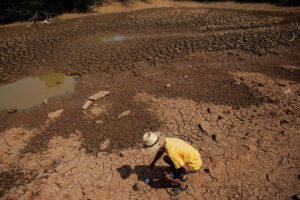
AGRICULTURE SECRETARY Francisco P. Tiu Laurel, Jr. said the Department of Agriculture’s (DA) plans for the looming El Niño will center around irrigation and water impounding projects as well as expanding the cold storage network to preserve the harvest and minimize the need to import. Mr. Laurel said inadequate storage and infrastructure is a major factor in decisions to import produce, even though the Philippines can grow enough onions and carrots to meet domestic demand. Mr. Laurel said storage investment needs to be guided by accurate data on production capacity and post-harvest losses. He said the DA had more time to prepare for El Niño this year compared to other El Niño years. Weather forecasters expected El Niño to peak around November. “Preparedness prevents a challenge from becoming a crisis, and a crisis from deteriorating into a catastrophe. That must be our guiding principle in the months ahead,” Mr. Laurel said in a statement. He noted that some mitigating factors include easing fuel prices and the decline in global fertilizer prices to around $450 per metric ton from $930 at the height of the Persian Gulf crisis, and the expected decline of domestic fertilizer prices to P1,600 per bag by August. — Marron Joshua F. Mendoza Source: BusinessWorld Economy

多角的分析

経済的影響

エルニーニョ現象による農産物価格の高騰は、インフレ圧力となり、フィリピン経済全体に影響を与える可能性がある。特に、食料品価格の上昇は家計を圧迫し、消費支出の低下を招く恐れがある。政府が発表した灌漑設備や冷蔵施設の拡充は、こうしたリスクを軽減し、国内農業の安定化に寄与すると期待されるが、その実行には相当な投資と効率的な運用が不可欠となる。過去のエルニーニョ現象では、輸入依存度の高さが食料安全保障上の脆弱性を露呈した経緯があり、今回の対策は国内生産基盤の強化という点で経済的レジリエンスを高める試みと言える。

投資家心理

エルニーニョ対策としての灌漑・冷蔵施設への投資は、農業関連企業、特にインフラ開発や物流、食品加工分野の企業にとって新たなビジネス機会をもたらす可能性がある。しかし、投資効果の実現には、計画の着実な実行と、気候変動リスクに対する長期的な視点での事業継続計画が求められる。また、農産物価格の変動リスクは、関連企業の収益性に影響を与えるため、投資家は慎重なリスク評価を行う必要がある。国際的な肥料価格の下落は、生産コスト削減に寄与するが、地政学的なリスクや供給網の混乱には引き続き注意が必要である。

社会的影響

エルニーニョ現象は、特に地方の小規模農家や低所得者層に深刻な影響を与える。収穫量の減少は収入の減少に直結し、食料価格の上昇は日々の生活をさらに困難にする。政府の対策が、これらの脆弱な層にどれだけ効果的に届くかが問われる。冷害や水不足による農作物の被害は、食料供給の不安定化を招き、地域社会の生活基盤を揺るがしかねない。冷蔵施設の拡充は、収穫物のロスを減らすことで、農家の手取り収入の安定化に繋がる可能性があるが、その恩恵が広く行き渡るかどうかが重要である。

市民の声

エルニーニョによる農作物への影響は、直接的に食卓に現れます。野菜や果物の価格が上がると、日々の食費が家計を圧迫します。特に、マニラ首都圏の多くの家庭では、輸入品に頼る部分も少なくないので、その影響は避けられません。政府が灌漑や冷蔵施設を拡充してくれるのはありがたいですが、それが本当に私たちのような一般市民の生活を助けるレベルまで恩恵が届くのか、心配な面もあります。食料の安定供給は、私たちの生活の基盤そのものですから。

背景・歴史的文脈

フィリピンは、熱帯低気圧やエルニーニョ・ラニーニャ現象といった気象変動の影響を受けやすい地理的条件にある。過去のエルニーニョ現象(例: 1997-98年、2015-16年)では、深刻な干ばつが農業生産に壊滅的な打撃を与え、食料価格の高騰と輸入依存の増大を招いた。特に、米やトウモロコシといった主食作物への影響は大きく、食料安全保障上の課題が浮き彫りになった。こうした経験から、フィリピン政府はエルニーニョ対策を国家的な優先事項として位置づけ、灌漑施設の整備や貯水能力の向上、そして収穫物の損失を最小限に抑えるための冷蔵・冷凍施設の拡充を、継続的に進めてきた。しかし、予算の制約やインフラ整備の遅れ、地方への普及の難しさなど、依然として多くの課題を抱えている。

原文ソース

BusinessWorld Economy

原文を読む