General articles are free for 24 hours after publish.
Cambodia and ILO Review Mid-Term Progress on DWCP, Push for Stronger Tripartism to Enhance Decent Work
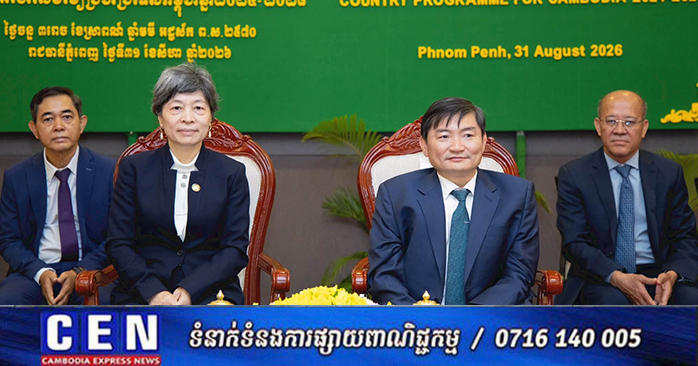
Cambodia's Ministry of Labour and Vocational Training held a mid-term review meeting on the Decent Work Country Programme (DWCP) with the ILO on August 31. The meeting reviewed the achievements of the program, set to run from 2024 to 2028, and aimed to further strengthen tripartite cooperation among workers, employers, and the government to achieve better working conditions.
Phnom Penh, Cambodia – August 31, 2026 – The Ministry of Labour and Vocational Training hosted a national tripartite workshop today to review the mid-term progress of Cambodia's Decent Work Country Programme (DWCP) for 2024-2028. Presided over by Minister Heng Sour, the workshop aimed to share achievements from January 2024 to June 2026, disseminate lessons learned, present priorities for the DWCP in 2026, and strengthen tripartite capacities for more effective implementation and monitoring. Minister Heng Sour lauded the accomplishments of the program, which has seen active and responsible participation from the International Labour Organization (ILO) since its inception. Cambodia is noted as the sole ASEAN nation with such a long and sustained implementation of the DWCP, now in its sixth phase, underscoring the nation's commitment to improving working conditions, occupational safety and health, and professional relations. He emphasized the DWCP's role as a crucial mechanism for gathering stakeholder input, benefiting both workers and employers. The program's success is attributed to close tripartite cooperation that supports policy implementation, contributing to national development goals and Cambodia's vision. Specific achievements include vocational training for over 280,000 youth from disadvantaged backgrounds and an increase in Social Security Fund (BSS) membership to over 3.8 million. Highlighting the program's three key priorities—human capital, economy, and professional relations—the Minister encouraged participants to review shortcomings, improve indicators based on past experiences, and provide input for effective joint solutions. He also called for exploring methods to enhance the implementation mechanisms between government institutions, professional organizations, and employer associations, aligning with global economic trends and the government's 2026 policies, particularly Prime Minister Hun Manet's commitment to supporting Small and Medium Enterprises (SMEs). Regarding professional relations, the Minister stressed enhancing the capacity of Human Resource Managers in enterprises to improve understanding of labor laws, regulations, and dispute resolution, alongside fostering appropriate communication with employees. He expressed confidence that the workshop would foster continued effective tripartite mechanisms for sustainable program implementation, aiming for improved working conditions, living standards, and professional relations. Representatives from the National Trade Union Council for DWCP and the Federation of Employers and Cambodian Chamber of Commerce thanked the Ministry and ILO for their support and pledged continued commitment to the program's goals. Ms. Sreang Chhean, Director of the ILO Country Office for Cambodia, Laos, and Thailand, expressed confidence that strengthening progress, accelerating reforms, and enhancing tripartism and social dialogue in line with international labor standards would lead to better decent work, worker protection, enterprise resilience, and inclusive development. Source: CEN Cambodia
Original source
CEN Cambodia