Nearly 200 Power Firms Face Blacklisting Over Supply Shortages
Infrastructure
2026年6月30日
5
Philstar Business

Nearly 200 Power Firms Face Blacklisting Over Supply Shortages

AI サマリー

The Philippines' Department of Energy is considering blacklisting nearly 175 power producers due to prolonged plant outages and failure to meet committed capacities, straining the nation's electricity system and leading to frequent blackouts. Show cause orders will be issued this week.

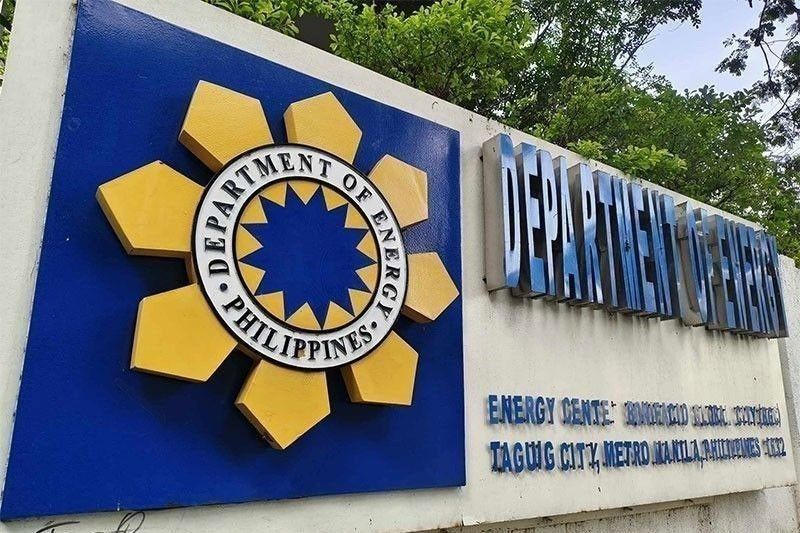
MANILA, Philippines — At least 175 power producers are at risk of blacklisting over prolonged plant outages that have strained the country’s electricity system and triggered blackouts, according to the Department of Energy (DOE). DOE Secretary Sharon Garin said show cause orders (SCOs) would be issued to 164 on-grid and 11 off-grid generation companies (gencos) this week, demanding explanations for forced outages, reduced output, and failure to deliver committed capacities. The violations cover incidents between March 2025 and March 2026, with most SCOs targeting erring gencos in Luzon, where the majority of affected power plants are located. “We will enforce the rules on this because, as we have seen what’s happening in the Visayas, our consumers cannot afford any minute of interruption,” Garin told a media briefing yesterday. She added that power plant outages hit consumers in island and off-grid areas the hardest, as they rely solely on gencos for electricity supply amid the lack of grid connections. The shutdown of multiple power plants was felt most during the dry season, when extreme heat further intensified electricity demand and worsened grid conditions, triggering recurring alerts nationwide. Luzon and the Visayas simultaneously faced a string of yellow and red alerts in May, leading to rotational brownouts lasting up to seven hours, while Mindanao recorded its first yellow alert in June. Power strain continues to persist in the Visayas, where several major coal-fired plants remain offline. A yellow alert is raised when power reserves fall to low levels. If conditions worsen, it escalates to a red alert, which is issued when electricity supply is no longer enough to meet consumer demand. Garin warned that the issuance of SCOs is “just the start,” stressing that gencos found in violation could face permit revocation. DOE legal officer Gabriel Corpuz said the agency could go even further by blacklisting non-compliant gencos and barring them from joining government-approved auction programs for power supply deals. Corpuz cited the DOE circular outlining the accountability policy for entities engaged in power generation as the legal basis for the possible sanctions. “Although power generation is no longer a public utility, it is still subject to the Public Service Act. That’s why the DOE is holding them accountable for deficiencies,” he told reporters. Garin, meanwhile, clarified that the issuance of SCOs does not imply liability, noting that the agency still needs to assess the companies’ explanations and performance before taking further action. Asked about the identities of the gencos, the energy chief said the DOE is “not at liberty to give the names yet” to avoid any complications.

多角的分析

経済的影響

フィリピンの電力供給能力の不足は、経済活動の根幹を揺るがす重大なリスク要因である。特に、産業活動が集中するルソン島での停電は、製造業やサービス業の生産性低下、ひいてはGDP成長率の鈍化に直結する。電力料金の上昇圧力も懸念され、インフレを加速させる可能性もある。海外からの投資誘致においても、安定した電力供給は不可欠なインフラであり、今回の問題はフィリピン経済の長期的な競争力に影を落とす可能性がある。

投資家心理

電力供給の不安定さは、フィリピンにおけるインフラ投資、特にエネルギー分野への投資リスクを増大させる。発電事業者は、予期せぬプラント停止や政府による規制強化のリスクに直面しており、新規投資の判断を慎重にせざるを得ない。また、電力不足は産業界全体の収益性を低下させるため、フィリピン株式市場全体への投資意欲にも影響を与える可能性がある。投資家は、電力会社だけでなく、電力不足の影響を受けやすいセクターへの投資についても、リスク評価を再検討する必要がある。

社会的影響

電力供給の不安定さは、国民生活に直接的な影響を与える。特に、地方やオフグリッド地域では、停電が日常生活、医療、教育活動を困難にする。乾季の酷暑期における停電は、熱中症のリスクを高めるだけでなく、家庭での冷房利用を妨げ、経済的負担を増大させる。また、電力不足は、BPO(ビジネス・プロセス・アウトソーシング)産業など、電力依存度の高い産業で働く人々の雇用や収入にも間接的な影響を及ぼす可能性がある。マニラ首都圏でのローテーション停電は、日々の生活リズムを乱し、市民の不満を高める要因となる。

市民の声

今回の電力供給問題は、フィリピン国民の日常生活に深刻な影響を与えています。特に、停電が頻発する地域では、家庭での冷房利用が制限され、暑さによる健康被害や、在宅勤務・学習の困難さが懸念されます。また、電力料金の上昇は、家計を圧迫する要因となり得ます。過去の乾季における電力不足の経験から、国民は夏の電力需要の増加とそれに伴う停電のリスクを常に意識しており、不安を感じています。発電事業者への処分だけでなく、政府には安定供給に向けた抜本的な対策が求められています。

背景・歴史的文脈

フィリピンにおける電力供給問題は、長年にわたるインフラ投資の遅れ、エネルギーミックスの偏り(石炭火力への依存)、そして規制当局の監督能力の課題が複合的に絡み合っている。特に、2025年から2026年にかけての違反行為を対象としている点は、過去の電力不足の経験を踏まえ、DOEがより厳格な対応を求めていることを示唆する。2023年には、エルニーニョ現象による干ばつが水力発電に影響を与え、電力不足が深刻化した事例もあり、気候変動の影響も無視できない要因となっている。これらの背景から、今回の措置は、単なる罰則ではなく、電力供給の安定化に向けた政府の決意表明と捉えることができる。

原文ソース

Philstar Business

原文を読む