General articles are free for 24 hours after publish.
Indonesia's 'Queen of Spices' Cardamom: Its Untold Value
Cardamom cultivated in Indonesia is known as the 'Queen of Spices' due to its aroma and economic value. Two main varieties, the endemic Javanese cardamom and the stronger-scented Sabrang cardamom, are used in diverse sectors including food, beverages, traditional medicine, and perfumes.
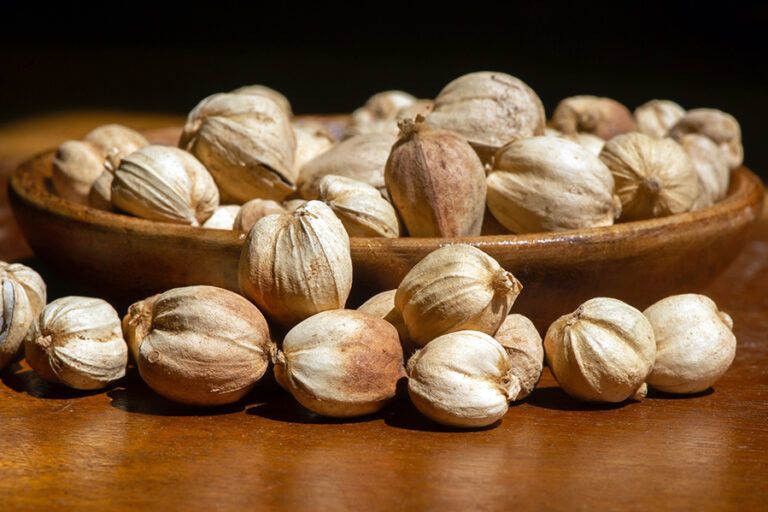
Cardamom, cultivated in Indonesia, is dubbed the 'Queen of Spices' for its significant value and aromatic properties, despite its small size. This distinctive spice is utilized across a wide range of sectors, including cuisine, beverages, traditional medicine, pharmaceuticals, and even the perfume industry. Globally, there are approximately 150 to 180 varieties of cardamom. In Indonesia, two main types are primarily cultivated. The first is 'Cardamom Jawa' (Amomum compactum), endemic to West Java, which has white fruits and a spherical shape. It contains about 2–3.5 percent essential oil and has a relatively mild aroma. The second is 'Cardamom Sabrang' (Elettaria cardamomum), characterized by its green, oval-shaped fruits. It boasts a higher essential oil content, around 5–8 percent, and a more robust fragrance. The value of cardamom stems from its diverse applications. In cooking, its unique aroma is highly prized and difficult to substitute with other spices, securing its position as the world's third most expensive spice after saffron and vanilla. Its seeds contain active compounds such as cineole, terpenes, terpineol, and borneol. The essential oil is used as a flavoring agent in food, beverages, fragrances, pharmaceuticals, and herbal products. Its efficacy has also been recognized in traditional medicine for a long time. Information Source: Mongabay Indonesia
Original source
Mongabay Indonesia