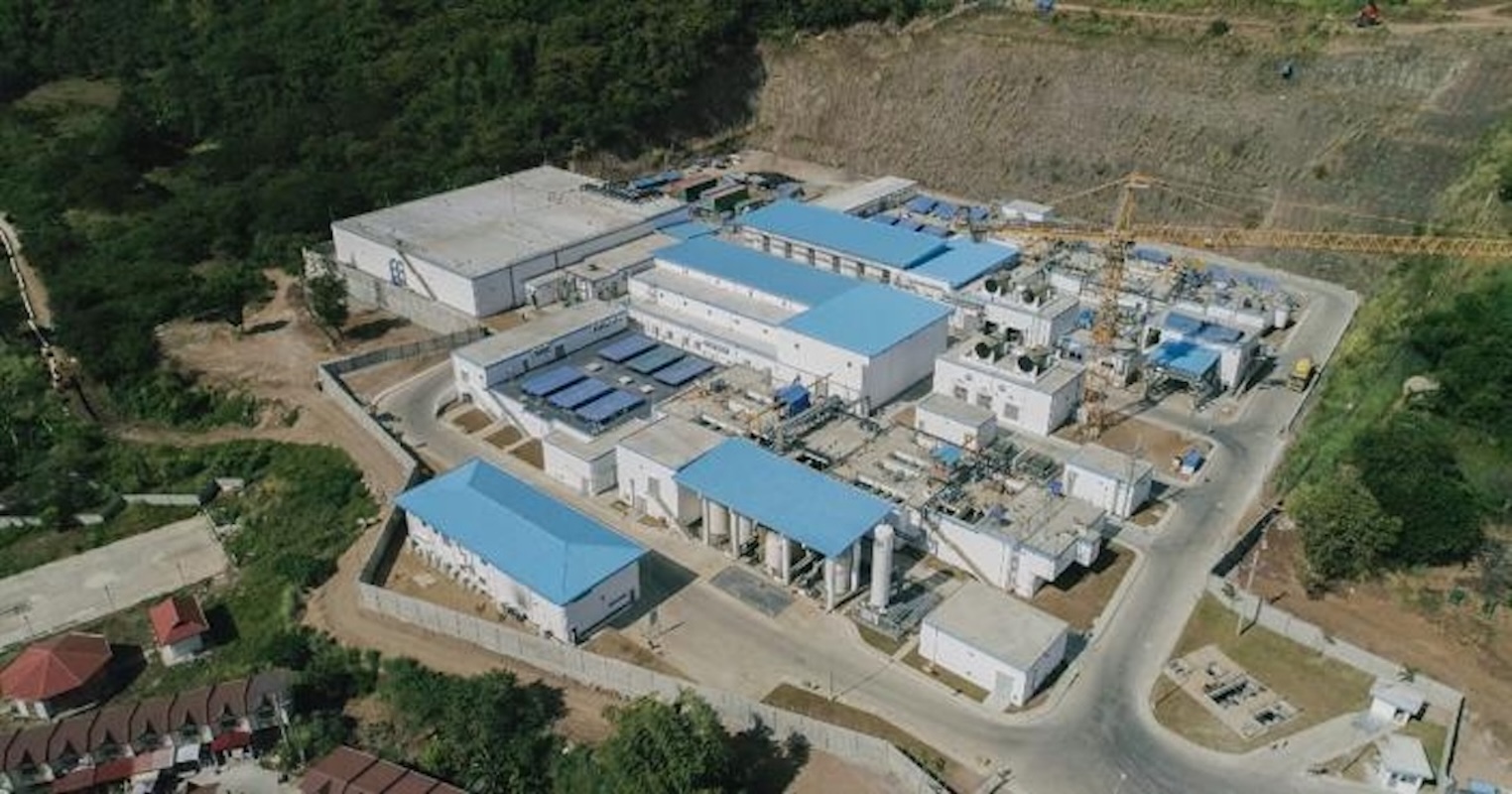
Manila Water Bolsters Supply with Laguna Lake Treatment Plant, Securing Rizal's Water Needs
Manila Water is enhancing its water supply reliability for the East Zone, including Rizal province, by maximizing the capacity of its Cardona Water Treatment Plant, which utilizes Laguna Lake as a raw water source. This initiative aims to reduce dependence on Angat Dam and ensure stable water provision amidst climate change challenges.
MANILA, Philippines — As Manila Water continues to strengthen water supply reliability amid El Niño and other climate-related challenges, the Cardona Water Treatment Plant plays a vital role in the company’s diversified water source strategy. By harnessing Laguna Lake as an additional raw water source, the facility helps reduce dependence on Angat Dam and supports the delivery of 24/7 water service to 7.9 million customers across the East Zone, including communities in Rizal that previously relied largely on the Angat system. Beginning construction in 2016, the P6-billion Cardona Water Treatment Plant and its transmission system were developed to reduce dependence on Angat Dam by utilizing Laguna Lake as an additional raw water source. READ: Manila Water better prepared than ever for strong El Niño Located in Cardona, Rizal, the facility draws water from the central portion of Laguna Lake and serves as one of Manila Water’s major investments to enhance long-term water security. The facility currently supplies up to 100 million liters per day (MLD) of treated water following capacity maximization initiatives, benefiting approximately 800,000 residents in Rizal Province and nearby communities. By providing a reliable alternative source of water, the plant helps ease pressure on Angat Dam, particularly during periods of high demand and reduced reservoir levels brought about by prolonged dry weather conditions. “The Cardona Water Treatment Plant plays an important role in our efforts to diversify water sources and maintain reliable service for our customers. By investing in facilities like Cardona, we are able to strengthen our water supply system, reduce dependence on a single source, and better meet the growing needs of the communities we serve,” said Manila Water Corporate Communications Department Head Dittie Galang. READ: East Bay Ph1 facility strengthens Manila Water’s water reserves Further enhancing the efficiency of the Cardona Water Treatment Plant is its Backwash Water Recovery System, which recovers up to 6 million liters per day (MLD) of backwash water and reintroduces it into the treatment process as raw water. By maximizing available water resources and reducing wastage, the system supports Manila Water’s water security strategy while reinforcing the Company’s commitment to environmental stewardship through efficient and sustainable water treatment solutions. Through a combination of new water source development, facility optimization, and innovative water recovery initiatives, Manila Water continues to reinforce its commitment to providing reliable, uninterrupted water service while reducing dependence on a single source of supply. These efforts form part of the Company’s long-term strategy to ensure water availability for present and future generations amid increasing demand and a changing climate.
多角的分析
カルドーナ浄水場の能力最大化は、マニラ・ウォーターの運営コスト削減に寄与する可能性がある。アンガットダムへの依存度低下は、ダムの水位変動リスクや、それに伴う水質管理・浄水コストの変動要因を軽減する。また、ラグナ湖という新たな水源の活用は、将来的な水価格の安定化に繋がり、消費者物価への影響を抑制する効果が期待できる。さらに、水資源の効率的な利用は、インフラ投資の最適化にも繋がり、長期的な経済的持続可能性を高める。
このニュースは、マニラ・ウォーターへの投資家にとって、同社が水供給の安定化とリスク分散に積極的に取り組んでいる証拠となる。ラグナ湖という代替水源の確保は、気候変動やエルニーニョ現象による供給途絶リスクを低減させ、収益の安定化に寄与する。バックウォッシュ水回収システムのような革新的な取り組みは、運用効率の向上とコスト削減を示唆し、企業価値向上に繋がる可能性がある。長期的な視点では、人口増加と都市化が進むフィリピンにおいて、水インフラへの投資は成長分野として魅力的である。
リサール州の約80万人の住民にとって、カルドーナ浄水場の能力向上は、24時間365日の安定した水供給という生活の基盤の強化を意味する。これまでアンガットダムの水に依存していた地域では、供給不足や水質への不安が軽減されるだろう。また、水資源の持続可能な利用は、将来世代への影響も考慮した公共サービス提供の姿勢を示しており、地域社会の安心感に繋がる。しかし、ラグナ湖の水質管理や、水利用に関する地域住民との合意形成が、今後の課題となる可能性も指摘できる。
フィリピン市民、特にマニラ首都圏とその周辺地域に住む人々にとって、水は生活の最も基本的な要素である。カルドーナ浄水場の能力増強は、過去の断水や水不足の経験を持つ多くの市民にとって、安心材料となる。エルニーニョ現象のような気候変動の影響が現実のものとなる中で、単一水源への依存を減らすという戦略は、将来的な水供給の安定化への期待を高める。これにより、日々の生活における水へのアクセスが改善され、衛生状態の向上や、家計における水関連費用の予測可能性向上に繋がるだろう。
背景・歴史的文脈
フィリピン、特にマニラ首都圏の水供給は、長らくアンガットダムに大きく依存してきた。しかし、エルニーニョ現象による降雨量の減少や、人口増加に伴う需要の増大は、アンガットダムの水位低下リスクを顕在化させてきた。この状況に対応するため、マニラ・ウォーターは、ラグナ湖のような代替水源の活用や、既存施設の効率化、さらにはバックウォッシュ水回収システムのような革新的な技術導入を進めている。カルドーナ浄水場の建設・拡張は、こうした多様化戦略の一環であり、気候変動や人口増加といった構造的な課題に対処するための、同社の長期的な取り組みを示している。
原文ソース
Inquirer NewsInfo