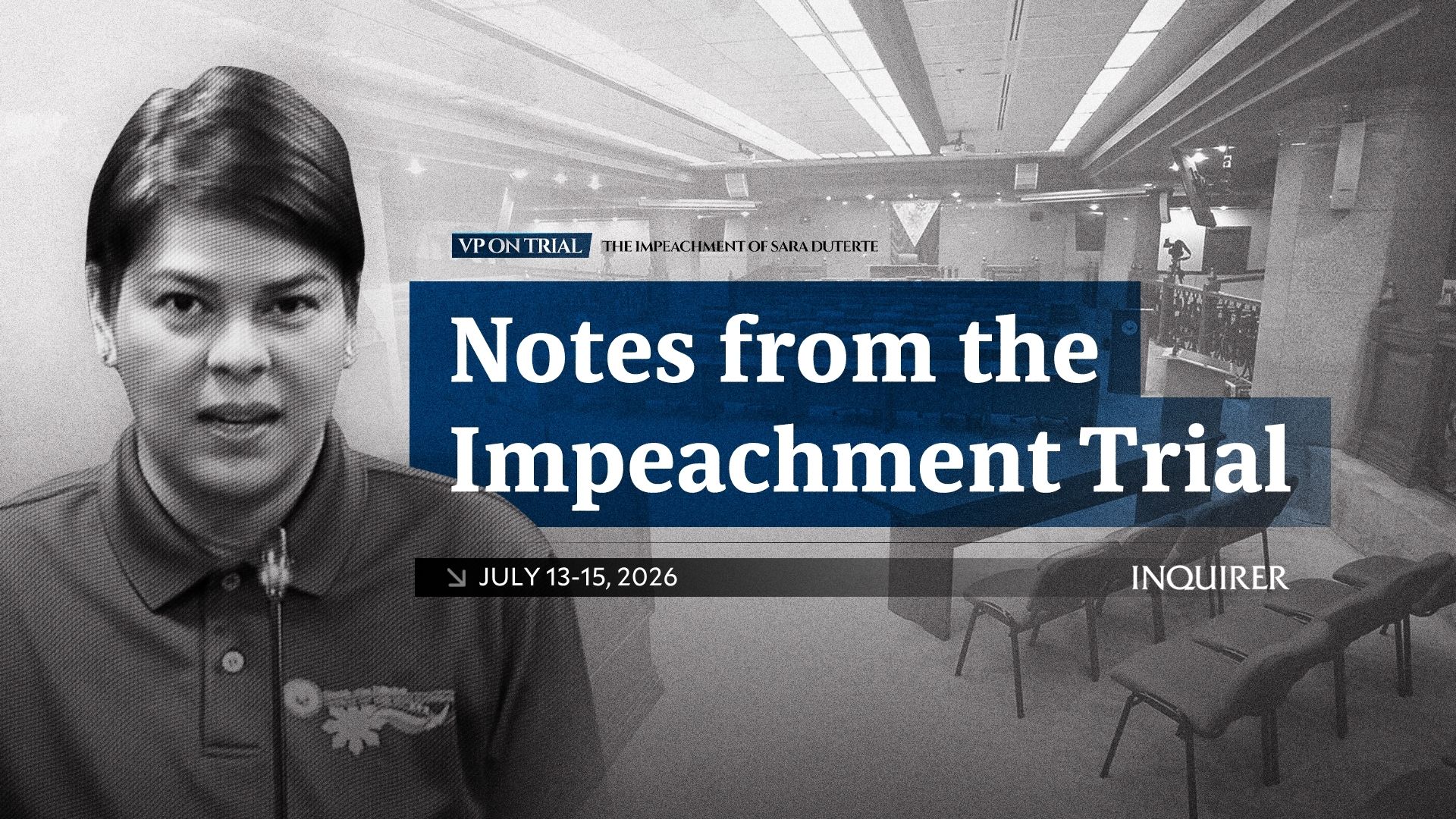
Sara Duterte Impeachment Trial: Legal Battle Over Financial Records Intensifies
The impeachment trial of Philippine Vice President Sara Duterte saw an intensified legal battle this week over access to her financial records. Prosecutors are seeking the submission of evidence to probe her unexplained wealth, while the defense argues it violates her rights. The court has deferred its ruling.
MANILA, Philippines – The impeachment trial of Vice President Sara Duterte shifted focus this week from witness testimony to a key legal battle over access to her financial records. Senator-judges heard oral arguments on whether to subpoena her bank accounts, tax returns, and Anti-Money Laundering Council (AMLC) documents in connection with Article II of the Articles of Impeachment, which alleges unexplained wealth and undeclared assets. The impeachment court deferred its ruling until July 20, saying it needed more time to study the legal issues raised by both the prosecution and the defense. The prosecution argued that the records are crucial in proving allegations of unexplained wealth under Article II of the impeachment complaint, while the defense maintained that the request amounts to a “fishing expedition” that violates Duterte’s rights to confidentiality and due process. The week also saw the prosecution streamline its witness list for the grave-threats charge, leaving only NBI Director Melvin Matibag to complete the presentation of evidence under Article IV. Outside the courtroom, developments surrounding the impeachment trial continued to generate political ripples. A newly announced NBI probe into the 2019 SEA Games sports complex drew criticism from senator-judges Alan Peter and Pia Cayetano, while the Supreme Court cleared three personalities cited for indirect contempt over comments on the impeachment proceedings. The outcome of this trial could have implications for the stability of the Duterte administration, anti-corruption efforts, and the broader political dynamics in the Philippines. Specifically, allegations of unexplained wealth could raise concerns about public trust and transparency.
多角的分析
弾劾裁判における金融記録へのアクセスを巡る法廷闘争は、副大統領の財政状況の透明性に対する国民の懸念を浮き彫りにしている。もし説明責任のない富が証明されれば、経済政策や財政規律への信頼に影響を与え、投資家のセンチメントを悪化させる可能性がある。これは、フィリピン経済が直面するインフレや景気減速といった既存の課題をさらに悪化させる要因となりうる。
副大統領の金融記録へのアクセスを巡る法廷闘争は、フィリピンの政治的リスクを高める要因となる。投資家は、政治的安定性の低下や政策の不確実性から、オフショアへの資金移動や新規投資の延期を検討する可能性がある。特に、汚職や説明責任の欠如といった疑惑は、長期的な外国直接投資(FDI)の誘致に悪影響を及ぼす。
副大統領の弾劾裁判における金融記録の開示を巡る攻防は、フィリピン社会における説明責任と透明性への強い要求を反映している。国民は、公職者の財産開示を通じて、不正蓄財や腐敗がないことを確認したいと考えている。この裁判の結果は、国民の政治への信頼、特に地方政治家や中央政府の公職者に対する信頼に直接的な影響を与えるだろう。
副大統領の金融記録へのアクセスを巡る裁判は、マニラ首都圏の市民にとって、日々の生活に直結する問題ではないものの、政治への関心を高めるきっかけとなっている。特に、説明責任のない富という疑惑は、税金がどのように使われているのか、そして公職者が国民のために奉仕しているのかという疑問を抱かせる。もし不正が明らかになれば、公共サービスへの不満や、政治家への不信感が増大する可能性がある。
背景・歴史的文脈
フィリピンでは、公職者の説明責任と透明性は、長年にわたり国民の関心事となっている。過去にも、高官の汚職疑惑や不正蓄財疑惑が浮上し、政治的混乱を招いた事例が複数存在する。特に、弾劾裁判は、元々、汚職や反逆罪などの重大な不正行為を行った大統領や副大統領を罷免するための制度として導入された。今回のサラ・ドゥテルテ副大統領に対する弾劾裁判は、説明責任のない富という疑惑に焦点を当てており、過去の同様のケースを踏まえ、国民の厳しい視線にさらされている。これは、フィリピンの政治文化における、権力と市民の監視という構造的な対立を反映している。
原文ソース
Inquirer NewsInfo