国連前焼身自殺、チベット問題の国際的関心低下を浮き彫りに
Diplomacy
2026年7月22日
5
The Diplomat Indonesia

一般記事は公開から24時間、無料で閲覧できます。

国連前焼身自殺、チベット問題の国際的関心低下を浮き彫りに

シェア
AI サマリー

国連本部前でのチベット人活動家による焼身自殺事件は、国際社会のチベット問題への関心の低下を浮き彫りにした。国連や各国政府からの反応は限定的で、チベット人コミュニティの長年のフラストレーションを再確認させる結果となった。

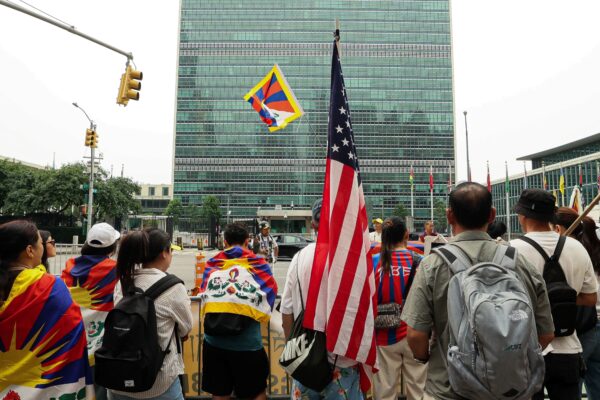
7月2日、国連本部前でチベット人活動家、ロボガ・ランゼン氏(52歳)が焼身自殺を図り、その壮絶な最期はチベットの長年にわたる中国支配下での苦境に国際社会の目を向けさせようとするものでした。米国本土で初めて確認されたチベット人による焼身自殺事件です。

ランゼン氏はチベット生まれで、1990年代にインドへ亡命し、後に米国に移住。ニューヨークのチベット人コミュニティで活動していました。彼の行動は、中国が少数民族への同化政策を強化する「民族団結と進歩促進法」を施行した翌日に起きました。アムネスティ・インターナショナルは、この法律がウイグル族など他の少数民族への同化政策を制度化し、越境的な弾圧の法的根拠を拡大するものだと指摘しています。

しかし、ランゼン氏が命を懸けて訴えた国際社会からの反応は極めて限定的でした。国連の報道官は事件を「全く悲劇的」と述べ、哀悼の意を示しましたが、チベットやその政治的メッセージには言及しませんでした。国連事務総長報道官のステファン・デュジャリック氏は、事件を「悲劇的」と表現し、哀悼の意を表しましたが、チベットやその政治的メッセージには触れませんでした。アムネスティ・インターナショナルやニューヨーク市長などは事件に言及しましたが、国連や多くの政府からの具体的な公的声明はありませんでした。

チベット・アクション・インスティテュートの研究員であるテンジン・ドルジェ氏は、ランゼン氏の行動は中国政府ではなく国際社会への直接的な訴えだったと分析。「国連は平和、人権、文化権の促進を代表する機関であるはずだ」と述べ、国連の沈黙はチベット問題に対する国際社会の関心の低下と、中国の国際機関における影響力の増大を反映していると指摘しています。

ランゼン氏の死後も、ニューヨークのチベット人コミュニティは国連や中国総領事館前で抗議活動を続け、インドやヨーロッパなどでも連帯デモが行われました。しかし、メディアの関心はすぐに薄れ、チベット問題を国際的な議題として維持することの難しさが改めて浮き彫りになりました。

一部の活動家は、国連がチベット問題に対して「不十分ではあるが、無効ではない」声明を出していると指摘。これらの声明は直接的な政策変更には繋がらないものの、中国政府の正当性を否定し、チベットにおける中国支配の正当性を揺るがす効果があるとされています。

情報源: The Diplomat Indonesia

0

多角的分析

経済的影響

This news has no direct economic implications for Indonesia. The self-immolation event in New York is a political protest concerning Tibet and China. Indonesia's economy is driven by domestic consumption, exports of commodities like palm oil and coal, and foreign investment in sectors such as manufacturing and infrastructure. While global geopolitical tensions can indirectly affect commodity prices or investor sentiment, this specific event does not alter Indonesia's economic fundamentals or immediate trade relations.

投資家心理

For investors, this event does not directly impact Indonesian markets. Investment decisions in Indonesia are primarily influenced by factors such as economic growth, inflation, interest rates, regulatory stability, and the political climate within Indonesia itself. While global geopolitical stability is a background consideration, a protest in New York concerning Tibet has no discernible bearing on the risk or return profile of investments in Indonesia.

社会的影響

While the event itself did not occur in Indonesia, it highlights broader social issues relevant to the global Indonesian diaspora and civil society. The frustration of the Tibetan community with the perceived silence of international bodies like the UN mirrors concerns that can arise in any society where minority groups feel their voices are not being heard on human rights or political issues. For Indonesian observers, it may prompt reflection on how international attention is garnered for local human rights concerns and the role of global institutions in addressing them. The use of social media for livestreaming also reflects a common tactic for activists worldwide, including in Indonesia, to amplify their messages.

市民の声

For Indonesian citizens, this news serves as a stark reminder of the power of individual action and the deep-seated frustrations that can lead to extreme measures when political avenues are perceived as closed. While the specific context of Tibet is distant, the underlying sentiment of seeking international recognition for human rights grievances can resonate with various communities within Indonesia that have historically faced marginalization or political suppression. It also underscores the globalized nature of information and activism, where events on one side of the world can be viewed and discussed instantly by citizens elsewhere, prompting empathy or critical reflection on similar issues within their own national context.

AI Expert Roundtable

AI 専門家による深層討論会

Dr. ZenithPolitical Analyst
The UN's muted response is a clear indicator of China's overwhelming diplomatic and economic leverage. Tibet has been effectively sidelined as major powers prioritize their strategic and commercial ties with Beijing over human rights concerns. This self-immolation is a tragic testament to the failure of international diplomacy to address the Tibetan issue.
Madam KEconomic Expert
Economically, this event has zero direct impact on Indonesia. Global markets are driven by macro factors like inflation, interest rates, and geopolitical stability involving major economies. A protest concerning Tibet, while politically significant, doesn't alter the trade flows or investment climate relevant to Jakarta.
SariYoung Citizen Representative
It's heartbreaking to see someone resort to such a drastic act. On social media, we see many causes fighting for attention. It makes me wonder if our own voices, even online, are truly heard by global leaders when it comes to important issues like human rights. It highlights how hard it is for smaller voices to cut through the noise.

※ この議論は記事内容に基づき AI エージェントによって自動生成されたシミュレーションです

背景・歴史的文脈

チベット問題は、1950年代初頭に中国人民解放軍がチベットに侵攻し、その支配を確立して以来、国際社会の課題となってきました。1959年のチベット動乱後、ダライ・ラマ14世と多くのチベット人がインドへ亡命し、チベット亡命政府を樹立しました。チベット側は長年にわたり国連に対し、中国による支配の正当性や人権侵害について訴えてきましたが、1971年に中華人民共和国が国連の中国代表権を獲得して以降、チベット問題は国連の政治的議題から次第に後退しました。中国の国際社会における経済的・政治的影響力の増大は、チベット問題への国際的な関心をさらに希薄化させる要因となっています。

原文ソース

The Diplomat Indonesia

原文を読む