Metro Manila Water Supply Seen Adequate Ahead of El Niño
Metro Manila water concessionaires are implementing measures to stabilize water supply ahead of El Niño's impact, which has led to reduced levels at Angat Dam. They are enhancing supply capacity through additional sources and reduced water losses.
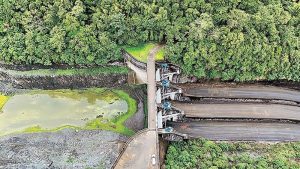
WATER CONCESSIONAIRES serving Metro Manila said they are ensuring they can tap water reserves ahead the onset of El Niño, as low water levels at Angat Dam led to the reduction of the water allocation for the capital. Maynilad Water Services, Inc. and Manila Water Co., Inc. told customers that they expect their supply to be reliable after they took steps to build up their buffers. Christopher Jaime T. Lichauco, chief operating officer of Maynilad, said the company has been preparing for El Niño, which brought Angat Dam to record low levels in 2019. “The Maynilad system today has more buffers than it had in 2019. Angat Dam remains our main raw water source, but we now have more supplemental sources, lower water losses, expanded storage, and improved network management capabilities to help manage tighter raw water conditions,” he said in a statement. Maynilad, which provides water and wastewater services to 10.5 million people in Metro Manila’s west zone, said it has expanded its water treatment capacity and diversified its sources of supply. It added that its Laguna de Bay facilities now produce 450 million liters per day (MLD), while overall capacity has increased since 2019 through new plants, deep wells, and the NEW WATER program, which safely converts treated wastewater into drinking water. The company has also improved storage and reduced water losses. Reservoir capacity has increased, with more projects underway, while efforts to cut non-revenue water have recovered significant volumes of supply. “While the severity and duration of El Niño will ultimately depend on weather patterns and raw water availability, we will continue to implement appropriate measures to protect service reliability as conditions evolve,” Mr. Lichauco said. Meanwhile, Manila Water assured its over 7.8 million customers in the east zone of 24/7 water supply even should Angat Dam cut its allocation further. Manila Water said infrastructure investments have helped it reduce its dependence on Angat Dam. It can now tap Upper Wawa Dam and Tayabasan Weir, which can deliver up to 710 MLD. Both can serve as buffers when raw water supply is restricted. The Calawis Water Supply System Phase 1 can also provide up to 80 MLD. Beyond Angat Dam, Manila Water said it is delivering water from the Cardona Water Treatment Plant and the East Bay Phase 1 Treatment Plant, which draw water from Laguna de Bay. “With these infrastructure investments to provide additional water supply in place, our customers can continue to enjoy 24/7 water service despite the lower allocation from Angat Dam brought about by the El Niño phenomenon,” Manila Water Corporate Communication Group Head Dittie Galang said. “The company is also continuing to enhance these efforts to secure water supply in the long term, with more water supply projects already in the pipeline,” she added. The National Water Resources Board reduced the allocation to the service providers to 48 cubic meters per second (cms) from the usual 52 cms after the water level in Angat dropped below the critical level of 160 meters. As of early Wednesday, the water level in Angat Dam decreased to 159.90 meters from 159.95 meters a day earlier. — Sheldeen Joy Talavera
多角的分析
エルニーニョによる水不足は、農業生産への打撃を通じてインフレ圧力となり得る。特に米の生産に影響が出れば、食料価格の上昇を招き、家計の購買力を低下させる可能性がある。水事業者のインフラ投資は、こうした経済的ショックへの耐性を高める上で重要である。
水インフラへの投資は、長期的な視点で見れば安定した収益が見込める。しかし、エルニーニョのような気象リスクは、事業運営に不確実性をもたらす。投資家は、水資源管理能力、代替水源の確保、そして政府の規制動向を注視する必要がある。
水不足は、特に低所得者層の生活に直接的な影響を与える。給水制限は、衛生状態の悪化や、水汲みに費やす時間の増加を招き、女性や子供への負担増につながる可能性がある。水事業者の備えは、こうした社会的な摩擦を緩和する上で不可欠である。
マニラ首都圏の市民は、エルニーニョによる水不足の懸念に直面している。水事業者が進める水源の多様化や水ロス削減は、日々の生活用水の安定供給に直結する。しかし、将来的な水不足への不安は依然として存在し、より持続可能な水資源管理策が求められている。
背景・歴史的文脈
フィリピンでは、首都圏マニラへの主要な水源であるアン・ダムの水位が、エルニーニョ現象による降雨量減少や、増加する人口と産業活動による水需要の増大に直面し、しばしば低下する。2019年のエルニーニョでは、アン・ダムの水位が過去最低を記録し、広範な給水制限を引き起こした。この経験から、水事業者は水源の多様化、水処理能力の向上、水ロスの削減、そして貯水容量の拡大といった対策を強化してきた。これらの取り組みは、将来的な水不足リスクへの対応能力を高めることを目的としている。
原文ソース
BusinessWorld Economy