Cambodia Directs Slaughterhouses to Ensure Hygiene for Environmental and Public Health Protection
The Kampong Speu Provincial Department of Agriculture, Forestry, and Fisheries in Cambodia has instructed slaughterhouses across the province to strictly manage waste and maintain hygiene. This measure aims to protect the environment, public health, and minimize impact on local residents' lives.
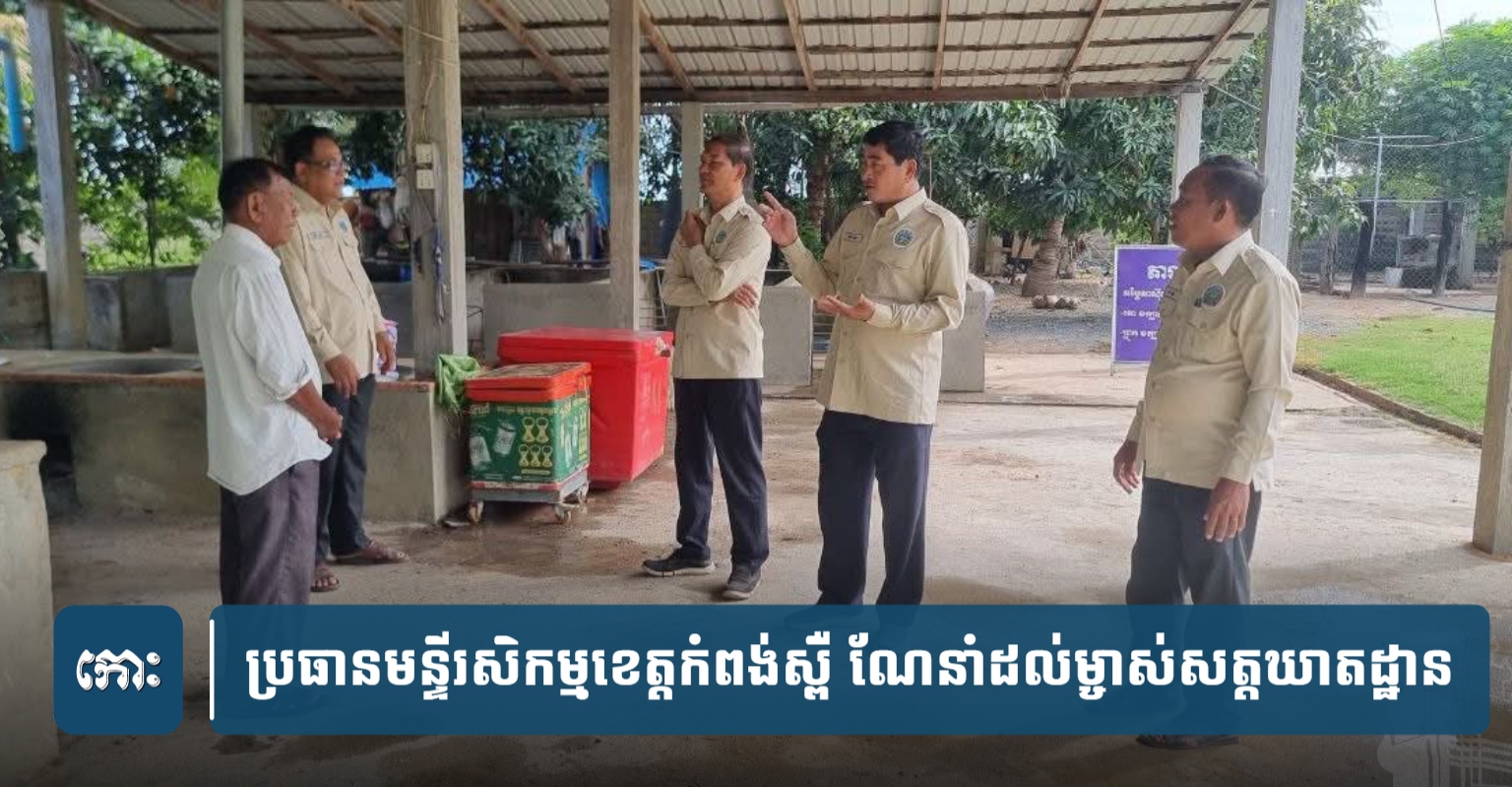
Kampong Speu Provincial Department of Agriculture, Forestry, and Fisheries Director, Yim Non, has instructed all slaughterhouse owners in the province to pay close attention to waste management and sanitation, both inside and around their facilities, to protect the environment and public health. This directive was made during an inspection of the progress at slaughterhouses under the purview of the Provincial Department of Production and Animal Health on July 1, 2024. The inspection aimed to improve techniques and sanitation at several slaughterhouses located in Kong Pisei, Samrong Tong, and Baseth districts, with the participation of approximately ten individuals, including slaughterhouse owners. Director Yim Non stated that following the inspection, the specialists advised all slaughterhouse owners to prioritize waste management and sanitation within and around their premises to safeguard the environment and public health, and to avoid impacting the lives of residents in the area. This initiative is part of broader efforts in Cambodia to ensure the sustainability of the meat processing industry and to enhance public health standards. As the country experiences rapid urbanization and population growth, food safety and the prevention of environmental pollution have become pressing concerns.
多角的分析
食肉処理場における衛生管理の強化は、初期投資や運営コストの増加につながる可能性がある。しかし、長期的には、食品安全基準の向上は、消費者の信頼獲得、輸出市場へのアクセス拡大、そして食中毒などの公衆衛生上の問題による経済的損失の削減に貢献すると考えられる。特に、カンボジア経済が観光業や製造業に依存する中、農畜産業における衛生管理の向上は、サプライチェーン全体の信頼性を高める上で重要である。
食肉処理場への衛生管理強化の指示は、業界全体の基準引き上げを示唆する。これは、衛生管理設備への追加投資を必要とするため、短期的には一部事業者の収益性を圧迫する可能性がある。しかし、投資家にとっては、環境基準や衛生基準を遵守する企業への投資は、ESG(環境・社会・ガバニュアンス)投資の観点から魅力的であり、長期的なリスク低減と企業価値向上につながると評価できる。特に、国際的な食品安全基準への適合は、海外からの直接投資を呼び込む上で有利に働く。
食肉処理場からの不適切な廃棄物処理は、地域住民の健康被害、水源汚染、悪臭などの問題を引き起こす。今回の衛生管理強化の指示は、こうした地域社会の生活環境の改善に直接的に寄与する。特に、処理場周辺に居住する住民にとって、公衆衛生の向上は生活の質を高める上で不可欠であり、環境汚染による健康リスクの低減が期待される。また、食品安全への意識向上は、消費者全体の健康増進にもつながる。
食肉処理場周辺に住む市民にとっては、悪臭や汚染水の流入といった日常生活への影響が懸念される。今回の指示は、これらの問題の改善につながる可能性があり、より清潔で健康的な生活環境の実現が期待される。また、食肉の安全性に対する懸念も軽減されるだろう。一方で、衛生管理強化に伴うコスト増が食肉価格に転嫁される可能性も考慮する必要がある。
背景・歴史的文脈
カンボジアでは、急速な経済発展と都市化に伴い、環境問題や公衆衛生への懸念が高まっている。特に、食品生産・加工分野における衛生管理は、国民の健康と国際的な信頼を得る上で重要な課題となっている。過去には、不適切な衛生管理による食品汚染や環境汚染の事例が報告されており、政府はこれらの問題に対処するため、関連法規の整備や指導の強化を進めている。今回の指示は、こうした背景を踏まえ、地方レベルでの具体的な対策を促すものと言える。
原文ソース
Koh Santepheap Khmer