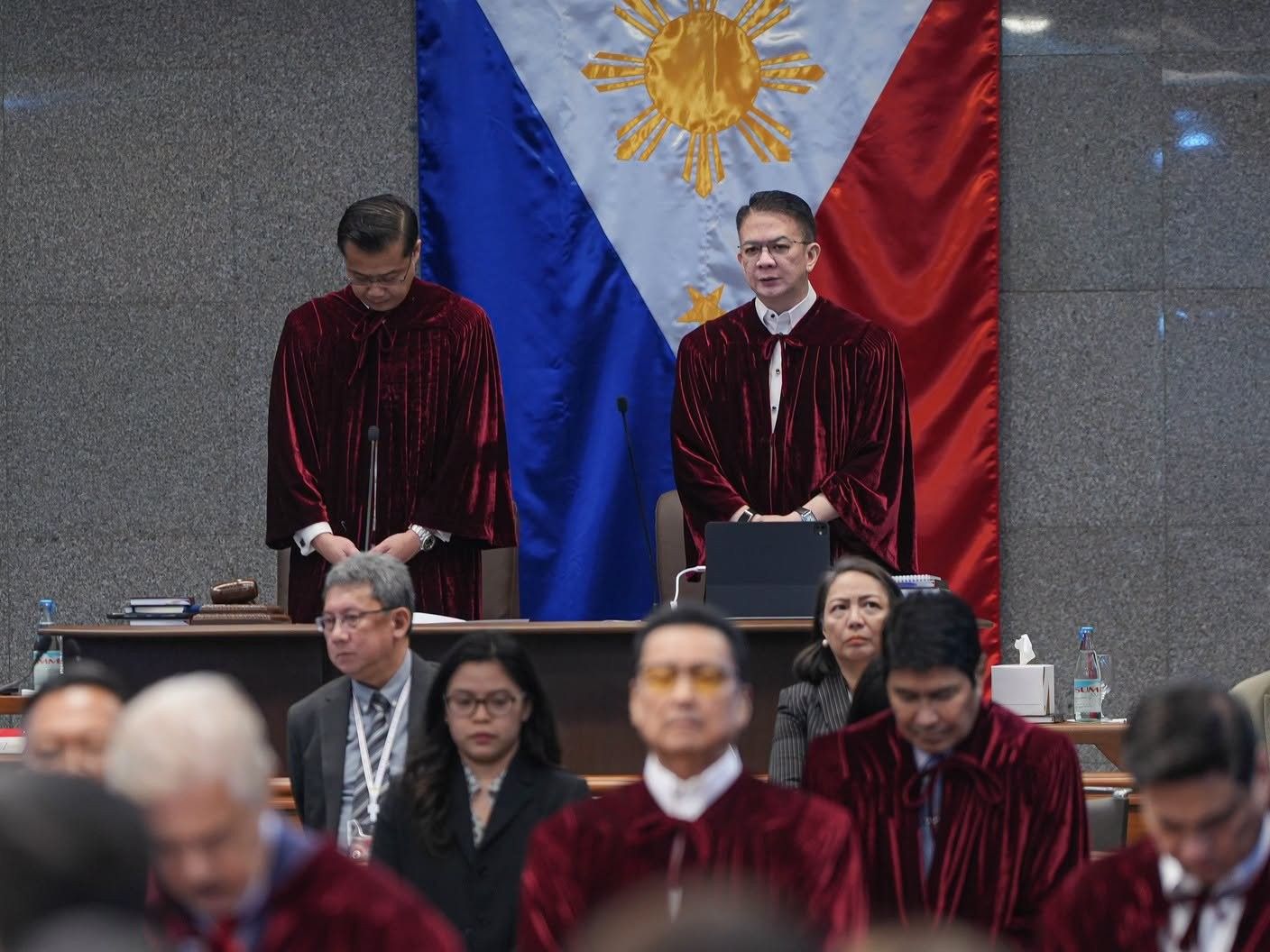
Lawyers Challenge Escudero's Authority in VP Duterte Impeachment Trial
A group of lawyers has challenged Senator Francis Escudero's authority to preside over the impeachment trial of Vice President Sara Duterte, filing a petition with the Supreme Court. They argue his leadership suffers from "constitutional infirmity" and risks invalidating the proceedings.
MANILA, Philippines — A group of petitioners has formally assailed the authority of Sen. Francis Escudero to preside over the impeachment trial of Vice President Sara Duterte, arguing that his leadership of the tribunal is rooted in "constitutional infirmity." In a petition filed on July 6, the group, which includes lawyer Israelito Torreon and other individuals, warned that the trial's current trajectory under Escudero's direction puts the entire proceeding at risk of being declared null and void. The group asked the Supreme Court to issue a Status Quo Ante Order or a temporary restraining order to pause the proceedings, arguing that the trial is currently being overseen by a presiding officer who lacks valid constitutional authority. According to the petitioners, the deliberations of the 1986 Constitutional Commission show that the framers explicitly intended for the sitting Senate president to preside over all impeachment proceedings, except when the president of the Philippines is on trial, during which the chief justice of the Supreme Court takes the chair. The group further attacked the validity of the June 3, 2026 amendment to the Rules of Procedure on Impeachment Trials, which introduced the concept of an "elected" presiding officer. According to the petition, the amendment was procedurally defective because it was adopted without a proper quorum, noting that only 12 of the 24 senators were present during the vote. Escudero was elected presiding officer of the impeachment court on July 6. Before his election, the move was opposed by the Cayetano siblings, who insisted that the Senate president should preside over the impeachment trial. Article 11, Section 3(6) of the 1987 Constitution states that when the president of the Philippines is on trial before an impeachment court, the chief justice of the Supreme Court shall preside. The chief justice, however, cannot vote, unlike senator-judges in an impeachment court. The Constitution, however, is silent on who should preside over the impeachment court when an impeachable official other than the president is on trial. RELATED: The Escudero Vote: What Constitution says on impeachment trial presider
多角的分析
このニュースは直接的な経済的影響を示唆していないが、政治的不安定性は投資家の信頼を損ない、外国直接投資(FDI)の減速につながる可能性がある。特に、副大統領という高位の政治家が関わる弾劾手続きは、経済政策の不確実性を増大させ、国内消費や企業活動に一時的な停滞をもたらすことも考えられる。
投資家にとって、この訴訟はフィリピンの法制度および政治的安定性に対する懸念材料となる。弾劾裁判の長期化や無効化のリスクは、市場のボラティリティを高め、特に政府の政策決定や規制の安定性を重視する投資家を躊躇させる可能性がある。過去の政治的混乱が経済に与えた影響を鑑み、慎重な姿勢が取られるだろう。
副大統領の弾劾裁判という重大な事態は、国民の政治への関心を高める一方で、政府機関の機能不全や司法の信頼性に対する不安も生じさせている。特に、エスクデロ議員の権限を巡る争いは、法的手続きの透明性と公平性に対する疑問を投げかけており、市民の間で政治的二極化をさらに深める可能性がある。また、裁判の行方によっては、副大統領の支持者と反対者の間で社会的な緊張が高まることも懸念される。
市民の視点からは、この弾劾裁判は、自らの生活に直接的な影響を与える政治的・法的な不確実性を意味する。裁判の進展によっては、政府の施策や公共サービスの提供に遅延が生じる可能性があり、また、政治的混乱が経済に波及すれば、物価上昇や雇用機会の減少といった形で生活を圧迫する恐れがある。特に、地方都市に住む市民にとっては、首都圏の政治的動向が生活にどう影響するのか、不安を感じている。
背景・歴史的文脈
フィリピンにおける弾劾手続きは、大統領、副大統領、最高裁長官、憲法裁判官、監察官などの高位公職者を対象とする。1987年憲法第11条は、弾劾の対象、手続き、および最高裁長官が議長を務める場合の規定を定めている。しかし、副大統領の弾劾裁判における議長選出に関する明確な規定がないことが、今回の論争の火種となった。過去にも、政治的対立が司法手続きに持ち込まれる例はあり、フィリピンの政治史における権力闘争の一側面を示している。
原文ソース
Philstar Nation