Unique Self-Defense Mechanisms of Poisonous Creatures
Diplomacy
2026年8月6日
4
Mongabay Indonesia

General articles are free for 24 hours after publish.

Unique Self-Defense Mechanisms of Poisonous Creatures

Share
AI Summary

Poisonous creatures, particularly poison dart frogs, have evolved remarkable defense mechanisms against their own potent toxins. These include altering target proteins through genetic mutations and efficiently expelling toxins from their bodies, serving as crucial survival strategies against predators.

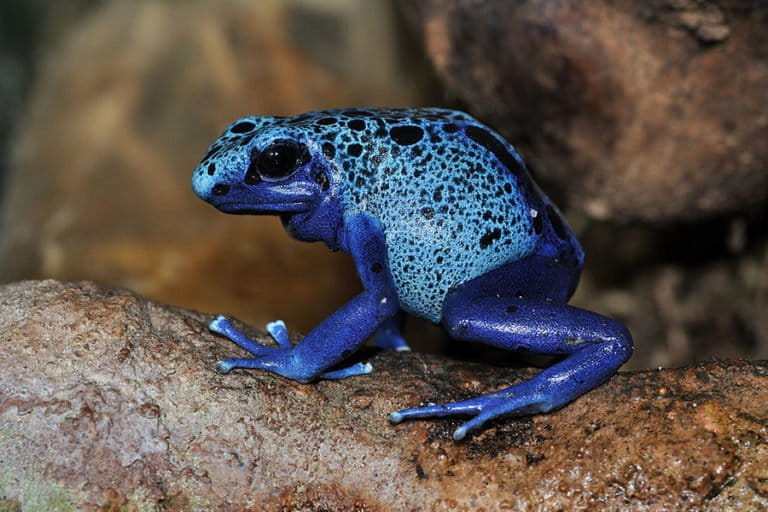
Some of the world's most venomous creatures are surprisingly small, yet possess toxins capable of killing multiple adult humans. Among them, the poison dart frog, despite its striking colors, carries a potent venom. But how do these frogs survive their own toxicity? The secret lies in the fact that poison dart frogs do not produce all of their toxins themselves. The venom originates from their diet, consisting of ants, mites, and other small invertebrates. These toxic substances are then collected and stored within the frog's body, serving as a defense against predators. One notable toxin is batrachotoxin, which targets sodium channels – tiny pores on cell surfaces that regulate the passage of sodium ions, crucial for nerve, muscle, and heart function. Normally, these channels open and close as needed. However, batrachotoxin causes them to remain perpetually open, leading to uncontrolled sodium flow. This disrupts nerve signaling, prevents normal muscle contraction, and can cause the heart to stop beating. To protect themselves from these potent toxins, animals have evolved several strategies: First, they can alter the structure of the body parts that the toxin targets. Small changes resulting from genetic mutations can prevent the toxin from binding to its intended protein. Imagine the toxin as a key and the body's protein as a lock; if the lock's shape changes slightly, the key no longer fits, and the toxin fails to work. This mechanism is found in various poisonous frogs. Second, some animals possess the ability to eliminate toxins from their bodies before they cause damage. This capability is also observed in certain predators of venomous prey. Their bodies can break down, neutralize, or excrete incoming toxins absorbed through their diet. Third, they can store the toxins... This article was originally published on Mongabay

0

Original source

Mongabay Indonesia

原文を読む