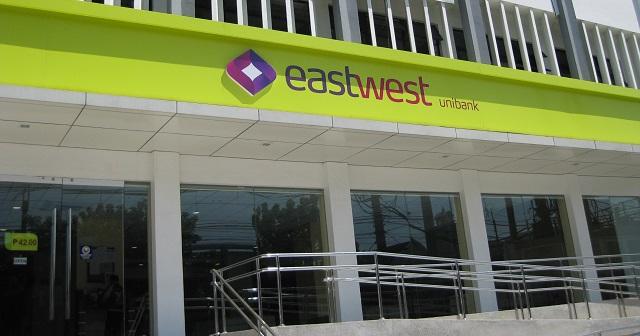
Philippine Banks Waive Interbank Transfer Fees, Boosting Financial Accessibility
Major Philippine banks are increasingly waiving interbank transfer fees for InstaPay and PESONet, following stricter regulations by the Bangko Sentral ng Pilipinas (BSP). This move aims to enhance user convenience and promote financial inclusion.
This article requires PRO
This article is outside the free access window or is a special report. PRO unlocks it and the full archive.
Related articles
- Philippines Pushes for Zero Digital Payment Fees as BSP Enforces New Rules
The Bangko Sentral ng Pilipinas (BSP) has implemented new regulations effective July 4, exempting small merchants from digital payment fees to boost cashless transactions. Inter-bank transfer fees for individuals are also reduced, with many financial institutions offering zero or reduced charges.
- More Philippine Banks Scrap Digital Transfer Fees
Multiple major banks in the Philippines are accelerating their move to waive fees for digital transfer services like InstaPay and PESONet. This initiative aligns with the Bangko Sentral ng Pilipinas' (BSP) promotion of digital payments, offering increased convenience and reduced financial burden to customers.
- Philippine Banks Waive Interbank Transfer Fees Amid BSP Regulations
Major Philippine banks are accelerating the waiver or significant reduction of interbank transfer fees for customers following stricter regulations from the Bangko Sentral ng Pilipinas (BSP). This move is expected to boost digital payment adoption and promote financial inclusion.
- Metrobank Waives Interbank Transfer Fees Following BSP Regulatory Amendments
Metropolitan Bank & Trust Co. (Metrobank) has waived all interbank transfer fees via InstaPay and PESONet, following stricter regulations from the Bangko Sentral ng Pilipinas (BSP). This move aims to enhance customer convenience and promote digital payments.