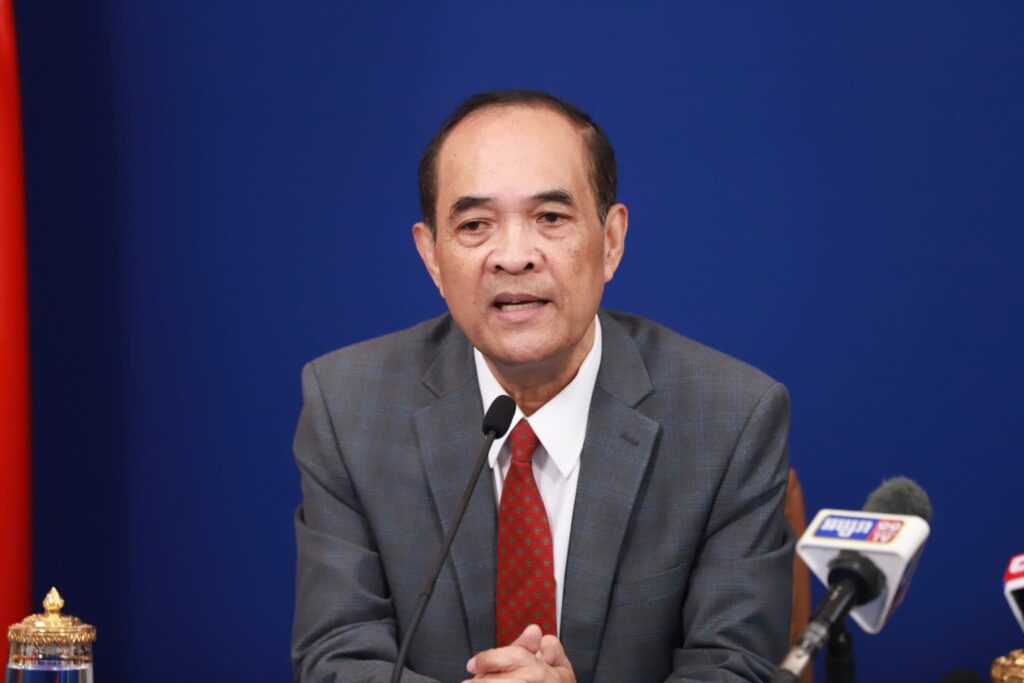
Cambodian Embassy in Japan Rejects Nikkei Asia Opinion Piece on Democracy and Economy
Cambodia's embassy in Japan has refuted an opinion piece in Nikkei Asia by a former opposition politician, calling it an incomplete and unbalanced view of the country's political and economic development. The embassy asserted that democracy persists with functioning institutions and elections, highlighting economic and social progress.
This article requires PRO
This article is outside the free access window or is a special report. PRO unlocks it and the full archive.
Related articles
- Cambodian Embassy in Japan Rejects Nikkei Asia Op-Ed on Democracy
The Royal Embassy of Cambodia in Japan has strongly rejected an opinion piece published by Nikkei Asia regarding democracy, calling it "inaccurate." The embassy argued the piece presented a one-sided view of Cambodia's political landscape, highlighting the nation's constitutional governance and economic development.
- Cambodia Rejects Nikkei Asia's Democracy Commentary, Citing Political Bias
Cambodia has responded to an opinion piece published in Nikkei Asia, titled "Cambodia's democracy has slowly died since the assassination of Kem Ley," through its ambassador to Japan. The ambassador stated the article reflects the author's personal political views and does not accurately represent Cambodia's current reality.
- Cambodia Embassy in Japan Rejects 'Democracy Died' Claim, Cites Progress
The Cambodian Embassy in Japan refuted claims that democracy in the Kingdom has "died," urging an assessment based on peace, economic progress, and institutional development. Regarding China relations, it stated that friendships with one nation do not come at the expense of others.