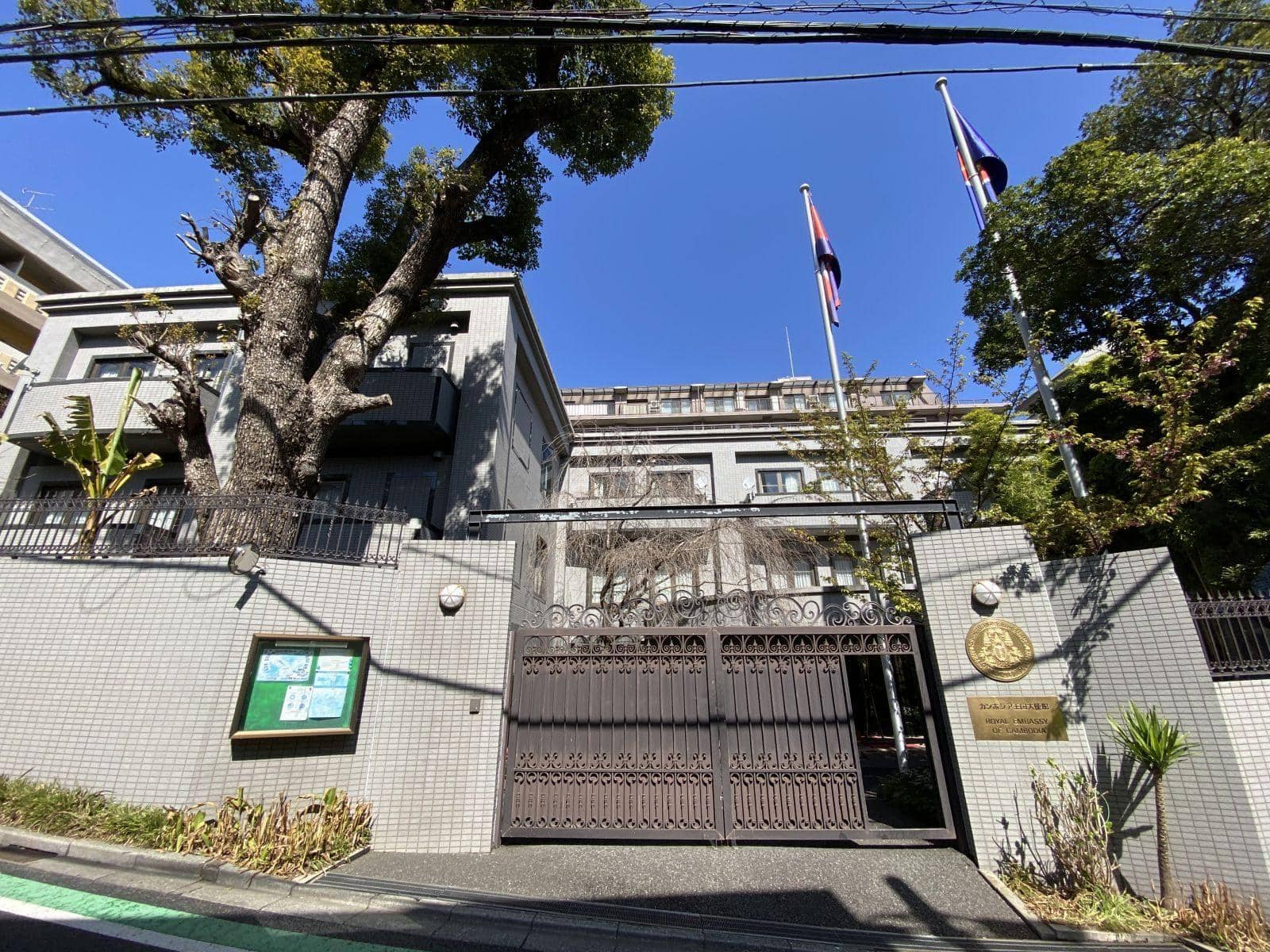
Cambodia Embassy in Japan Rejects 'Democracy Died' Claim, Cites Progress
Diplomacy
2026年7月14日
5
Phnom Penh Post
Relations
🇰🇭Cambodia🇨🇳China🇯🇵Japan

Cambodia Embassy in Japan Rejects 'Democracy Died' Claim, Cites Progress

AI サマリー

The Cambodian Embassy in Japan refuted claims that democracy in the Kingdom has "died," urging an assessment based on peace, economic progress, and institutional development. Regarding China relations, it stated that friendships with one nation do not come at the expense of others.

The Royal Embassy of Cambodia in Japan has rejected claims that democracy in the Kingdom has "died," urging a broader assessment that includes its record of peace, socioeconomic progress, and institutional development. The embassy, in a statement released on July 14, challenged an opinion article by former opposition politician Mu Sochua, published by Nikkei Asia on July 13, which argued that "Cambodia’s democracy died slowly after Kem Ley’s murder." While respecting freedom of expression and the media's role in promoting informed public debate, the embassy stressed the need for balanced and objective analysis of sovereign nations' political and economic development. It characterized Sochua's article as reflecting her personal political views rather than an objective assessment of Cambodia's current realities. The embassy countered that democracy cannot be reasonably measured solely by the political fortunes of one party or individual. It argued that a nation's ability to maintain peace, improve citizen welfare, expand economic opportunities, strengthen public institutions, and ensure long-term national development should also be considered. Cambodia, it stated, operates under its Constitution with functioning state institutions and regular electoral processes, while reforms in governance, public administration, digital government, judicial capacity, and public services are ongoing. The embassy acknowledged that Cambodia faces challenges but affirmed the government's commitment to addressing them through constitutional and legal processes. The response comes a decade after political analyst Kem Ley was shot dead in Phnom Penh on July 10, 2016, an event that continues to feature prominently in debates over Cambodia's political trajectory. Sochua previously served as a lawmaker and vice-president of the now-dissolved Cambodia National Rescue Party. The party was dissolved by the Supreme Court in November 2017, ahead of the 2018 national election, a development that drew sustained criticism from international human rights and democracy groups. However, the embassy stated that political affiliation should neither exempt an individual from legal responsibility nor predetermine the nature of judicial proceedings. Disagreement with court decisions is legitimate but should not be automatically portrayed as evidence that Cambodia's constitutional order or state institutions have ceased to function. The embassy also defended Cambodia's development record, noting significant economic and social transformation over the past two decades. It cited international financial institutions' reports indicating Cambodia was among the world's fastest-growing economies before the COVID-19 pandemic, with millions benefiting from improved living standards, expanded access to education and healthcare, infrastructure, digital connectivity, and social protection. These achievements were attributed to peace, political stability, national reconciliation, and development-oriented policies. Furthermore, the embassy criticized the article's "unnecessarily narrow geopolitical lens" in portraying Cambodia's foreign relations. It asserted that Cambodia maintains constructive relations with countries across Asia, Europe, North America, the Middle East, Africa, and Latin America, pursuing an independent foreign policy based on sovereignty, mutual respect, non-interference, and international cooperation. "Cambodia’s friendship with one nation has never come at the expense of its friendship with others," it declared. The embassy highlighted its relationship with Japan, describing Tokyo as one of the Kingdom's closest and most trusted development partners for over three decades, contributing to Cambodia's peace process, legal and judicial reforms, infrastructure, education, healthcare, demining, human resource development, and economic modernization. While acknowledging that good-faith criticism based on facts can contribute to better governance, the embassy warned that focusing on political confrontation while overlooking measurable development and institutional progress risks presenting an incomplete picture. It concluded by urging international observers to assess the Kingdom through objective evidence, balanced analysis, and direct engagement with Cambodia and its people, stating that a nation of over 17 million people "should not be evaluated solely through the perspective of a small number of political actors." "Cambodia, like all nations, continues to face challenges," the statement said. "It also continues to demonstrate resilience, confidence, and determination in building a peaceful, prosperous, and inclusive future for all its citizens," it added.

多角的分析

経済的影響

カンボジア大使館は、経済成長と国民生活の向上を民主主義の評価基準として提示することで、国内の経済発展の実績を国際社会にアピールしている。これは、経済発展が政治的安定と国民の支持を得るための重要な要素であるという認識に基づいている。特に、COVID-19パンデミック以前の急速な経済成長を強調することで、国際的な投資家や開発パートナーに対し、カンボジアの経済的ポテンシャルと安定性を訴えかける狙いがあると考えられる。しかし、経済成長の恩恵が国民全体に均等に行き渡っているか、また、一部の産業や地域に偏りがないかといった点は、さらなる検証が必要である。

投資家心理

投資家にとって、カンボジア大使館の声明は、政治的安定と経済成長を両立させる国の姿勢を示すものとして映る可能性がある。旧野党の解散や政治的影響力の低下といった国内政治の不確実性は、投資リスクとして認識されがちだが、大使館は経済発展と制度改革を強調することで、投資環境の安定性をアピールしている。特に、日本を重要な開発パートナーとして挙げている点は、日本企業にとって安心材料となりうる。しかし、政治的安定が、経済発展とどのように結びつき、持続可能な投資環境を形成していくのか、そのメカニズムを注視する必要がある。

社会的影響

カンボジア大使館が、民主主義の評価において「平和、経済発展、制度改革」を重視する姿勢は、国民生活の安定と向上を最優先課題とする政府の意向を反映している。旧野党の活動が制限される状況下で、国民の不満や懸念が表面化しにくい状況にある中で、大使館は開発による恩恵を享受する多数派の視点を強調し、一部の政治的アクターの意見のみで国家全体を判断すべきではないと訴えている。これは、国民が政治的権利よりも経済的安定を重視する傾向があるという、カンボジア社会の現状認識に基づいている可能性がある。しかし、政治的自由の制限が、長期的に社会の多様性や市民社会の発展にどのような影響を与えるかについては、懸念が残る。

市民の声

カンボジア市民、特に地方や経済的に恵まれない層にとって、大使館が強調する「平和、経済発展、国民福祉の向上」は、日々の生活に直結する重要な要素である。旧野党の活動が制限され、政治的な議論が国民生活に直接影響を与えにくい状況下では、インフラ整備、教育、医療、社会保障の改善といった具体的な成果は、生活実感として受け止められやすい。しかし、政治的権利や自由が制限されることによる将来への不安や、経済発展の恩恵が一部に偏る可能性に対する懸念も、市民の間には存在する。大使館の声明は、こうした複雑な市民の意識を、経済的安定を重視する側面に集約しようとする意図があると考えられる。

背景・歴史的文脈

カンボジアの民主主義を巡る議論は、2017年の最大野党カンボジア救国党(CNRP)の最高裁判所による解散を機に、国際的な批判が高まった。この決定は、2018年の総選挙における与党・人民党の一党支配を事実上確定させた。政治アナリストのキム・レイ氏が2016年に殺害された事件は、依然として国内の政治的緊張の象徴として語られることがある。ム・ソチュア氏のような元野党指導者は、国外から政権批判を続けており、カンボジア政府はこうした批判に対し、国内の平和と経済発展の実績を反証として提示する傾向がある。特に、中国との関係強化は、カンボジアの外交政策における重要な柱となっており、欧米諸国との関係とのバランスを取る上で、大使館は慎重な説明を試みている。

原文ソース

Phnom Penh Post

原文を読む