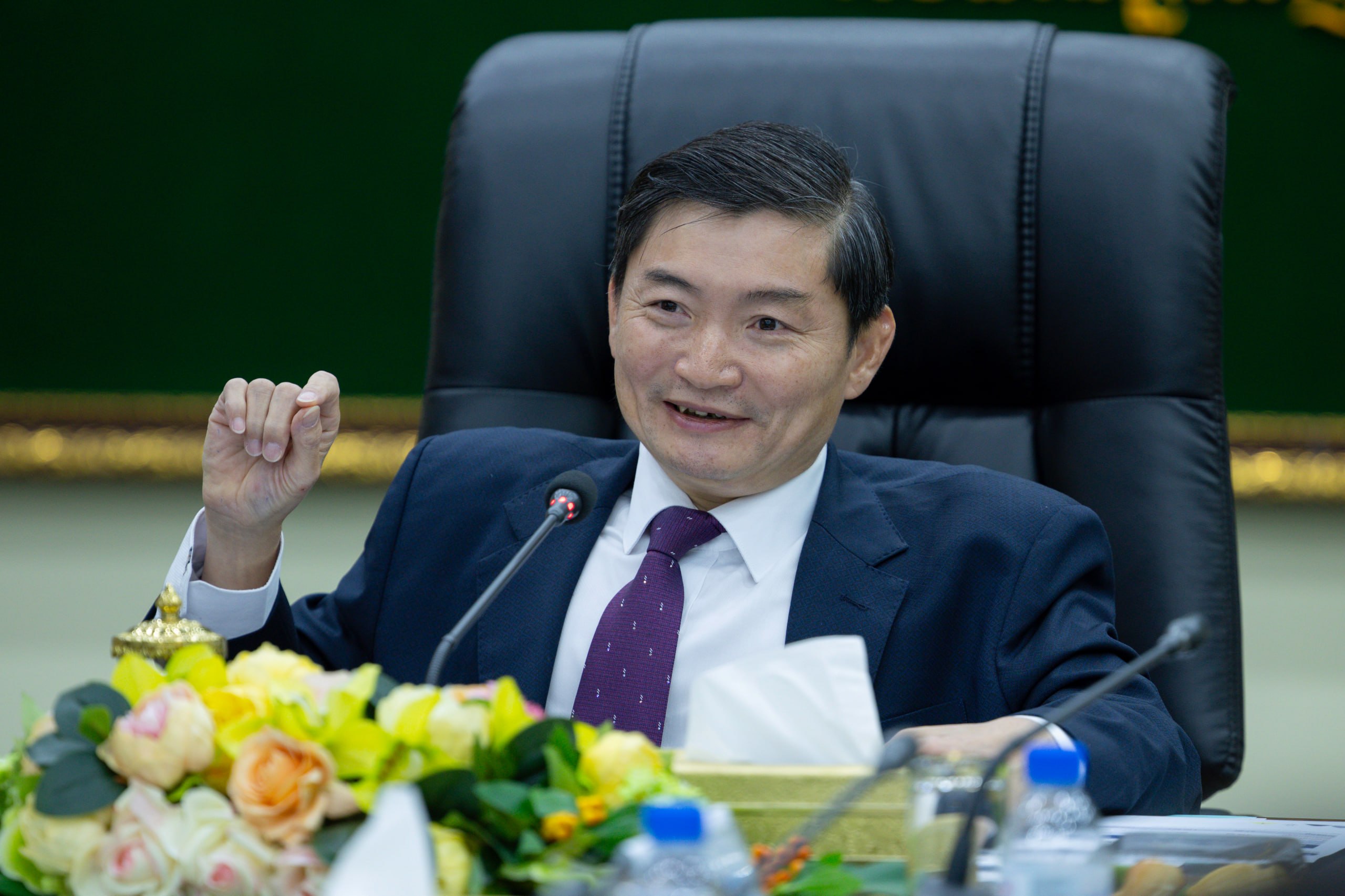
Cambodia Holds Consultation Meeting to Enhance Social Security Healthcare Services
Cambodia's Ministry of Labour and Vocational Training hosted a consultation meeting to improve the efficiency of healthcare service provision and payment mechanisms for the National Social Security Fund (NSSF). The meeting aimed to enhance access to medical services and ensure sustainability for its members, fostering discussion on addressing challenges.
The Ministry of Labour and Vocational Training hosted a consultation meeting on enhancing the efficiency of healthcare service provision and payment mechanisms for the National Social Security Fund (NSSF). The meeting, held on July 3, 2026, in Phnom Penh, brought together over 80 participants from the Ministry of Labour, Ministry of Health, Medical Council, NSSF, the National Social Security Council Secretariat, the Agency for Certifying Expenses, the Social Security Regulator, and partner healthcare facilities. This significant meeting aimed to review the system for providing services, exchange views, and gather input to find solutions to challenges related to the implementation of agreements on healthcare service utilization and provision, as well as to establish appropriate and more effective and sustainable payment mechanisms for NSSF members. This comes at a time when the number of service users at partner hospitals, both public and private, particularly national-level hospitals, is continuously increasing. Minister of Labour and Vocational Training, Heng Sour, who also chairs the NSSF Board of Directors, stated that the government pays high attention to providing NSSF services to its members, covering work injury risks, healthcare, and pensions, making these services increasingly popular and attracting more citizens, especially in the healthcare sector. He added that the government also envisions expanding the coverage of NSSF services sustainably, based on the principles of equity and equality, without relying solely on the national budget. Minister Heng Sour noted that NSSF members currently tend to use services at national-level hospitals with confidence. Concurrently, he highlighted the necessity of jointly seeking methods to encourage NSSF members to utilize services at the local level, such as provincial or district referral hospitals. This approach would help alleviate the burden on national hospitals and generate revenue for local hospitals to enhance their capacity, particularly in specialized equipment, human resources, consultation rooms, and inpatient beds, enabling them to meet the needs of members. Following a presentation by H.E. Khun Channarith, Deputy Director-General of NSSF, on the implementation of agreements, healthcare service utilization, and payment mechanisms between NSSF and partner healthcare facilities, the meeting engaged in a lively discussion, offering significant recommendations to address these challenges in line with the government's considerations. The meeting expressed gratitude to the Ministry of Labour for organizing the event to inform them of the NSSF's status and to support the strategic and far-sighted remarks of H.E. Heng Sour. H.E. Heng Sour expressed his profound gratitude to the attendees and highly valued the fruitful discussions, considering them valuable input for implementation. He encouraged the participants to continue their collaboration to achieve the common goal of maintaining the sustainability of NSSF operations and improving the health of Cambodian citizens.
多角的分析
カンボジア政府は、社会保障基金(NSSF)を通じた医療サービスの提供拡大と効率化に注力しており、これは国民皆保険達成に向けた重要な一歩である。医療費の支払いメカニズムの改善は、医療機関の収益安定化とサービス品質向上に寄与し、長期的に医療インフラへの投資を促進する可能性がある。しかし、国立病院への集中を緩和し地方病院の利用を促す施策は、地方医療のインフラ整備と人材育成が追いつかない場合、期待される効果が得られないリスクも伴う。
NSSFのサービス拡大と効率化は、医療保険市場への信頼を高め、国内外の医療機関からの投資を呼び込む可能性がある。特に、地方病院の能力強化に向けた投資は、新たなビジネスチャンスを生み出すだろう。しかし、支払いメカニズムの遅延や不透明さは、投資家にとってリスク要因となりうるため、政府は迅速かつ透明性のある支払いシステムを確立する必要がある。
NSSFの医療サービスへのアクセス向上は、特に低所得者層や地方住民にとって、経済的負担の軽減と健康維持に直結する。国立病院への集中緩和策は、地方住民の医療へのアクセスを改善する可能性がある一方、地方病院の質が十分でない場合、医療格差が拡大する懸念もある。加盟員の意見を反映し、サービス改善に繋げる姿勢は評価されるべきである。
NSSFの医療サービスがより利用しやすくなり、支払いもスムーズになることは、カンボジア市民、特にNSSFの加入者にとって大きな恩恵となる。国立病院への集中を避け、近隣の地方病院でも質の高い医療を受けられるようになれば、通院の負担が軽減される。しかし、地方病院の設備や医師の質が国立病院と同等でない場合、依然として格差が残る可能性がある。
背景・歴史的文脈
カンボジアでは、社会保障制度の構築が近年急速に進められている。特に、労働災害保険や医療保険をカバーする社会保障基金(NSSF)は、2000年代初頭から導入され、徐々にその対象範囲と給付内容を拡充してきた。しかし、医療インフラの地域差や、医療費支払いシステムにおける課題が指摘されており、国民皆保険の実現に向けて、サービスの質とアクセス性の向上が政府の重要な政策課題となっている。今回の会議は、こうした背景を踏まえ、既存の枠組みを強化し、より多くの国民が質の高い医療サービスを受けられるようにするための具体的な方策を模索するものである。
原文ソース
AKP Khmer