Philippines Weighs Rice Price Cap Extension Amid Slower Inflation
Philippine Agriculture Secretary Francisco Tiu Laurel Jr. is leveraging the second consecutive month of slowing inflation in June to push for a 60-day extension of the P50/kilo price cap on imported rice. President Ferdinand Marcos Jr. is still considering the decision.
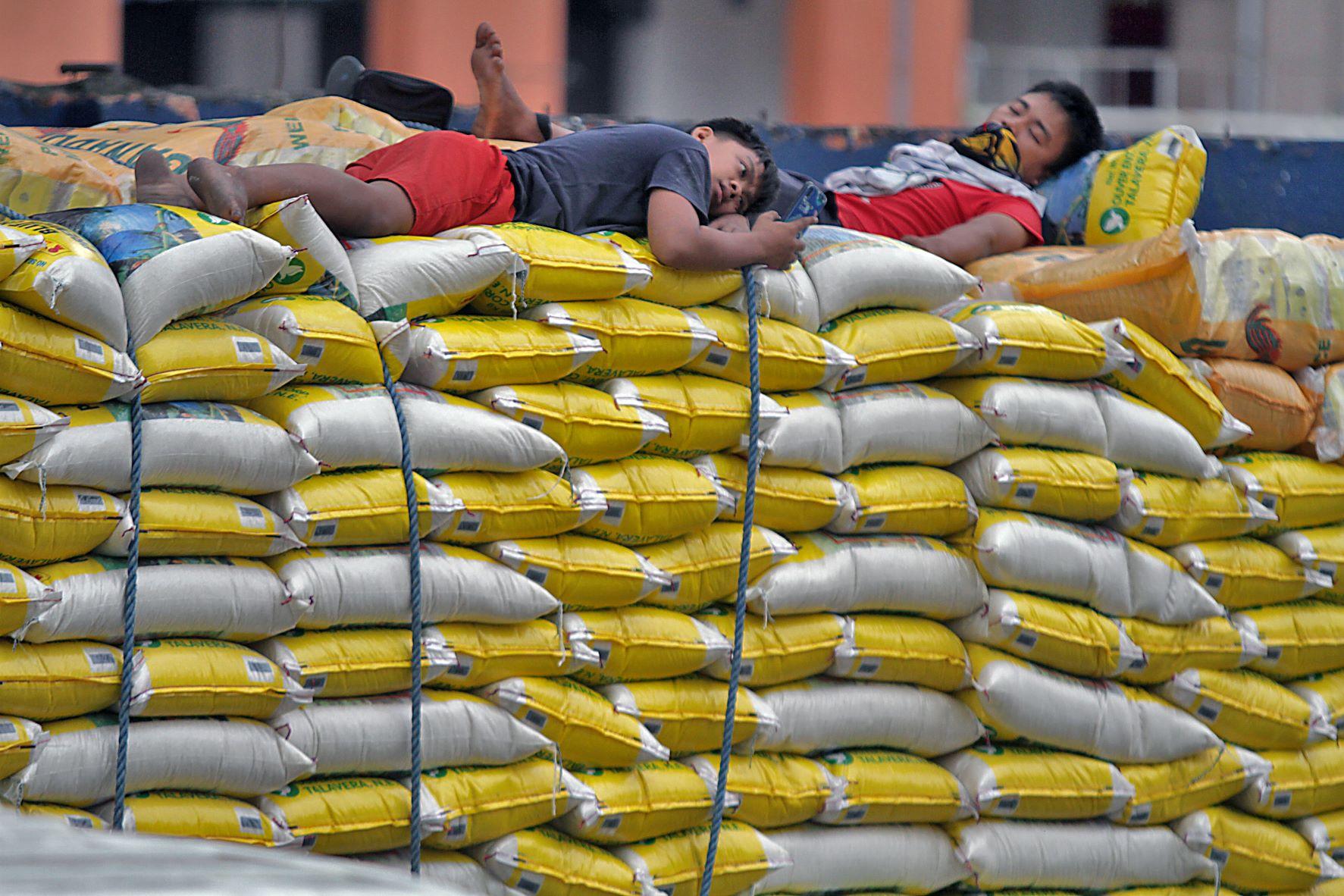
Agriculture Secretary Francisco Tiu Laurel Jr. sees the slowdown in inflation rate for the second consecutive month in June as leverage for his push to implement a fresh 60-day implementation of the P50-per-kilo price cap on imported rice. "The latest inflation numbers show that keeping food affordable delivers real benefits to Filipino families, especially those who spend a large portion of their income on basic necessities," Tiu Laurel said in a statement on Tuesday. Inflation rate slowed down to 6.4% last month from 6.8% in May, as easing tensions in the Middle East tempered increases in fuel and food costs. The slowdown in the Transport index was due to the tempering of gasoline and diesel costs at 39.2% from 51.6% and 39% from 58.5%, respectively. Also contributing to the downtrend was the slower growth in the Food and Non-Alcoholic Beverages index at 5.2% from 5.7%, as prices of meat, cereals, and fish declined to -4.1% from -2.5%, 12.1% from 12.6%, and 7.8% from 8.8%, respectively. Philippine Statistics Authority data also showed food inflation declined to 5.4% from 5.8%, with heavy-weight rice inflation—accounting for 68% of food inflation—easing to 15% from 15.6%. The Agriculture chief said the latest figures reinforce the importance of extending the P50-per-kilo price ceiling for imported rice, alongside measures to maintain sufficient inventories and improve the movement of food from farms to markets. The DA is seeking another round of price cap in imported rice, which already expired early last month, for 60 days to protect consumers from sudden price. Malacañang said President Ferdinand Marcos Jr. is still weighing whether to extend the P50-per-kilo price ceiling on imported rice. "We must continue ensuring adequate supply, efficient distribution, and reasonable prices, particularly for rice, so inflation remains manageable while consumers and farmers alike are protected," said the Agriculture chief. Source: GMA Money Philippines
多角的分析
フィリピン経済において、米は食料品インフレの主要因であり、国民の購買力に直接影響を与える。今回はインフレ率の鈍化が価格上限延長の根拠として挙げられているが、これは政府がインフレ抑制と国民生活の安定化を両立させようとする試みを示している。しかし、価格上限は国内生産者への影響や、市場への供給体制に歪みを生じさせる可能性も孕んでおり、長期的な食料安全保障の観点からの慎重な評価が求められる。
輸入米の価格上限延長は、輸入業者にとっては一定の安定をもたらす可能性がある一方、価格設定の自由度を制限する。国内の米生産者にとっては、輸入米との価格競争が激化するリスクがある。投資家は、この政策が食料品市場全体の安定に寄与するか、あるいは供給網の歪みを通じて新たなリスクを生み出すかを注視する必要がある。また、政府の介入が市場メカニズムに与える影響も考慮すべき点である。
米の価格はフィリピン国民の食生活に不可欠であり、その価格変動は家計に直結する。価格上限は低所得者層の負担軽減に寄与する一方で、供給不足や品質低下を招く懸念もある。政府は、価格抑制と同時に、国内生産者の支援や流通網の効率化といった、より持続可能な食料供給体制の構築に向けた具体的な措置を講じる必要がある。国民は、短期的な価格安定と、長期的な食料へのアクセス確保という二律背反の課題に直面している。
「米は私たちの生活の基盤です。価格が安定するのはありがたいですが、供給が十分にあるのか、品質は大丈夫なのか、いつも心配になります。政府には、私たち庶民が安心して米を買えるように、しっかりとした対策をお願いしたいです。」
背景・歴史的文脈
フィリピンでは、米は主食であり、国民の食料安全保障の根幹をなす。過去、米の価格高騰はしばしばインフレの主要因となり、社会不安を引き起こしてきた。政府はこれまでも、輸入枠の拡大や価格統制といった措置を講じてきたが、国内生産の不安定さや、天候不順、国際市場の変動に影響されやすい構造が、価格安定化の課題となっている。特に、エリート層による土地所有や、小規模農家への支援不足といった構造的な問題が、生産性の向上を妨げているという指摘もある。
原文ソース
GMA Money Philippines