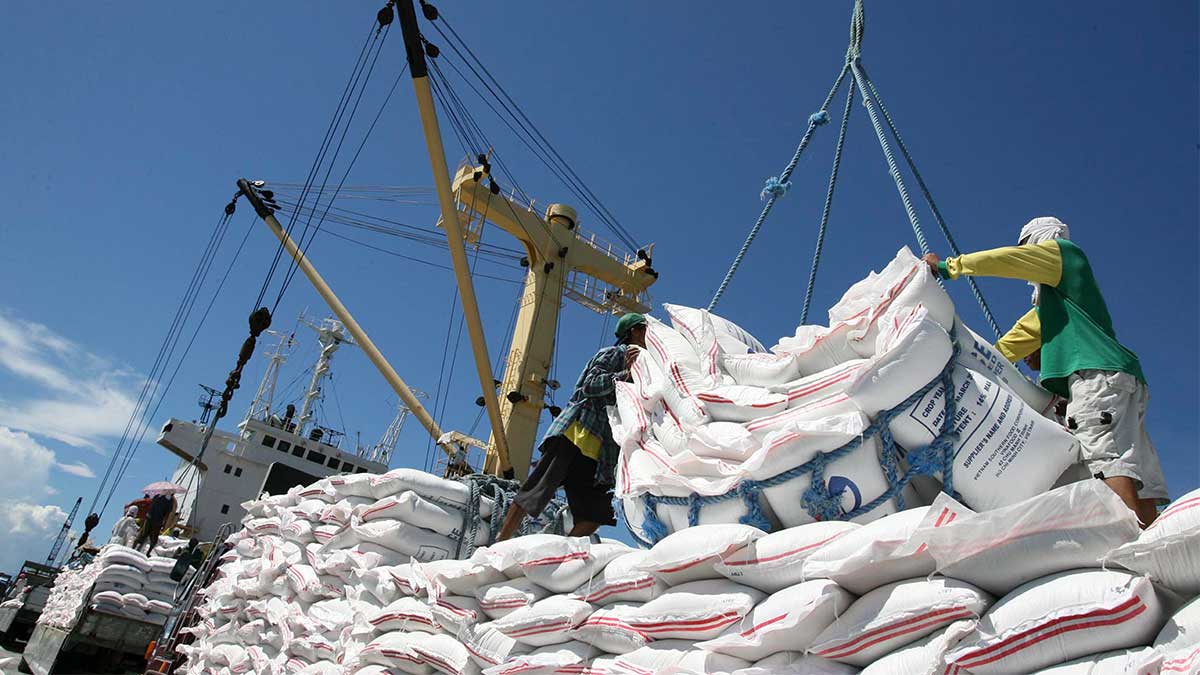
Marcos Jr. Mulls Extending P50/Kilo Price Cap on Imported Rice
The Philippine Presidential Palace is considering extending the P50 per kilo price cap on imported rice for at least another month, factoring in the approaching September harvest season and inflation concerns.
MANILA, Philippines – Extending the government’s P50 per kilo price cap on imported rice at least for another month is still being studied by President Ferdinand Marcos Jr., with the approaching harvest season among the factors being considered, according to Malacañang. Palace press officer Claire Castro said on Wednesday that the Department of Agriculture (DA) informed Malacañang that the National Price Coordinating Council had already submitted its recommendation to the President to extend the price ceiling, which supposedly lapsed last month. The recommendation remains under review by the President for approval as the administration weighs the expected wet season harvest by September. Castro, however, said Marcos’ decision may be out within the day, before he departs for his official visit to Canada this evening. READ: Gov’t imposes 30-day cap of P50/kilo for imported rice On May 13, President Marcos issued Executive Order No. 118, setting a price ceiling of P50 per kilogram on 5-percent broken imported rice nationwide for 30 days. The order aims to curtail “unreasonable price increases” in the Filipino household staple and prevent market abuse amid the adverse impact of the Middle East conflict on prices of essential goods. Asked whether the administration was considering other interventions to help stabilize food prices amid expectations of higher inflation in the second half of the year, Castro cited government efforts to support agricultural production and reduce farmers’ costs. She said Marcos ordered the DA to ensure adequate fertilizer supply despite rising prices linked to the global oil crisis. “The directive is that there should be no shortage of fertilizers for our farmers,” Castro said, recalling the President’s instructions during his visit to Russia. READ: PH rice imports seen rising on strong demand The government, said Castro, is currently distributing fertilizers to farmers during the planting season, which could help lower production costs and eventually reduce the cost of palay at harvest. She also said the government would continue building post-harvest facilities and cold storage facilities to reduce food losses and improve supply management. The country has been increasing rice imports this year to help supplement domestic production, which is expected to decline amid higher input costs and the threat of a severe El Niño. Data from the Bureau of Plant Industry showed that the country’s rice imports from January to May reached 2.31 million metric tons (MT), up 20 percent from the 1.93 million MT recorded in the same period last year. /gsg
多角的分析
輸入米への価格上限設定は、短期的なインフレ抑制には有効だが、農産物市場の歪みを生む可能性がある。価格上限が生産者の収益性を圧迫し、国内生産の意欲を削ぐリスクも指摘される。また、輸入依存度を高めることで、国際市場の価格変動や供給途絶のリスクにフィリピン経済がより脆弱になることも考えられる。政府の肥料供給支援やインフラ投資は、国内生産力強化への布石だが、その効果が現れるまでには時間を要する。
輸入米への価格上限延長は、短期的な消費者物価の安定に貢献する可能性があるため、一部の消費者向けビジネスにとってはプラス材料となり得る。しかし、長期的な視点では、農産物価格の歪みや輸入依存度の高まりは、食料安全保障への懸念を増大させ、関連産業への投資リスクを高める可能性がある。政府のインフラ投資や生産支援策は、将来的な農業セクターへの投資機会を示唆するものの、その実行と効果には不確かな要素も多い。
輸入米の価格上限は、低所得者層にとって主食である米の購入コストを抑える上で直接的な恩恵をもたらす。しかし、この措置が国内農家の収益を圧迫し、将来的な米不足や価格上昇につながる可能性があれば、長期的な食料安全保障の観点から社会的な不安要因となり得る。また、政府が肥料供給やインフラ整備に注力する姿勢は、農村部の生活改善への期待につながるが、その恩恵が農家全体に行き渡るかどうかが問われる。
輸入米のキロ単価50ペソの上限延長は、マニラ首都圏の多くの市民にとって、家計の負担を軽減する朗報となるだろう。特に、日々の食費を切り詰める必要のある家庭にとっては、米の価格が安定することは生活の安定に直結する。しかし、この価格上限が国内農家への不利益となり、将来的に米の供給が不安定になるのではないかという懸念も、一部の市民の間で生じる可能性がある。政府のインフラ整備や農家支援策が、実際に食料価格の安定と供給の確保にどれだけ貢献するのか、市民は注視している。
背景・歴史的文脈
フィリピンでは、米は国民の主食であり、その価格は国民生活に直結するため、政府は常に米の価格安定に注力してきた。過去にも、食料インフレ抑制のために価格上限や輸入規制緩和などの措置が取られてきた。特に、2023年はエルニーニョ現象による干ばつや、世界的な肥料価格の高騰により、国内の米生産が打撃を受ける懸念が高まっていた。こうした背景から、政府は輸入米への依存度を高めつつ、国内生産を支援する政策を並行して実施している。今回の価格上限延長の検討は、こうした複合的な要因が影響している。
原文ソース
Inquirer NewsInfo