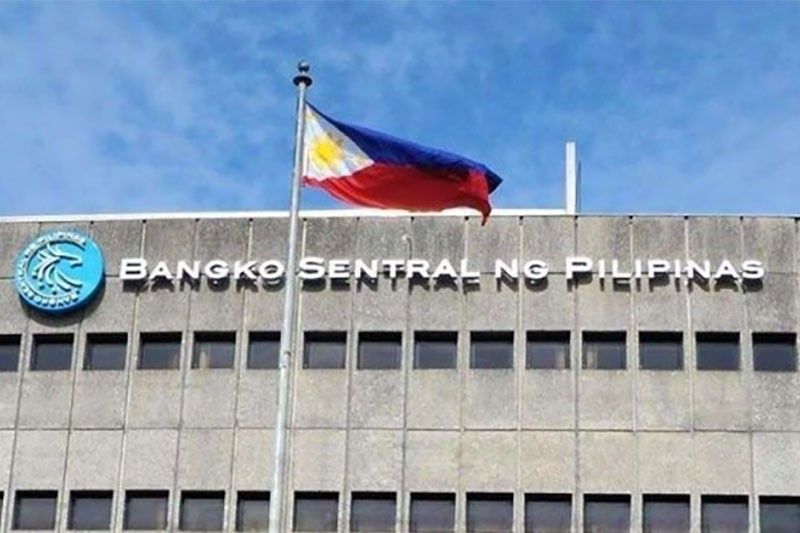
BSP Projects Elevated June Inflation at 6-7%
Economy
2026年7月1日
4
Philstar Business

BSP Projects Elevated June Inflation at 6-7%

AI サマリー

The Bangko Sentral ng Pilipinas (BSP) forecasts June inflation to remain elevated at 6-7%, with higher electricity and vegetable prices offsetting declines in oil and food. The BSP is likely to continue its tightening cycle to curb inflation.

MANILA, Philippines — Inflation is expected to remain elevated at six to seven percent in June as higher electricity and vegetables offset softer oil and food costs, the Bangko Sentral ng Pilipinas (BSP) said. The lower bound of the forecast, if realized, would extend the downtrend from 6.8 percent in May and 7.2 percent in April, after spiking in March when the Middle East war disrupted global fuel supply chains. Meanwhile, the upper end of the June projection may surpass the previous month’s level and remain well above the BSP’s two to four percent target band. It is also expected to be sharply higher than the 1.4 percent inflation posted in June 2025. “The decline of domestic oil prices and the lower prices of major food items, such as rice and meat, may temper inflation for the month,” the BSP said. Local pump prices are sliding back toward pre-war levels, with diesel and gasoline in some Metro Manila stations now below P70 per liter, a sharp drop from nearly P170 per liter at the height of the US-Iran war. “However, higher electricity rates and vegetable prices could partly offset these downward price pressures,” it added. Manila Electric Co. (Meralco) earlier said consumers may see higher power bills in June due to increased generation costs triggered by elevated spot market prices and a weaker peso. The Bangko Sentral ng Pilipinas (BSP) is likely to extend its tightening cycle and raise borrowing costs to 5.50 percent this year to arrest stubbornly high inflation, according to British banking giant HSBC. In a commentary, Desmond Kuang, CIO for Asia at HSBC Private Bank and Premier Wealth, said elevated oil prices and the uptick in rice prices have presented an “inflation challenge” for the Philippines and its central bank. Inflation is projected to accelerate to 6.2 percent in 2026, still above the two to four percent target band, Kuang said. This followed the inflation reading in May, which cooled to 6.8 percent from 7.2 percent from the previous month. “We expect the BSP to engage in modest tightening, hiking interest rates to 5.50 percent in 2026 before eventually reducing them to five percent by end-2027,” he said. In its June meeting, the Monetary Board delivered its second consecutive hike to lift policy rates to 4.75 percent as inflation remained above target and price pressures showed signs of broadening.

多角的分析

経済的影響

フィリピン経済は、インフレの高止まりという構造的な課題に直面している。これは、国際的な原油価格の変動や地政学的リスクの影響を受けやすい輸入依存度の高い経済構造と、国内の電力・食料品供給の不安定さが複合的に作用している結果である。BSPの利上げはインフレ抑制に不可欠だが、同時に経済成長の鈍化リスクも伴う。特に、国民生活に直結する電気料金や食料品価格の上昇は、消費者の購買力を低下させ、内需主導型の経済成長にとって大きな障害となる。

投資家心理

投資家にとって、フィリピンのインフレ高止まりは、不確実性の増大を意味する。中央銀行の継続的な利上げは、借入コストの上昇を通じて企業収益を圧迫し、設備投資や新規事業への意欲を減退させる可能性がある。また、ペソ安は輸入コストを増加させ、インフレをさらに悪化させる要因となり得る。一方で、インフレヘッジとして不動産や一部のコモディティへの投資妙味が増す可能性もあるが、全体としてはリスク回避的な姿勢が強まることが予想される。

社会的影響

インフレの高止まりは、フィリピン国民、特に低所得者層の生活を直撃している。電気料金や野菜価格の上昇は、日々の生活費を圧迫し、食料品の購入量を減らす、あるいはより安価な代替品に切り替えるといった生活防衛策を余儀なくさせる。これは、栄養不足といった健康問題にも繋がりかねない。また、海外からの部品輸入に依存するBPO(ビジネス・プロセス・アウトソーシング)産業など、一部の産業においてもコスト増の要因となり、雇用への影響も懸念される。

市民の声

国民生活への影響は深刻だ。食料品、特に野菜や米の価格上昇は、家計を圧迫する。ガソリン価格の低下は一時的な恩恵をもたらすが、電気料金の上昇は家庭の負担を増やす。これは、特に地方部や低所得者層において、生活水準の維持を困難にしている。政府による物価安定化策の強化と、国民生活への直接的な支援が強く求められている。

背景・歴史的文脈

フィリピンのインフレは、過去にも度々問題となってきた。特に、2018年には食料品価格の高騰によりインフレ率が一時9%を超え、国民生活に大きな影響を与えた。この際、政府は輸入規制の緩和や国内生産の支援策などを講じた。近年では、新型コロナウイルスのパンデミックによるサプライチェーンの混乱や、ウクライナ侵攻による世界的なエネルギー・食料品価格の上昇が、フィリピン経済にさらなるインフレ圧力をもたらしている。今回の電気料金の上昇は、国内の電力供給構造や、国際的なエネルギー市場の動向に起因する側面が大きい。BSPは、インフレ目標の達成と経済成長の維持という二律背反の課題に直面している。

原文ソース

Philstar Business

原文を読む