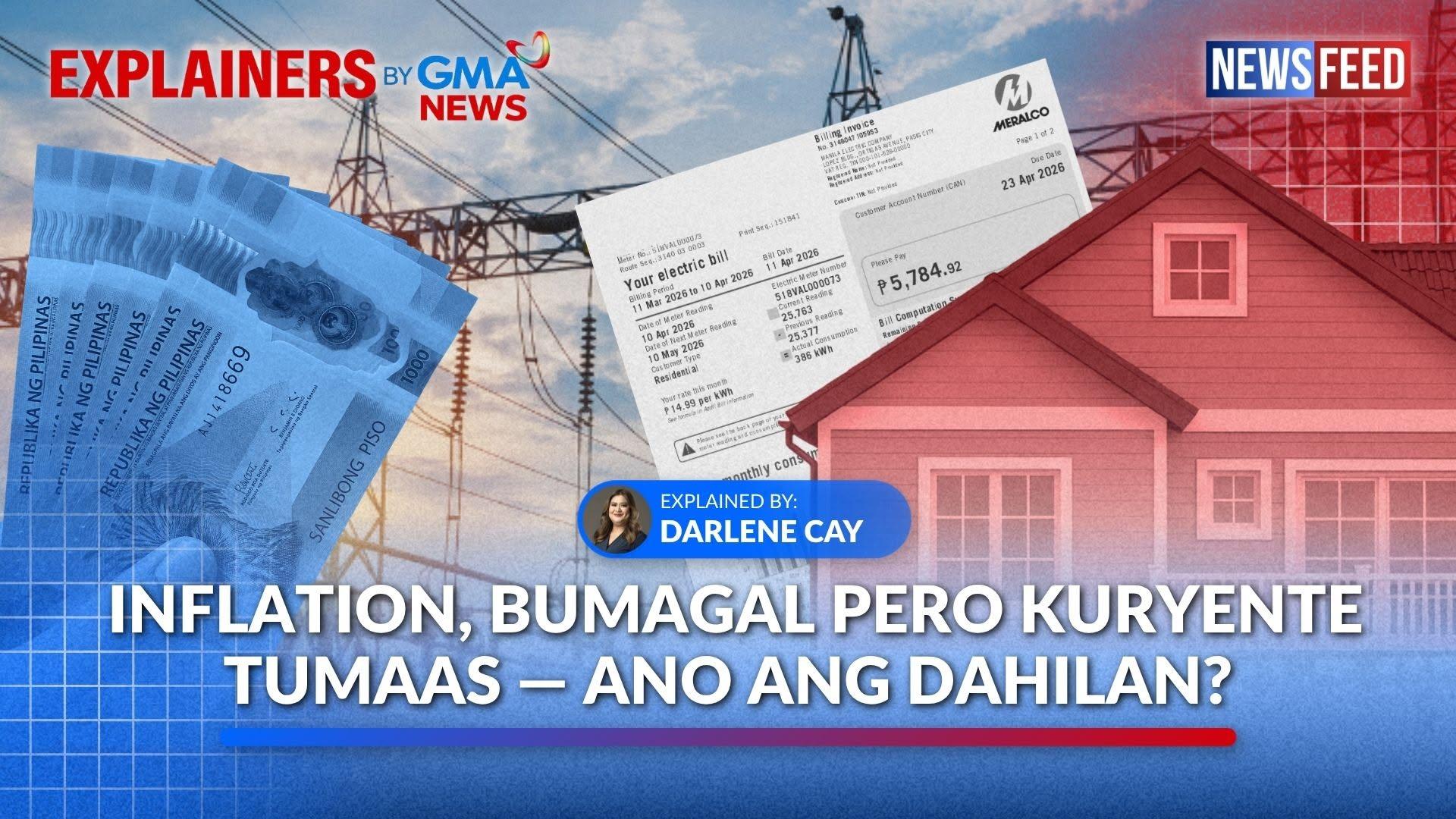
Philippines: Inflation Slows, But Electricity Bills Rise, Squeezing Households
Despite a slowdown in inflation in June, electricity rates in Metro Manila have risen and are expected to increase further in July. This is primarily due to rising power generation costs, contrasting with stabilizing global oil prices.
Headline inflation in the Philippines eased in June, but customers of the Manila Electric Company (Meralco) have been charged more during the month, and are set to pay even more per kilowatt-hour (kWh) in July. The two can happen at the same time, as reported by GMA News' Darlene Cay. Slower inflation Inflation—or the pace at which consumer prices grow—stood at 6.4% in June 2026, down from the 6.8% in May, but higher than the 1.4% in June 2025. (Note: The original article's year reference might be a typo, assuming current year context). While the rate decelerated, this does not mean that prices have gone down, but simply that prices continued to increase but at a slower pace. The Philippine Statistics Authority (PSA) attributed this to the slower increase in transport costs, as global oil prices have started to stabilize as tensions in the Middle East eased. Moving forward, the Bangko Sentral ng Pilipinas (BSP) expects inflation to average 6.4% this year, higher than its 2.0% to 4.0% target range. Electricity rates up Meralco, which provides electricity to Metro Manila, hiked its rates in June to P14.4833 per kWh from P14.3345 per kWh in May. This is set to be increased even further by 34 centavos to P14.8261 per kWh in July. The company attributed the higher rates to an increase in generation charges, which grew by 18 centavos to P9.2504 per kWh from P9.0704 per kWh in June, largely owing to higher fuel prices. Increases were also seen in charges from power supply agreements (PSAs) due to the impact of the persisting Middle East conflict on the global energy market, and in the Wholesale Electricity Spot Market (WESM) as demand in Luzon reached record highs. This is because more than half of the country's electricity supply is generated by coal, natural gas, and oil-based power plants, which use petroleum products such as diesel, fuel oil and biodiesels. The rise in petroleum prices will lead to higher generation charges, the primary reason for the increase in your electricity bill. The generation charge is the cost of the electricity distributors like Meralco purchase from power suppliers, which it passes on to consumers and constitute a sizeable portion of the bill. The WESM, meanwhile, is where extra electricity stores are bought and sold by suppliers, distributors and retailers. On May 28, 2026, Luzon's demand reached a record 14,534 megawatts against a limited supply, entailing additional power purchases from WESM. Overall, the slower inflation and higher electricity rates are not contradictory. Inflation shows how fast prices are increasing, while electricity rates depend on the actual cost of producing and delivering power. — BM, GMA News
多角的分析
フィリピン経済は、インフレ率の鈍化という一見ポジティブな兆候を示していますが、これは主に運輸コストの安定化によるものであり、家計の主要な支出項目である電気料金の上昇は、実質的な購買力を低下させる要因となっています。電力供給の半分以上が化石燃料に依存している構造は、国際的な原油価格の変動に対して脆弱であり、これが発電コストの上昇を通じて電気料金に転嫁されています。中央銀行がインフレ率を目標レンジを上回ると予測していることも、持続的な物価上昇圧力と、それを抑制するための金融政策の難しさを示唆しています。
投資家にとって、フィリピンの電力セクターは、化石燃料への依存度が高いことから、国際的なエネルギー価格の変動リスクに晒されています。Meralcoのような電力会社は、発電コストの上昇を料金に転嫁する能力を持っていますが、これは消費者物価の上昇を通じて需要の減退を招く可能性も否定できません。また、インフレ率の高止まりは、中央銀行による利上げ圧力を高め、企業の資金調達コストを増加させる可能性があります。再生可能エネルギーへの投資や、電力供給の多様化に向けた政策動向が、今後の投資環境を左右する重要な要素となるでしょう。
電気料金の上昇は、フィリピン国内、特にマニラ首都圏の家計に直接的な影響を与えます。低所得者層や中間層にとって、毎月の支出における電気代の割合は大きく、さらなる値上げは生活必需品への支出を圧迫し、消費意欲の減退につながる可能性があります。また、電力供給の安定性への懸念も生じる可能性があります。これは、経済活動全体にも影響を及ぼし、特にBPO産業など電力消費の大きい産業にとっては、運営コストの増加要因となり得ます。
マニラ首都圏の市民にとって、インフレ率が鈍化したというニュースは一時的な安堵をもたらすかもしれませんが、電気料金の上昇は、日々の生活費への直接的な打撃となります。特に、エアコンの使用が増える時期には、電気料金の負担がさらに重くのしかかります。政府には、電気料金の安定化と、国民生活への影響を最小限に抑えるための対策が求められています。再生可能エネルギーへの転換や、電力供給網の効率化などが、長期的な解決策として期待されています。
背景・歴史的文脈
フィリピンの電力料金は、発電コスト、送配電コスト、各種賦課金など複数の要素で構成されています。特に発電コストは、国内の電力供給の約半分を化石燃料(石炭、天然ガス、石油)に依存しているため、国際的な燃料価格の変動に大きく影響されます。過去にも、原油価格の高騰や、エルニーニョ現象による水力発電の低下などが、電気料金の急激な上昇を引き起こし、国民生活を圧迫した事例が複数回あります。また、卸電力スポット市場(WESM)は、電力需要と供給のバランスを取るための市場ですが、需要が供給を上回る際には、高値での購入が発生し、それが料金に反映される構造となっています。中東情勢の不安定化は、こうした燃料価格の変動リスクを増大させる要因となっています。
原文ソース
GMA Money Philippines